


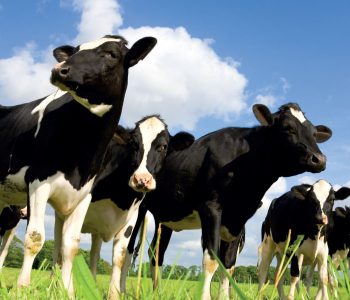
Can high-production dairy be sustainable without pastures?
High-production dairy farms are increasingly seeking ways to combine maximum milk yield with sustainability.
Global per capita consumption of fresh dairy products is expected to increase by
1% annually over the next decade due to rising income levels in countries such as
India, China, and Pakistan.
Although demand in the EU is expected to decline slightly because of demographic changes and the transition toward
sustainable production systems, younger consumers are increasingly prioritizing
environmental sustainability, animal welfare, and healthier dairy products.
Consumer Trends
A significant portion of Western consumers are willing to pay more for products that demonstrate care for the environment, animal welfare, and broader aspects of
social sustainability.
Why Are Pastures Important?
Including fresh pastures in dairy cow diets aligns with the natural behavior of ruminants and helps produce one of the world’s most valuable foods — milk — from inputs that humans cannot consume directly.
Pasture inclusion can positively modify the nutraceutical value of milk, particularly through increases in
CLA and improved omega-3/omega-6 ratios.
| Study | % Pasture | CLA | Omega-3/Omega-6 |
|---|---|---|---|
| Mendoza et al., 2016 | 12% | = | = |
| Mendoza et al., 2016 | 16% | + | + |
| Pastorini et al., 2018 | 29–47% | + | + |
| Pozo et al., 2022 | 40% | + | + |
Pastures and Sustainability
According to recent studies, properly managed pastures may contribute significantly to
carbon sequestration, potentially increasing soil carbon retention by up to
8%.
Public perception of pasture-based dairy production continues to improve, especially among consumers and scientists who value sustainable farming practices.
“Pasture-based dairy farming may only remain viable if it is economically compensated and scientifically optimized.”
How to Include Pastures in High-Production Diets
The combination of pastures with Total Mixed Ration (TMR) diets — known as
Partially Mixed Rations (PMR) — offers the advantages of both systems while minimizing their limitations.
Restricted pasture inclusion can:
- Reduce feeding costs
- Improve milk fatty acid profiles
- Increase omega-3 and CLA content
- Enhance sensory characteristics of butter and cheese
- Create additional market value for dairy products
Key Insight
Positive modifications in milk fatty acid profiles can occur even with relatively low pasture inclusion levels, such as 16%.
What About Methane Emissions?
Traditional literature suggests that forage-based diets emit more methane than high-concentrate diets because fiber fermentation produces more acetate and hydrogen ions in the rumen.
However, recent studies show that dairy cows grazing high-quality alfalfa pastures can emit
similar methane levels to confined cows consuming TMR diets.
Important Takeaway
Management practices that improve ruminant productivity and reduce inefficiencies are among the most effective tools for lowering methane emissions.
Final Considerations
The dairy market is evolving toward systems that prioritize both
sustainability and product quality.
High-quality fresh forages can:
- Reduce production costs
- Improve milk fat composition
- Support soil carbon sequestration
- Maintain methane emissions at levels comparable to TMR systems
In this context, nutritionists play a fundamental role in balancing
environmental sustainability with the
economic performance of dairy farms.
Can high-production dairy truly be sustainable without pastures?
Research increasingly suggests that strategically managed pasture inclusion may be one of the keys to the future of sustainable dairy production.