


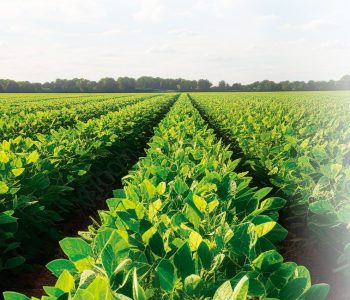
Consistency in soybean meal drives performance and sustainability
In modern livestock production, success is increasingly defined by precision. Feed costs represent the single largest expense for poultry, swine, dairy and aquaculture producers, making ingredient quality and consistency more important than ever. While crude protein levels are often the first specification buyers evaluate, nutritionists and feed formulators understand that the true value of soybean meal goes far beyond a single number. The most valuable soybean meal delivers what industry experts describe as the “perfect nutrient bundle”—a balanced combination of highly digestible amino acids, metabolizable energy, nutrient availability, and, most importantly, consistency from shipment to shipment.
The importance of consistency in animal nutrition
Research and data highlighted by the U.S. Soybean Export Council (USSEC) show that U.S. soybean meal consistently provides measurable nutritional and economic advantages compared with soybean meal from other origins. According to USSEC analysis, soybean meal derived from U.S. Soy can deliver approximately $20 to $25 more value per metric ton due to its superior nutrient consistency, lower damage levels and enhanced feeding performance.
This advantage is not accidental. It is the result of decades of investment in farming innovation, crop management, infrastructure, and sustainability systems across the U.S. soybean industry.
Consistency is one of the most important factors in feed formulation. When soybean meal nutrient levels fluctuate, nutritionists must compensate by adding supplements to diets to ensure animals still receive adequate nutrition. This over-formulation increases feed costs and reduces efficiency.
In contrast, highly consistent soybean meal allows nutritionists to formulate diets more precisely. This precision improves feed conversion ratios, animal growth performance and nutrient utilization while minimizing waste output. Predictable ingredients also reduce operational uncertainty for feed mills and livestock producers.
Beyond crude protein: the complete nutritional bundle
USSEC emphasizes that the value of soybean meal should not be judged solely by crude protein content. Instead, nutritionists increasingly evaluate soybean meal based on four major drivers:
- Whole soybean quality
- Consistency
- Amino acid profile
- Energy content
USSEC has tracked soybean quality across multiple global origins for more than a decade. According to the reporting, U.S. soybean meal shows lower variability and less physical damage than soybean meal produced in many other regions.
Several factors contribute to this consistency advantage. In the United States, soybeans often dry naturally in the field before harvest, reducing the need for intensive mechanical drying that can damage beans. Strong transportation infrastructure, advanced storage systems and careful post-harvest handling also help preserve bean quality from farm to export terminal.
Reduced soybean damage improves amino acid digestibility and promotes more consistent nutritional performance. For producers operating on tight margins, these differences can affect profitability.
Amino acids are especially important because they are the building blocks animals use for muscle development, milk production, egg production and overall growth. Highly digestible amino acids allow animals to utilize nutrients more efficiently, reducing feed waste and improving performance outcomes.
Metabolizable energy is another important part of the equation. Feed ingredients with higher usable energy help livestock and poultry gain more efficiently while using less feed overall. When soybean meal provides consistent amino acid digestibility along with dependable energy values, nutritionists can formulate diets more precisely and keep feed costs under better control.
This nutritional precision is becoming increasingly important as livestock producers worldwide work to improve efficiency while meeting growing consumer demand for sustainable protein production.
Technology at the farm level supports quality
The consistency of U.S. soybean meal begins long before soybeans reach a crushing facility. It starts on the farm.
U.S. soybean farmers increasingly use precision agriculture technologies to optimize crop production while protecting natural resources. These technologies include soil mapping, satellite imagery, GPS-guided equipment, variable-rate fertilizer application, drone monitoring and advanced weather analytics.
Precision agriculture allows farmers to apply inputs such as fertilizer, seed and crop protection products only where they are needed and in the proper amounts.
This approach helps maximize yield potential while reducing environmental impact and preventing unnecessary crop stress that can affect soybean quality.
Advanced monitoring systems also help farmers catch problems early, supporting healthier plants and reducing the risk of crop damage. Along with sound agronomic practices and modern harvesting equipment, these tools help deliver the consistency and reliability associated with U.S. Soy.
Sustainability and consistency go hand in hand
Consistency in feed ingredients does more than improve animal performance—it also contributes to sustainability.
When nutritionists can formulate diets with greater precision, they can reduce nutrient excesses and minimize waste. Lower waste means fewer nutrients excreted into the environment and improved resource efficiency throughout the livestock production system.
This connection between feed efficiency and sustainability is becoming increasingly important as food companies, retailers and consumers demand lower environmental footprints across global protein supply chains.
According to USSEC sustainability resources, U.S. Soy has one of the lowest carbon footprints among major soybean-producing origins. Sustainable farming practices, efficient transportation systems, minimal land-use change and continual improvements in productivity all contribute to this advantage.
The role of the U.S. Soy Sustainability Assurance Protocol (SSAP)
The SSAP is a third-party audited verification developed to document and validate sustainable soybean production practices in the United States. It provides international customers with assurance that soybeans and soy products are produced in compliance with environmental regulations, conservation laws and responsible farming practices.
The protocol covers a broad range of sustainability directives including:
- Biodiversity protection
- High carbon stock
- Production practices
- Public and labor health and welfare
- Continuous improvement
The SSAP has become one of the largest sustainability verification systems in global agriculture. According to recent USSEC reports, the program verified 46.5 million metric tons of U.S. Soy during the 2025 marketing year and has verified more than 278 million metric tons cumulatively since 2014.
Because the protocol is third party audited and recognized throughout the supply chain, international buyers can use SSAP certificates to help meet sustainability reporting requirements and customer sourcing expectations.
Supporting consumer confidence through labeling
As sustainability becomes increasingly important to consumers, food companies are seeking ways to communicate responsible sourcing practices more clearly.
To support this effort, the “Fed with Sustainable U.S. Soy” label allows companies producing soy-fed meat, poultry, dairy, seafood and eggs to demonstrate their commitment to sustainable sourcing. The label indicates that the soy used in feed has been verified through the SSAP system.
The label helps bridge the gap between agricultural sustainability practices and consumer awareness. It also provides brands with a credible way to support environmental commitments and sustainability goals.
USSEC notes that the Sustainable U.S. Soy labels already appear on more than 1,200 product packages globally, demonstrating the growing interest among food companies and retailers in transparent sustainability solutions.
A competitive advantage for the future
As global demand for animal protein continues to rise, feed ingredient consistency and sustainability will become even more critical. Livestock producers face increasing pressure to improve efficiency, reduce environmental impact and maintain profitability in a highly competitive market.
U.S. soybean meal provides a dependable nutritional profile backed by modern farming practices and verified sustainability programs. From precision agriculture tools used in the field to third-party sustainability verification systems, the U.S. Soy industry continues to invest in practices that support both feed performance and environmental stewardship.
For feed manufacturers, nutritionists, livestock producers and food companies, consistency is no longer simply a quality preference—it is a strategic advantage.
What’s nourishing your business?
U.S. Soy has the lowest carbon footprint compared to soy from Brazil and Argentina. That means a more sustainable soybean meal delivering the performance and value you expect: greater consistency, better reliability and a superior nutrient bundle.
For more information about Sustainable U.S. Soy, the SSAP program and “Fed with Sustainable U.S. Soy” label, including citations, visit USSEC.org.