


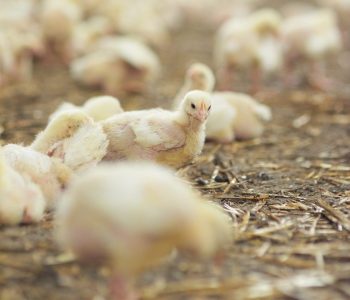
EU poultry legislation tightens focus on health, welfare, and trade
New and existing EU rules continue to define how poultry is produced, moved, and traded across Europe.
Poultry remains one of the European Union’s largest animal production sectors, with annual production exceeding 13 million tonnes and a strong presence in both domestic and international markets. The sector plays a critical role in European food security and agricultural economies, supplying consumers with affordable animal protein while supporting thousands of producers, processors, and allied industries.
To maintain high standards of food safety, animal health, and market integrity, the poultry industry operates under an extensive legislative framework covering market organization, trade, animal health, welfare, transport, food safety, and disease prevention.
As consumer expectations continue to evolve and disease threats remain present, compliance with these regulations is becoming an increasingly important factor in maintaining market access and consumer trust.
Market organization and trade remain central pillars
A central component of the regulatory framework is the European Union’s Common Market Organisation (CMO) for poultry products.
The European Commission states that poultry products fall under the common market organization system, which establishes quality requirements, supports market monitoring, and allows exceptional measures when disease outbreaks or significant market disruptions affect the sector.
These mechanisms help stabilize markets during periods of uncertainty while ensuring transparency throughout the supply chain.
International trade is also tightly regulated. Poultry imported into the European Union must comply with strict animal health and food safety requirements that are designed to maintain equivalent standards between domestic and imported products.
These trade rules are particularly important given the EU’s role as both a major poultry producer and a significant participant in global poultry trade.
Animal Health Law strengthens biosecurity requirements
Animal health legislation represents one of the most important regulatory pillars affecting the poultry sector.
The movement of poultry, day-old chicks, and hatching eggs within the European Union is governed by the Animal Health Law and its associated implementing regulations.
These rules establish requirements for:
- Registration and approval of establishments
- Biosecurity protocols
- Disease surveillance
- Animal traceability
- Movement certification
- Transport requirements
- Hatchery management
The objective is to reduce the risk of disease transmission and improve preparedness against emerging health threats.
Particular attention is given to diseases such as:
- Highly pathogenic avian influenza (HPAI)
- Newcastle disease
- Salmonella infections
- Other notifiable poultry diseases
For producers, compliance with these measures is essential not only for disease prevention but also for maintaining uninterrupted access to domestic and export markets.
Animal welfare remains under increasing scrutiny
Animal welfare continues to be a major focus of EU poultry legislation.
The European Union has established specific requirements for the protection of chickens raised for meat production, commonly referred to as broilers. These rules address factors such as stocking density, environmental conditions, monitoring requirements, and management practices designed to improve welfare outcomes.
In addition to farm-level requirements, broader legislation regulates the welfare of animals during transport and slaughter.
These standards seek to minimize stress and suffering while ensuring that poultry are handled appropriately throughout the production chain.
The European Parliament has also raised concerns regarding the implementation of broiler welfare standards and the need for continued evaluation of welfare outcomes within intensive poultry production systems.
Food safety and antimicrobial resistance concerns
Food safety remains closely linked to animal health and welfare policies.
The European regulatory framework includes extensive monitoring and control measures designed to reduce foodborne pathogens and improve public health outcomes.
At the same time, antimicrobial resistance (AMR) has become an increasingly important area of attention.
European institutions continue to emphasize prudent antimicrobial use in livestock production as part of broader One Health strategies aimed at protecting both animal and human health.
Concerns regarding multidrug-resistant zoonotic pathogens have contributed to increased focus on preventive health management, vaccination, biosecurity, nutrition, and husbandry practices that reduce the need for antimicrobial interventions.
Sustainability and future regulatory developments
Beyond health and welfare, environmental sustainability is becoming increasingly relevant to the future of EU poultry regulation.
European policymakers continue to explore measures aimed at improving resource efficiency, reducing environmental impacts, and supporting climate-related objectives within livestock production systems.
Future legislative discussions may increasingly address topics such as:
- Environmental performance
- Carbon footprint reduction
- Nutrient management
- Sustainable feed sourcing
- Animal welfare improvements
- Supply chain transparency
As these discussions evolve, producers may face additional reporting and compliance requirements alongside opportunities to demonstrate sustainability performance.
Implications for poultry producers
For poultry producers, integrators, hatcheries, and processors, regulatory compliance is no longer simply a legal obligation.
Compliance has become an important component of market access, risk management, brand reputation, and consumer confidence.
Businesses that successfully integrate biosecurity, welfare, food safety, and sustainability practices into their operations are likely to be better positioned to respond to future regulatory changes and market expectations.
Conclusion
The European poultry industry continues to operate under one of the world’s most comprehensive regulatory frameworks.
Animal health, welfare, trade, food safety, and disease prevention remain at the center of EU poultry legislation, while sustainability and antimicrobial resistance are emerging as increasingly important priorities.
As the regulatory landscape continues to evolve, poultry producers will need to remain adaptable, investing in biosecurity, welfare standards, traceability systems, and management practices that support both compliance and long-term competitiveness.