


Valorization of Fruit Processing Wastes as Sustainable Alternative Feed Ingredients in Broiler Nutrition: A Comprehensive Review (2021–2026)
by Dr Faran Hameed, Senior Consultant (Animal Production & Feed Business) and Dr Ahmad Safi, Technical Marketing Manager (SAFA Agrifood Marketing, Singapore)
Introduction
Global food and feed production systems are under unprecedented pressure as the world’s population has crossed 8 billion and is expected to reach roughly 9.7 billion by 2050 (Tignani, 2025). The demand for animal-sourced protein, especially poultry meat and eggs, which are thought to be the most readily available and reasonably priced sources of high-quality protein in both developed and developing countries, has increased as a result of this quick population growth. As a result, the poultry business has grown remarkably during the last few decades, becoming one of the fastest-growing livestock sectors in the world (FAO, 2026). However, the increasing cost and scarcity of traditional feed materials, particularly maize and soybean meal, which together make up the foundation of commercial poultry rations, have seriously hampered this growth trajectory. Feed prices have reached historically high levels due to competition for these ingredients between the livestock industry, biofuel industries, and the human food supply chain. This threatens the economic sustainability of poultry production, especially for smallholder and medium-sized producers in low- and middle-income countries.
The global fruit processing business produces massive amounts of organic waste and by-products every day at the same time as this feed shortage situation. Pomegranates, oranges, bananas, grapes, apples, pineapples, and many other commercially processed fruits produce peels, pomace, seeds, pulp, and stems as post-processing leftovers, which together make about 20–60% of the original fruit weight. Fruit and vegetable waste accounts for a significant fraction of the estimated 1.3 billion tons of food wasted worldwide each year (Gonçalves et al., 2025). These by-products are frequently dumped into open dumpsites, landfills, and waterways in the absence of organized use plans. There are major risks to the environment and public health when fruit waste is dumped carelessly. Methane and carbon dioxide are the main greenhouse gases released during the breakdown of these organic wastes, which greatly contribute to climate change. Aquatic habitats and nearby communities that depend on these water sources are negatively impacted by the leachate produced by decaying fruit waste, which contaminates both surface and groundwater. Additionally, in peri-urban and rural areas, open garbage dumps pose a serious threat to biosecurity and sanitation since they are breeding grounds for dangerous microbes, flies, rodents, and other zoonotic disease vectors.
Ironically, these leftover fruit by-products include a wide range of nutrients, energy substrates, and bioactive substances that make them excellent substitutes for feed in the chicken sector. Fruit peels, pomace, and other processing leftovers are rich in dietary digestible sugars, fiber, polyphenols, flavonoids, carotenoids, organic acids, and vital minerals, as scientific studies have repeatedly shown (Kumaraguruparaswami & Subramani, 2025). When added to poultry diets, these substances have strong antioxidant, antibacterial, anti-inflammatory, and immunostimulatory qualities that go far beyond basic nutritional replacement (Aminullah et al., 2025). Fruit waste-derived feed components offer a particularly attractive and timely answer at a time when the global chicken industry is searching for natural alternatives.
The current article was written in light of the growing population pressure, feed resource insecurity, environmental damage caused by mismanaged fruit waste, and the need for sustainable substitutes for traditional feed ingredients. The nutritional profile, bioactive potential, and usefulness of a few fruit wastes such as pomegranate waste, orange waste, banana by-products, grape pomace, apple pomace, and pineapple waste as substitute feed ingredients in broiler production are all critically assessed in this review. This article attempts to give poultry nutritionists, researchers, and industry stakeholders a consolidated, evidence-based reference that bridges the gap between agro-industrial waste management and sustainable poultry nutrition by synthesizing the most recent experimental evidence from 2021 to 2026. This will ultimately contribute to a more circular, resource-efficient, and economically resilient food production system.
Pomegranate waste
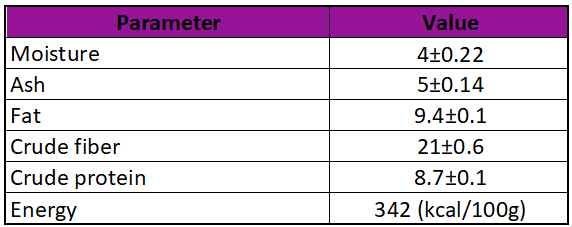
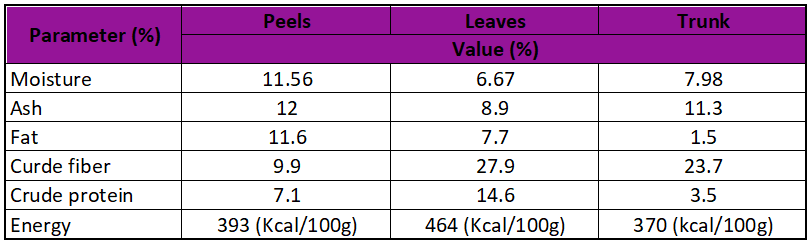
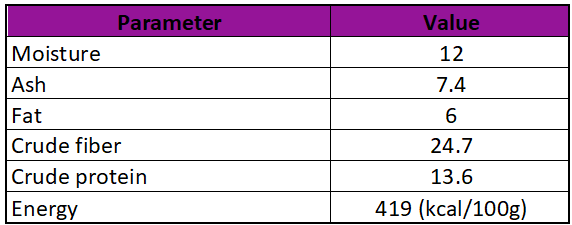
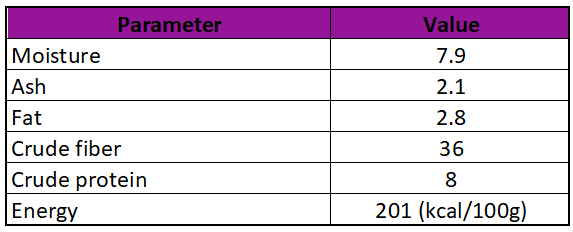
Pomegranate (Punica granatum) is one of the earliest fruits known to man. Pomegranates have medicinal qualities and are regarded as a delicious and nutritious food source. The fruit is a member of the Punicaceae family and is found in many tropical and subtropical regions, particularly in the Mediterranean region. It grows on a shrub or small tree. The pomegranate is grown as a deciduous fruit in the temperate zones. Still, in the tropics it is an evergreen plant. With hundreds of tiny red edible seeds or arils inside, this fruit has a thick scarlet skin on the outside. Global pomegranate production reached approximately 6 million metric tons in 2024 (FAO 2024) Pomegranate trees consist of different anatomical parts, such as fruit, peel, seed, flower, leaves, root, and bark. Pomegranate by-products, such as peels and seeds, consist of 43% and 11% of the whole fruit, respectively, and are discarded as waste (Ko et al., 2021). As 43% counts for the peels, which is close to half of the fruits, in that context, the wastage from the pomegranate fruits in terms of peels will be around 2.58 million tons. The proximate profile of pomegranate peel contains:

(Ghasemi-Sadabadi et al., 2021) supplemented the broiler feed with pomegranate peel waste as an alternative feed resource and concluded that the supplementation of 8% pomegranate peels significantly decreased growth performance of broiler chickens (p < 0.05). The study concluded that 4% pomegranate peels could be used as an alternative feed ingredient and a source of antioxidants in broiler diets, and also 2% waste soybean cooking oil can be included as a feed ingredient without adversely affecting performance. (Ghasemi-Sadabadi et al., 2022) in another research on pomegranate peel stated that replacement of 8% pomegranate peel in diets decreased broiler growth performance, and supplementing 8% pomegranate peel also reduced apparent nutrient digestibility. Broilers fed 4% pomegranate peel had a higher Lactobacillus population, while the 8% inclusion level showed lower villus height and crypt depth in the duodenum, jejunum, and ileum. Inclusion of 4% pomegranate peel decreased the peroxide value of meat, indicating improved meat oxidative stability. Ultimately, 4% pomegranate peel and 4% waste oil could be used as alternative feed ingredients in broiler production. (Hafeez et al., 2023) tested the efficacy of pomegranate peel on broilers challenged with coccidiosis and concluded that inclusion of 3 and 6 kg/ton of pomegranate peel powder demonstrated significant efficacy in alleviating the hindered growth rate induced by coccidial oocysts. These doses also led to a notable reduction in pathological lesions within the cecum and a decrease in oocyst numbers, and additionally restored the cecal morphological features in the broilers. Pomegranate peel thus provides a natural, environmentally friendly, and cost-effective solution for poultry production under a coccidial challenge. (Younis et al., 2025) tested dried pomegranate peel as a functional feed additive. The authors concluded that DPP supplementation significantly reduced body weight, body weight gain, and feed consumption compared to the control group, particularly at 21 and 42 days. Birds fed 2% DPP showed a better feed conversion ratio (FCR), and DPP supplementation significantly increased the relative weights of the eviscerated carcass, liver, heart, gizzard, and spleen while reducing abdominal fat. Blood analysis showed that DPP reduced glucose, cholesterol, HDL, and triglyceride levels. Additionally, DPP reduced the cecal counts of total bacteria, E. coli, and Salmonella. Histological analysis revealed that DPP supplementation improved bursal and ileal structures, enhancing immunity and gut health. (Mostafa & Ameen, 2026) also tested the pomegranate peel as a feed additive in broiler diets and concluded that The inclusion of different concentrations of pomegranate peel in broiler diets demonstrated a beneficial impact on both production performance and blood biochemical indicators. The inclusion level of 0.6% yielded significant enhancements in growth performance metrics, encompassing increases in body weight and average weight gain, a marginal decrease in feed intake, and a favorable adjustment in the feed conversion ratio (FCR). Simultaneously, there was a notable enhancement in blood biochemical parameters, characterized by increased serum protein levels and decreased concentrations of glucose, total cholesterol, as well as reduced activities of AST and ALT.
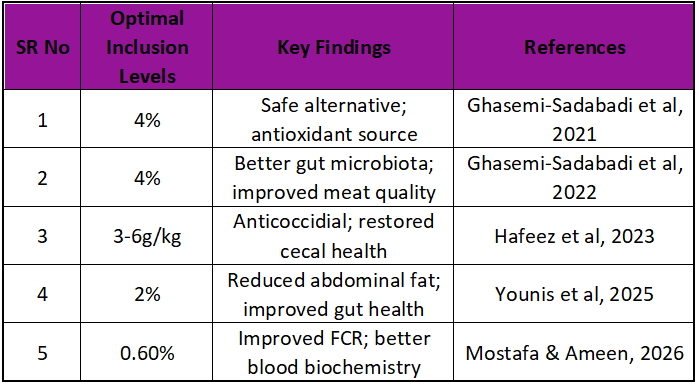

Overall conclusion among above mentioned studies: Pomegranate peel guarantees a functional, cost-effective alternative feed ingredient in broiler diets, especially at moderate inclusion levels (0.6–4%). Higher levels (8%) tend to impair growth performance because of high tannin levels in peels, while lower levels improve gut health, antioxidant status, and metabolic parameters.
Orange peel
The orange tree is a relatively small evergreen, flowering tree, with an average height of 9 to 10 m (30 to 33 ft), although some very old specimens can reach 15 m (49 ft). Its oval leaves, which are alternately arranged, are 4 to 10 cm (1.6 to 3.9 in) long and have crenulate margins. Like all other citrus fruits, the sweet orange is non-climacteric, not ripening off the tree. The global production of oranges is ~46 million metric tons, and the peel-to-fruit ratio ranges from 35-40%.
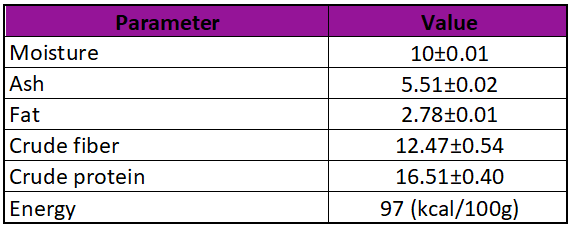

(Abd El Latif et al., 2023) studied the effect of dietary orange peel meal and found that orange peel meal (OPM) at 0, 80, 160, and 240 g/kg of diet, with or without multi-enzyme (xylanase, β-glucanase, α-amylase, cellulose, protease) supplementation, on 240 one-day-old Arbor Acres broiler chicks. Orange peel meal improved body weight gain and the feed conversion ratio (FCR) during the grower phase, improved antioxidant capacity, and decreased abdominal fat. Multi-enzyme addition further improved body weight gain and FCR during the grower phase, improved crude fiber digestibility, elevated T3 levels, and decreased the fat percentage. An interaction effect was observed only for superoxide dismutase (SOD) levels, where enzyme addition caused a decrease in SOD activity. (Abu Al-Makarem et al., 2025) studied dried orange peel powder and concluded that the DOP supplementation significantly reduced live body weight, body weight gain, and feed consumption during the starter period while improving the feed conversion ratio (FCR). Broiler chicks receiving 2% DOP showed the greatest improvement in FCR, along with a significant increase in dressing carcass percentage and a reduction in abdominal fat. Supplementation with 2% DOP greatly decreased Salmonella and E. coli populations in cecal content, while 1% DOP decreased total bacterial counts. DOP supplementation lowered serum cholesterol, HDL, and triglyceride levels and boosted humoral immunity. The study concluded that while DOP negatively affected growth performance to some extent, it enhanced carcass quality, suppressed pathogenic bacteria, and improved the overall health status of broilers. (Oboh et al., 2025) tested the effect of orange peels and found that Orange peel inclusion significantly improved meat quality in terms of reduced percentage water loss. All broiler feed enriched with citrus peel showed lower thiobarbituric acid reactive substances (TBARS) values compared to the control group, indicating reduced lipid oxidation. Notably, the 10% inclusion group showed the lowest TBARS values, demonstrating the strongest antioxidant protection in the meat. Antioxidant enzyme activities in breast, drumstick, and thigh meat were significantly improved (p < 0.05) at the 2.5%, 5%, 7.5%, and 10% inclusion levels. (Ogunlade et al., 2025) checked the incremental dietary supplementation of sweet orange peel meal and discovered that body weight gain, feed intake, FCR, and carcass traits were not significantly affected. Serum protein levels were significantly improved. Dietary SOPM significantly increased HDL and decreased serum cholesterol, triglycerides, LDL, uric acid, AST, and ALT levels. SOPM improved electrolyte balance (potassium, sodium, chloride, magnesium, and total CO₂). Antioxidant markers — superoxide dismutase, glutathione, catalase, vitamin C, and vitamin E — were significantly elevated, with a notable decrease in malondialdehyde concentration. The levels of immunoglobulins A, Y, and M were significantly enhanced in SOPM-supplemented birds, suggesting improved humoral immunity. (Goliomytis et al., 2025) checked valorization of fermented orange pulp as a sustainable feed ingredient and concluded that growth performance and most carcass characteristics were not significantly affected by OP supplementation. However, fermentation significantly reduced malondialdehyde (MDA) levels in breast meat during storage compared to groups fed non-fermented OP, indicating improved oxidative stability. The study concluded that these results support the inclusion of orange pulp, particularly in fermented form, as a sustainable feedstuff that enhances meat quality and lipid profile without impairing broiler growth, contributing to circular economy principles in poultry production.
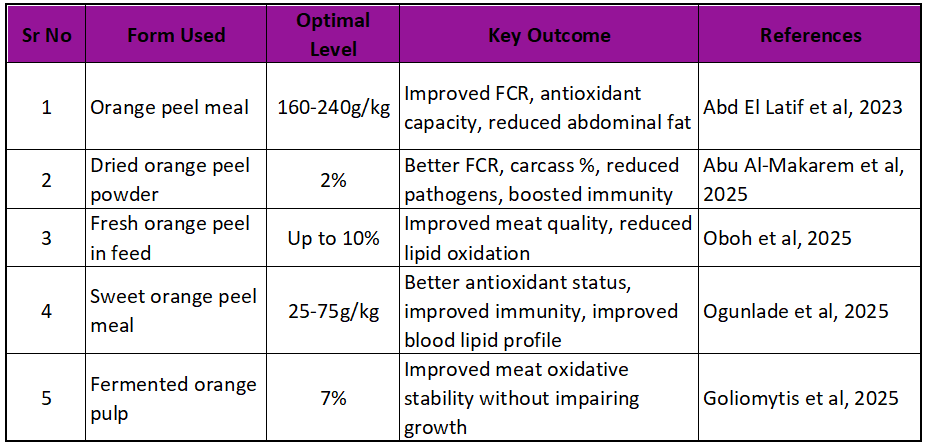

Overall conclusion: Across all five studies, orange peel — whether as dried powder, meal, or fermented pulp — consistently demonstrates value as a functional, sustainable alternative feed ingredient in broiler diets. Its primary benefits are improved antioxidant status, meat quality, lipid profile, and immunity, with minimal or no adverse effects on growth performance at moderate inclusion levels.
Banana tree waste
A banana is an elongated, edible fruit that is botanically a berry produced by several kinds of large treelike herbaceous flowering plants in the genus Musa. The banana plant is the largest herbaceous flowering plant. All the above-ground parts of a banana plant grow from a structure called a corm. Plants are normally tall and fairly sturdy with a tree-like appearance, but what appears to be a trunk is actually a pseudostem composed of multiple leaf-stalks (petioles). Bananas grow in a wide variety of soils, as long as it is at least 60 centimetres (2.0 ft) deep, have good drainage, and is not compacted. They are fast-growing plants, with a growth rate of up to 1.6 metres (5.2 ft) per day. In 2024, the world’s banana production reached 125 million metric tons (Banana C., 2024). As a banana tree fruits only once, and afterwards it dies, so after fruiting whole tree counts as waste.

(Rahmawati et al., 2023) studied the effect of unripe banana flour as a functional feed ingredient and concluded that dietary inclusion of 5% unripe banana flour (UBF) with or without probiotic and multi-enzyme supplementation significantly improved the feed conversion ratio (FCR) compared to the control, without negatively affecting body weight, body weight gain, feed intake, or carcass characteristics. A notable effect was observed in the yellowness (b*) values of thigh meat, where the probiotic-supplemented UBF group had lower b* values than the control. UBF also showed prebiotic activity capable of supporting the growth of beneficial probiotic bacteria (Lactobacillus casei), suggesting its functional value as a prebiotic ingredient in post-antibiotic broiler nutrition. (Sugiharto, 2023) reviews different fruits and states that banana peel was highlighted among fruit peels with significant potential as an alternative energy source feed ingredient in broiler diets, owing to its high nutritional content. The review confirmed that fruit peels — including banana peel — can serve as antibacterial, antioxidant, and immune-enhancing feed additives in broiler production, addressing the dual challenges of rising conventional feed costs and the ban on antibiotic growth promoters. Banana peel constitutes approximately 33.81 g peel per 100 g of fresh fruit weight, making it among the most abundant fruit peel by-products suitable for incorporation into broiler feed. (Saeed et al., 2025) studied fermented banana feed and nanoparticles and stated that the banana plant (Musa spp.), including its peel, leaves, and pseudostem, was found to be rich in carbohydrates, fiber, and bioactive compounds with antibacterial, antioxidant, anti-cholesterol, immunostimulant, and anti-inflammatory properties. Fermentation significantly improved the nutritional quality of banana plant biomass by increasing digestibility, reducing anti-nutritional factors, and enriching it with probiotics and bioactive compounds. Results from experimental studies compiled in this review showed improved feed conversion efficiency, growth performance, and gut health in poultry fed fermented banana plant-based diets. Banana meal can be incorporated into broiler diets at a maximum of 10% without negatively impacting productivity. Levels above 20–30% may reduce performance due to elevated fiber and tannin content. (Abdulfattah et al., 2025) studied synergistic effect of turmeric, banana peel, and onion extract on broiler performance and concluded that the banana peel extract group and its combinations improved body weight gain throughout the experimental phase. The bioactive compounds in the peel extracts — including phenolic compounds and flavonoids — were found to enhance antioxidant activity, immune responses, and feed efficiency, reducing oxidative stress and increasing resistance to pathogenic bacteria. Supplementation also improved meat protein content, water-holding capacity, and reduced total lipid content and microbial loads in the broiler offal, demonstrating beneficial effects on both meat quality and food safety. (Saleem et al., 2025) checked potential of banana peel extract and concluded that the dietary supplementation with 4% banana peel powder modulated the expression of both immune-related genes (IL-6 and MHC class IIβ), improved gut morphology, and significantly enhanced growth performance and feed conversion ratio against the Salmonella Gallinarum challenge. The study concluded that 4% banana peel extract powder represents a promising, natural antibiotic alternative for managing fowl typhoid in broiler production.
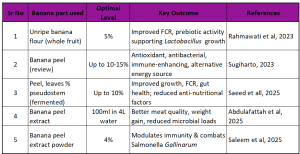

Overall conclusion: Banana peel, leaves, and pseudostem waste consistently show promise across all five studies as sustainable, cost-effective, and multifunctional alternative feed ingredients in broiler diets. Their primary strengths are as prebiotic/probiotic supports, natural antioxidants, antibiotic alternatives, and energy sources. Fermentation of banana biomass further enhances its digestibility and nutritional value, with safe inclusion levels generally up to 10–15%.
Grape pomace
A grape is a fruit, botanically a berry, of the deciduous woody vines of the flowering plant genus Vitis. Grapes are a non-climacteric type of fruit, generally occurring in clusters. Grapes are a type of berry fruit that grow in clusters of 15 to 300. The berries appear within a 60-day period after fertilization first producing tartaric acid, then later malic acid when their flesh increases in reaction to the hormone of ethylene; these acids give slight sour tastes to the berries other than their sweetness. When these young berries reach a ripening stage (called véraison from the French language), the berries change to darker colours, increase in size and produce sugars. The grapes production in the world in 2024 was 77.7 million metric tons (Global grape balance sheet 2024). The ratio from grapes to grape pomace ranges from 20-25%.

(Erinle et al., 2022) experimented on dietary grape pomace and found that dietary inclusion of GP at 2.5% had beneficial effects on growth performance during the starter phase; however, effects were not maintained through to the finisher phase. GP inclusion improved cecal short-chain fatty acid (SCFA) concentrations, a key indicator of gut health, and positively modulated intestinal morphology. The study was the first to evaluate the effect of dietary GP on the incidence of white striping and wooden breast myopathies in broilers, providing new data on this important meat quality concern. The results demonstrated that GP at 2.5% could serve as a cost-efficient antibiotic alternative, particularly for improving early-phase gut health and intestinal microbiota composition. (Haščík et al., 2023) tested dietary alibernet red grape pomace and found that the ARGP supplementation influenced the essential amino acid (AA) and fatty acid (FA) composition of both breast and thigh meat. The results demonstrated that dietary ARGP altered the nutritional profile of broiler meat, with modifications in key essential AAs including leucine and lysine, as well as non-essential AAs such as aspartic and glutamic acid. The fatty acid composition was also influenced, indicating that grape pomace inclusion can be a useful tool for functionally enriching the nutritional quality of broiler meat. (Madkour et al., 2024) checked in ovo feeding impact of grape pomace extract and found that In ovo injection of GPE, particularly at a dose of 4 mg, produced significant enhancements in growth performance from hatch through to market age. Immune response was markedly improved in the GPE groups, evidenced by increased IgM and IgG levels. Antioxidant status was significantly enhanced through increased total antioxidant capacity and reduced malondialdehyde (MDA) concentration. These positive effects persisted until market age, demonstrating that administering grape pomace extract to developing broiler embryos via in ovo feeding is a valuable strategy for improving post-hatch productive performance, antioxidant status, and immunological capacity. (Sharma et al., 2025) supplemented dietary grape pomace and found that 0.5% or 0.75% GP inclusion significantly improved intestinal histomorphology in all three sections of the small intestine during both the acute and recovery phases of coccidial infection (p < 0.05). At day 20, 0.75% GP tended to maintain IL-1β at non-challenged control levels and downregulated IL-10 expression. During the recovery phase, GP inclusion downregulated Keap1 expression and upregulated CAT activity, helping maintain cellular antioxidant defense. GP’s bioactive compounds — including tannins, gallic acid, catechins, epicatechin, and anthocyanins — were proposed as the mechanism by which coccidial intestinal damage was limited, suggesting GP as a promising natural anticoccidial and gut-protective feed additive. (Mauro et al., 2026) supplemented red grape pomace and grape seed flour in broiler diet and found that the combination diet of 3% pomace meal + 3% seed meal yielded the most significant improvements. This combined treatment increased the total phenolic content and polyunsaturated fatty acid (PUFA) levels in the meat, and enhanced both antioxidant and radical scavenging activity (as measured by DPPH and ABTS assays). The study concluded that the synergistic inclusion of winery by-products — particularly grape pomace and grape seed in combination — is an effective strategy for functionally enriching chicken meat quality while simultaneously supporting a circular economy model for agro-industrial waste valorization.
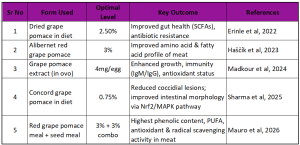

Overall conclusion: Grape pomace consistently demonstrates strong value as a functional, sustainable alternative feed ingredient in broiler production. Its primary benefits span gut health protection, antibiotic replacement, improved antioxidant and immune status, meat quality enrichment, and anti-coccidial properties. Optimal dietary inclusion rates generally fall in the 0.75–3% range, with fermented grape pomace and combined winery by-product strategies offering additional benefits.
Apple pomace
An apple is the round, edible fruit of an apple tree (Malus spp.). Fruit trees of the orchard or domestic apple (Malus domestica), the most widely grown in the genus, are cultivated worldwide. he apple tree is deciduous, generally standing from 2 to 4.5 metres (6 to 15 feet) tall in cultivation and up to 15 m (49 ft) in the wild, though more typically 2 to 10 m (6.5 to 33 ft). The total apple production in 2025 was 86 million tonnes (Haq, 2025). When processing apples for juice or cider, apple pomace (the leftover skins, seeds, and pulp) accounts for 25% to 30% of the initial fruit mass. For every 100 kg of whole apples pressed, you will yield about 25 kg to 30 kg of wet pomace and 70 kg to 75 kg of pure juice.

(Jackson, Shukla, et al., 2022) supplemented apple juice, pomace, and pulp to broilers and found that apple pomace (APo) and pulp (APu) soluble extracts significantly improved villi surface area compared to the non-injected and water control groups. The highest count of Paneth cells per crypt was observed in the APo group compared to all other groups, indicating enhanced intestinal innate immunity. The intra-amniotic administration of apple pomace and juice extracts also reduced the gene expression of DcytB reductase, suggesting an improvement in iron bioavailability into the enterocyte. The apple pomace extract also positively modulated cecal bacterial populations, supporting the growth of beneficial bacteria, demonstrating significant potential as a sustainable and functional feed ingredient derived from apple juice processing waste. (Sosnówka-Czajka et al., 2023) supplemented dried apple pomace and concluded that the addition of 3% dried apple pomace did not adversely affect body weight, body weight gain, or feed conversion ratio, with no significant differences between groups (p > 0.05). Notably, the leg muscles of AP broiler chickens showed significantly less drip loss compared to the control group (p = 0.036), indicating improved meat water-holding capacity. For all other quality parameters of breast and leg muscles, no differences were noted. The study concluded that 3% dried apple pomace can be safely included in broiler diets without negatively affecting production results or meat quality, while also improving leg muscle drip loss — a key meat quality indicator. (Jackson, Agarwal, et al., 2022) used apple pomace soluble extracts and found that APSE significantly improved villi surface area and goblet cell number compared to controls, indicating enhanced absorptive capacity and intestinal mucus protection. Expression of brush border membrane metabolism and functional proteins varied between treatment groups, demonstrating that apple pomace bioactives modulate key intestinal transport and metabolic functions. Blood glucose, pectoral glycogen, and cecal bacterial population analyses further confirmed that APSE positively modulated the gut microbiome composition post-hatch, supporting its potential as a prebiotic-like functional ingredient in early broiler nutrition derived from apple processing waste. (Buglione et al., 2024) checked degraded apple pomace effect on broilers. The study fed broiler chickens (Gallus gallus) with a supplemented diet (SD) containing 3% pleurotin — the residual material remaining after the biodegradation of apple pomace by the Pleurotus ostreatus fungus — compared to a control diet (CD) over 48 days. Final live weight (FLW) was on average 7.6% significantly higher in the SD group than the CD group. Total average daily gain (ADG) was 7.4% significantly higher in the SD group, while feed conversion ratio (FCR) was 32.0% lower in the SD group than in the CD group, indicating dramatically improved feed efficiency. No significant differences were found in any meat quality parameters measured (for the same cut). The authors concluded that the improvements in ADG, FLW, and FCR favor the use of apple pomace-derived pleurotin in chicken rearing, and that its inclusion promotes a circular bioeconomic mechanism by valorizing apple juice by-products. (Colombino et al., 2020) tested dried apple pomace on broiler and found that apple pomace, increased the weight of the ileum and cecum and ileum digesta viscosity (p < 0.05). Small intestinal short-chain fatty acid (SCFA) concentration was significantly higher in fruit pomace diets (p < 0.05), and cecal bacterial alpha-glucosidase activity and ammonia concentration were also favorably modified. All fruit pomaces — including apple — improved the redox status in liver, breast, and blood. No differences were found between 3% and 6% inclusion levels for antioxidant outcomes. The study concluded that 3% dietary apple pomace inclusion is preferable, as higher fiber levels can impair nutrient digestibility in poultry.
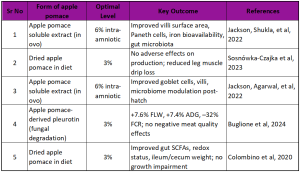

Overall conclusion: Apple pomace — whether fed as dried meal, administered via in ovo injection, or used as a fermented/fungal-degraded substrate — consistently shows meaningful functional benefits in broiler production. Its primary strengths lie in improving intestinal morphology, supporting beneficial gut microbiota, enhancing antioxidant and redox status, and improving feed efficiency, particularly at moderate inclusion levels of 3–6%. These findings collectively support apple pomace as a sustainable, circular-economy-aligned alternative feed ingredient for the broiler industry.
Pineapple waste
The pineapple (Ananas comosus) is a tropical plant with an edible fruit; it is the most economically significant plant in the family Bromeliaceae. The pineapple is a herbaceous perennial, which grows to 1 to 1.5 m (3+1⁄2 to 5 ft) tall on average, although sometimes it can be taller. The plant has a short, stocky stem with tough, waxy leaves. When creating its fruit, it usually produces up to 200 flowers, although some large-fruited cultivars can exceed this. Once it flowers, the individual fruits of the flowers join together to create a multiple fruit. After the first fruit is produced, side shoots (called ‘suckers’ by commercial growers) are produced in the leaf axils of the main stem. These suckers may be removed for propagation, or left to produce additional fruits on the original plant. In 2023, global pineapple production reached approximately 29 million tons (Motta et al., 2025). By weight, only about 30% to 50% of a raw whole pineapple is edible flesh, meaning 50% to 70% is discarded as waste (including the crown, peels, and core).
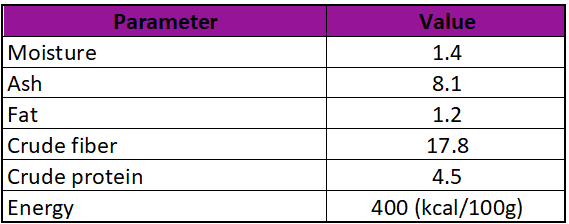

(Ibrahim et al., 2021) used fermented pineapple peel in diet of broiler and found that results showed no significant differences (p > 0.05) in initial weight and average daily gain (ADG) during the starter phase. Offering FPPM significantly increased feed intake (p < 0.05), while final weight, ADG during the finisher phase, body weight gain, and feed conversion ratio (FCR) showed highly significant differences (p < 0.01) among treatments. It was concluded that FPPM can be mixed into broiler diets at up to 15% inclusion without significant adverse effects on growth performance, and that 15% FPPM showed the highest income over feed and chicken cost (IOFCC) compared to all other treatments, demonstrating its economic advantage for broiler production. Ibrahim, (Sukri et al., 2023) examined the effect of fermented pineapple peel and stated that no significant differences (p > 0.05) in initial weight and ADG during the starter phase were found. Offering FPPM significantly increased feed intake (p < 0.05), while it also showed highly significant differences (p < 0.01) in final weight, ADG during the finisher phase, body weight gain, and FCR among treatments. The study concluded that FPPM could be incorporated into broiler diets up to 5% without any significant adverse effects on growth performance, and that 15% FPPM achieved the highest IOFCC across all sales types (live, slaughtered, and processed chicken), demonstrating superior economic returns relative to control despite slight effects on performance parameters. (Hu et al., 2023) supplemented pineapple pomace in broiler feed and stated that the average daily feed intake, average daily gain, and feed-to-gain ratio of the pineapple pomace (PP) group were not significantly different from those in the control group (p > 0.05). Adding 3% PP to the diet significantly reduced the proportion of liver, while the proportion of gizzard significantly increased (p < 0.05). The pH₂₄h and L* values (lightness) of breast muscles were significantly lower in the PP group than in the control group (p < 0.05), and the water-holding capacity of the leg muscles in the PP group was significantly lower than that in the control group (p < 0.05). The overall conclusion was that the addition of 3% dried pineapple pomace to broiler diets had no adverse effects on growth performance or overall meat quality, supporting its use as a sustainable alternative feed ingredient. (Alabi et al., 2025) supplemented pineapple and orange-based diet and concluded that the dietary treatments significantly influenced all growth parameters, with birds on the control diet performing better (p < 0.05) than treated diets in absolute body weight. However, the pineapple/orange mixed peel diet showed similar crude protein (71.53 vs. 76.22%) and ash digestibility (64.01 vs. 59.12%) to the control, while achieving higher dry matter (83.55 vs. 83.03%) and nitrogen-free extract (NFE) digestibility (95.89 vs. 93.26%) than the control. For carcass traits, the control diet produced higher live weight, but the mixed peel (POP) group outperformed the control in dressing percentage (73.73% vs. 69.00%) and drumstick weight percentage (10.01% vs. 8.99%). Meat from birds fed pineapple/orange mixed peels had significantly better aroma and tenderness scores than the control. The study concluded that 50 g/kg of maize can be replaced with an equal mixture of pineapple and orange peels in broiler diets without compromising carcass or meat sensory quality. Olaniyi et al., (2025) used pineapple waste meal as a replacement to wheat offal and found that replacing wheat offal with PWM increased the dietary fiber content across treatment groups. Birds fed 50% PWM replacement performed significantly better than those in all other groups in growth performance parameters during both the starter and finisher phases. With respect to carcass characteristics, birds fed the control diet performed better overall during both phases. Notably, results revealed that relative internal organ weights — particularly liver and gizzard — were significantly higher in birds fed 100% PWM at both starter and finisher phases (p < 0.05), suggesting that higher inclusion levels may place greater physiological demand on digestive organs. The study concluded that, for both starter and finisher phases, broiler performance was maximized at 50% PWM replacement of wheat offal, establishing an effective moderate inclusion strategy for pineapple waste meal as a sustainable feed ingredient.
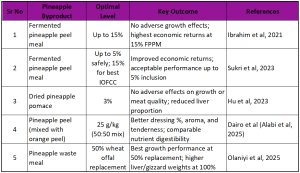
Overall conclusion: Pineapple waste — whether as fermented peel meal, dried pomace, raw waste meal, or mixed with other fruit by-products — demonstrates consistent potential as a sustainable and cost-effective alternative feed ingredient in broiler diets. Its main strengths lie in reducing feed costs and improving economic returns (IOFCC), maintaining acceptable growth performance at moderate inclusion levels, enhancing meat sensory quality (tenderness and aroma), and supporting nutrient digestibility when properly processed. Fermentation significantly enhances the usability of pineapple peel by reducing its high crude fiber content, with safe dietary inclusion levels generally up to 5–15% for fermented forms and up to 3% for dried pomace in complete broiler diets.
Challenges in using fruit waste as an alternate feed ingredient in the poultry sector
Fruit waste by-products have significant nutritional promise and functional potential as substitute feed ingredients in the poultry industry, but their widespread practical adoption is still limited by a number of interrelated technical, logistical, financial, and regulatory issues that need to be carefully recognized and resolved before large-scale implementation can be achieved.
- ✅ Collection, transportation, and supply chain inconsistency
The irregular and geographically dispersed nature of fruit waste formation is one of the main obstacles to its use in poultry feed. The systematic collecting and delivery of peels, pomace, and other residues is logistically and financially challenging because fruit processing facilities, open markets, and juice extraction units are frequently located at significant distances from poultry farms or feed units. Fruit waste by-products are produced seasonally, irregularly, and in quantities that vary greatly based on market demand, crop yields, and processing schedules, in contrast to traditional feed ingredients like maize and soybean meal, which are traded through established supply chains with standardized quality parameters. Fruit waste’s dependability as a feed source is undermined by this supply fluctuation, which makes it very challenging for poultry breeders to create nutritionally balanced and predictable rations throughout the year.
- ✅ High moisture content and rapid spoilage
By its very nature, fresh fruit waste has very high moisture content, which can vary from 60% to 90% depending on the particular fruit variety and by-product. This high moisture content makes the raw material extremely vulnerable to mold growth, microbial contamination, and fermentative decomposition, especially in tropical and subtropical regions where humidity and ambient temperatures makes spoiling quicker. Aflatoxin-producing fungus like Aspergillus flavus and Aspergillus parasiticus can heavily colonize undried fruit peels and pomace within hours of production, providing major mycotoxicological threats to poultry productivity and health. Because fresh fruit waste deteriorates so quickly, it must be processed right away, usually by sun-drying or mechanical drying, before it can be kept safely or added to feed. Producers that want to use these by-products face more operational demands due to the urgent need for post-harvest processing, which drastically reduces the window of usability.
- ✅ High processing and drying costs
It takes a significant investment in processing facilities and energy inputs to transform fresh, high-moisture fruit waste into a stable, dry, and useable feed ingredient. Despite its low cost, sun-drying is labor-intensive, weather-dependent, and susceptible to contamination from dust, insects, and microbial exposure throughout the drying process. Greater consistency and guarantee of food safety are provided by mechanical drying using industrial dryers; however, this process requires a large initial investment and ongoing energy expenses that may exceed the financial savings expected from substituting conventional feed ingredients. Additional processing costs are incurred when dried fruit waste is ground and milled into a consistent particle size appropriate for feed composition. The adoption of fruit waste-based feed ingredients is mainly limited to larger, better-resourced commercial operations because these processing costs can be prohibitive for smallholder poultry producers with narrow profit margins, who stand to gain the most from cost-effective alternative feed ingredients.
- ✅ Variable and inconsistent nutritional composition
Fruit variety and cultivar, geographic origin, agronomic practices, ripeness stage at processing, the particular processing technique used, and seasonal variations in crop quality are just a few of the many variables that affect the chemical and nutritional makeup of fruit waste by-products. For example, it can be difficult to give set nutritional values for feed formulation purposes because the crude fiber, polyphenol, moisture, and calorie content of orange peel or apple pomace from different production locations or different harvest seasons can fluctuate significantly. Before fruit waste can be properly added to rations, it must undergo frequent and expensive laboratory analysis due to its intrinsic compositional unpredictability, which makes it difficult to create exact, nutritionally balanced broiler diets. Without regular nutritional profiling, there is a significant chance that some nutrients may be supplied in excess or insufficiently, which could have a detrimental effect on broiler performance.
- ✅ High anti-nutritional factor content
The consumption of nutrients, the activity of digestive enzymes, and the general health of broilers can all be disturbed by the significant quantities of anti-nutritional factors (ANFs) found in many fruit waste by-products. Pineapple peels, banana by-products, citrus peels, and other often researched fruit residues have been shown to include different amounts of tannins, phytates, oxalates, alkaloids, and hydrogen cyanides. These substances can inhibit protein digesting enzymes like trypsin and chymotrypsin, bind to dietary minerals, decrease the efficiency of nutrient absorption, and, in poultry, cause hazardous effects at high enough concentrations. Although it has been shown that fermentation, heat treatment, and enzyme supplementation can lessen the effects of ANFs, these extra processing stages raise production costs and technical complexity, especially for producers without access to the necessary biotechnological infrastructure or expertise.
- ✅ Regulatory gaps and absence of standardized guidelines
In many regions especially in Sub-Saharan Africa, South and Southeast Asia, and portions of Latin America, the legal framework controlling the use of novel and unconventional feed ingredients—including fruit waste by-products—in commercial poultry production is still in its infancy. The permissible and ideal use of fruit waste-derived feed ingredients is highly uncertain for both producers and regulatory bodies due to the lack of standardized maximum inclusion levels, quality assurance protocols, mycotoxin tolerance thresholds, and safety certification procedures. Large-scale commercial adoption is discouraged by this regulatory vacuum, feed makers’ trust in using such components in commercially supplied compound feeds is diminished, and chicken products headed for both domestic and foreign markets may be at danger for food safety.
- ✅ Consumer perception and market acceptance
Lastly, a minor but important obstacle to the wider use of chicken feed ingredients derived from fruit waste is customer perception. In many markets, the idea of feeding animals waste materials might cause customers to worry about the safety, quality, and wholesomeness of the resultant poultry meat and eggs, even in cases when such materials have been scientifically proven to be safe, nutritious, and useful. Particularly in premium and export-oriented market sectors where consumer scrutiny of production techniques is heightened, negative associations with the phrase “waste” may affect purchasing behavior and market acceptance. Rebranding fruit waste by-products as “agro-industrial co-products” or “functional feed ingredients” may be required to overcome these perceptual barriers and increase consumer trust in poultry products made from circular economy-based feed systems, along with effective public communication and clear product labeling strategies.