


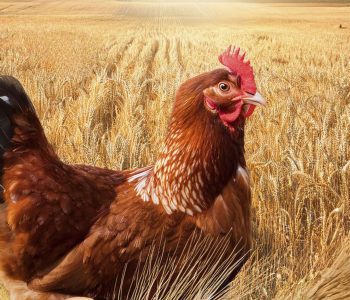
Hybrid rye potential in laying hen feed rations
As the global egg industry faces increasing pressure from climate variability, economic uncertainty, and sustainability demands, producers are searching for alternative feed ingredients that improve efficiency while reducing environmental impact.
Among the most promising options is hybrid rye, a modern cereal crop that offers better yield stability, nutrient density, and adaptability to challenging growing conditions, making it an attractive ingredient for layer diets.
Take-home message:
Using hybrid rye in laying hen diets can reduce feed costs, improve sustainability, maintain egg production performance, and support more resilient poultry systems.
Why Hybrid Rye Matters
Hybrid rye differs from conventional rye because it is developed through controlled crossbreeding between distinct parent lines, improving genetic diversity and enhancing desirable agronomic traits.
Compared to other small grains, hybrid rye offers:
- Greater yield stability
- Higher drought tolerance
- Lower water requirements
- Reduced nitrogen fertilizer needs
- Lower pesticide and fungicide use
- Better resilience under climate stress
Sustainability advantage:
Because hybrid rye requires less nitrogen fertilizer, it helps reduce the carbon footprint of egg production while lowering feed costs.
Challenges of Traditional Rye
Historically, poultry producers avoided rye because conventional rye varieties contained high levels of antinutritional factors, especially water-soluble non-starch polysaccharides (NSPs) and ergot contamination.
These NSPs increase digesta viscosity, reduce nutrient absorption, impair gut function, worsen feed conversion, and may increase wet litter and footpad dermatitis.
Traditional rye had a poor reputation in poultry diets mainly because birds cannot efficiently digest high NSP levels.
Why New Hybrid Rye Is Different
Modern hybrid rye varieties have been specifically developed with reduced antinutritive compounds, making them much safer and more efficient for poultry feeding.
This allows greater inclusion rates with lower risk of performance losses, especially in laying hens, where the negative effects of rye are generally lower than in broilers.
Hybrid rye with reduced NSP content can be safely included in modern layer diets with proper formulation strategies.
The Role of Enzyme Supplementation
One of the best strategies to optimize rye inclusion is the use of NSP-degrading enzymes such as:
- Xylanase – breaks down arabinoxylans
- β-glucanase – hydrolyzes β-glucans
These enzymes reduce intestinal viscosity, improve nutrient digestibility, and help maintain gut health, regardless of the cereal source used.
Recommended strategy:
Adding xylanase is one of the most effective ways to maximize hybrid rye performance and reduce digestive limitations.
Effects on Laying Performance and Egg Quality
Recent studies show that hybrid rye can be included at levels of up to 25% in layer diets without negative effects on:
- Hen productivity
- Egg weight
- Eggshell quality
- Overall laying performance
- Bone structure
Some studies reported lighter yolk color and increased digesta viscosity, but xylanase supplementation significantly reduced intestinal viscosity and improved eggshell thickness.
Even with 25% inclusion, hybrid rye showed no adverse effects on eggshell quality or overall productivity when properly managed.
Bone Health and Welfare
Bone weakness and mineral metabolism disorders are major concerns in laying hens, directly affecting welfare and productive lifespan.
Studies show that hybrid rye can replace corn at 25% without negatively affecting bone structure, especially when combined with xylanase supplementation, which may improve calcium absorption and bone strength.
Better mineral absorption supports stronger bones, improved welfare, and longer productive cycles in laying hens.
Conclusion
Current research confirms that feeding up to 25% hybrid rye with reduced NSP content causes no adverse effects in laying hen diets and offers significant economic and environmental advantages.
With proper enzyme supplementation, hybrid rye becomes a valuable tool for lowering feed costs, improving sustainability, and strengthening resilience against climate-related production challenges.
Final conclusion:
Hybrid rye is no longer a niche ingredient—it is a practical, sustainable, and economically viable option for modern laying hen nutrition when supported by precise formulation and enzyme supplementation.