


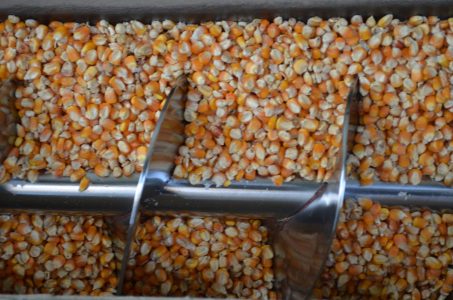
Corn supplies are tightening across Indonesia, putting pressure on feedmills and poultry farmers. Rising demand and restricted imports have driven prices sharply higher, according to a GAIN report by the USDA-Foreign Agricultural Service, which outlines the challenges facing the country’s feed and animal nutrition sector.
Corn supplies tighten as prices surge
Corn consumption by feedmills reached 2.5 million tons between January and April 2026, up 1.1% from the same period in 2025. Farm gate prices jumped to about USD 358/ton (USD 1:IDR 18,100) in April 2026. A year earlier, prices averaged USD 308/ton.
Wet mills producing starch and syrups face even sharper challenges. Without food‑grade imports, many risk shutdowns. The looming El Niño threatens further reductions, with upland rainfed farmers expected to leave fields idle during the 2026/27 cycle.
Wheat steps in as an energy source
To ease pressure, the government authorized PT. Berdikari, a state‑owned subsidiary, to import wheat for feed. By May 2026, 1.3 million tons had landed, up 8.1% from the previous year.
Wheat inclusion in feed formulations is expected to rise as corn production falters. Although international wheat prices remain high, demand from poultry and livestock producers ensures continued imports. Wheat has become the fallback energy source when corn supplies tighten.
Soybean meal policy adds complexity
Protein supply has become another flashpoint. In December 2025, the Ministry of Agriculture designated PT Berdikari as the sole importer of 5 million tons of soybean meal for feedmills. Private traders were limited to just 1 million tons for self‑mixing farmers.
The transition has been rocky. Delayed permits and longer supply chains disrupted availability. Feed prices climbed from $398 per ton to USD 520/ton, squeezing margins for smallholder poultry farmers. Stocks of soybean meal are expected to last only until July 2026, forcing farmers to seek alternative protein sources once supplies run dry.
Poultry farmers face rising costs
Smallholder poultry farmers are particularly vulnerable. Rising feed costs and uncertain soybean meal supplies threaten their ability to sustain flocks. Many report depleted stocks and limited options for replacement proteins.
At the same time, the government’s Free Nutritious Meals program has been scaled back, reducing demand for chicken meat and eggs. Initially designed to reach 82.9 million beneficiaries, the program now covers 81.5 million, with priority given to remote areas. This reduction dampens one of the key drivers of feed demand growth seen in 2024/25 and early 2025/26.
Feed sector under pressure
Indonesia’s feed industry faces a convergence of challenges: restricted corn imports, volatile wheat prices, disrupted soybean meal supply, and climate risks. Farmers and feedmills must adapt quickly, often substituting ingredients or adjusting formulations.
Government reliance on state‑owned enterprises to manage imports adds complexity, while smallholders struggle with rising costs and limited access. As El Niño intensifies and policy transitions continue, the resilience of Indonesia’s feed sector will be tested.