




By Ricky Thaper, Joint Secretary at the Poultry Federation of India
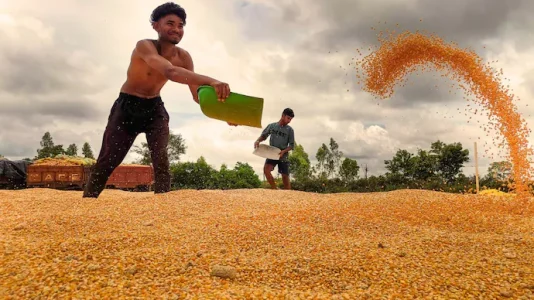
Kharif crop prospects hit by deficient rainfall across several states, all India average maize price was about USD 270.24 per ton in early October. This is against the minimum support price (MSP) announced by the government of USD 252.92 per ton for kharif harvest.
By mid-September, wholesale maize was near USD 283.36 per ton, around 30% above May-June levels. Maize for the poultry feed had risen from USD 262.37 per ton in April to around USD 299.10-304.35 per ton.
Traders have reported crop damage in Maharashtra, Karnataka, Andhra Pradesh and Telangana from inadequate rain at critical growth stages.
Maize now accounts for about 37% of India’s ethanol output; together with steady poultry, starch and South India buying, demand is keeping prices firm as farmer selling stays limited. With kharif maize output expected to decline, market participants anticipate off-season prices rising to USD 310.34 per ton.
The risk of El Niño persisting into early 2027 could add further pressure on maize availability and prices. While carry-over stocks may provide some cushion, they may not be sufficient to fully offset a potential supply shortfall.
For India’s poultry industry, this is a critical concern. Maize is a key component of poultry feed and any sustained increase in its price directly impacts feed costs, production economics, and ultimately the price of poultry products.
The industry must proactively prepare for a period of elevated input costs by strengthening procurement strategies, improving supply chain resilience, and exploring alternative sources of feed ingredients wherever technically and economically feasible.
At the policy level, it is time to recognize that feed security deserves the same strategic attention as food security. A reliable and affordable supply of feed ingredients is essential not only for the sustainability of the poultry sector but also for ensuring an affordable and dependable supply of protein to consumers.
In this context, the government should consider permitting imports of genetically modified (GM) maize (corn) for feed use. Such a measure could diversify sourcing options, ease supply-side pressures and provide the industry with an additional tool to manage domestic shortages and price volatility.
India’s poultry sector plays a vital role in nutrition, employment, and the rural economy. Ensuring its long-term resilience requires a forward-looking approach that balances domestic agricultural priorities with the need for reliable feed supplies.
The message is clear: securing feed supplies is not merely an industry concern; it is an integral part of India’s broader food and nutrition security strategy.