


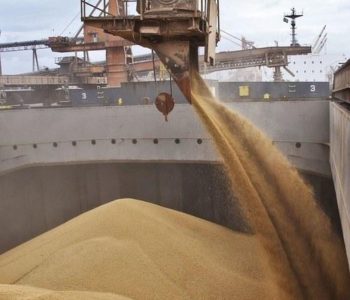
Animal feed supply chains across the Middle East are facing growing pressure as regional conflict disrupts maritime trade and the movement of essential agricultural commodities.
For Gulf countries that depend heavily on imported grains, protein meals and forage, prolonged logistical disruptions could create significant challenges for poultry, dairy and livestock producers.
A recent report published by
Feed Strategy
warns that interruptions in raw material supplies, combined with continuing instability around the Strait of Hormuz, are increasing the risk of animal feed shortages in the region.
The situation highlights a broader structural challenge:
maintaining domestic animal protein production in countries where feed manufacturing depends substantially on international commodity markets and maritime transport.
KEY INSIGHT
Feed security is becoming a critical component of food security in the Gulf. Even where domestic poultry and dairy production capacity exists, disruptions to imported corn, soybean meal, barley and forage can threaten production continuity and increase costs.
Why Gulf Countries Are Particularly Exposed to Feed Supply Disruptions
The Gulf Cooperation Council (GCC), comprising Saudi Arabia, the United Arab Emirates, Qatar, Kuwait, Bahrain and Oman, faces significant limitations on domestic agricultural production.
Water scarcity, limited arable land, high temperatures and dependence on imported agricultural commodities have shaped the region’s food production systems and sourcing strategies.
According to a 2026 analysis published by the French Ministry of Agriculture, imported products accounted for approximately 85% of total food consumption across the GCC in 2024, including around 90% of cereals.
The same analysis identifies imported fodder as a particular vulnerability for large dairy operations. Approximately 60% of Saudi Arabia’s imported fodder and 45% of Qatar’s came from the United States, illustrating how dependence on specific supply origins can create additional exposure.
Although these figures describe broader food and fodder import dependence rather than current feed shortages, they help explain why interruptions in international shipping can have significant consequences for regional animal production.
GULF AGRICULTURAL IMPORT DEPENDENCE
- 85%: Share of GCC food consumption supplied through imports in 2024.
- 90%: Estimated imported share of cereal consumption.
- 60%: Share of Saudi Arabia’s imported fodder sourced from the United States.
- 45%: Equivalent share for Qatar.
Source: French Ministry of Agriculture, 2026. These are historical import-dependence indicators, not estimates of current shortages.
Strait of Hormuz Disruptions Threaten Feed Ingredient Deliveries
The Strait of Hormuz is one of the world’s most strategically important maritime corridors, connecting the Persian Gulf with international shipping routes.
Disruptions to maritime traffic have affected the movement of agricultural commodities, energy products and fertilizers, creating uncertainty for import-dependent markets.
In an April 2026 statement, the
Food and Agriculture Organization of the United Nations (FAO)
warned that the Gulf crisis was disrupting global agrifood supply chains and increasing pressure on food production systems.
Agricultural commodity intelligence company
Kpler
also reported that grain import flows were being disrupted across the Middle East Gulf, with significant differences in exposure between countries.
Iran faces particularly significant risks because of its dependence on imported feed grains and maritime access through the Strait of Hormuz.
Corn represents an important share of its grain imports, reflecting demand from domestic animal production.
Saudi Arabia and the United Arab Emirates also depend on imported grains, but they have additional port infrastructure outside the Persian Gulf, providing potential alternatives for receiving shipments.
However, alternative routes do not automatically eliminate supply risks. Rerouting can increase freight expenses, transport distances, delivery times and pressure on inland logistics networks.
LOGISTICS CHALLENGE
Even when grain remains available on international markets, shipping restrictions, higher insurance premiums, port congestion and longer delivery times can make feed ingredients more expensive or difficult to obtain.
What Could Feed Shortages Mean for Poultry and Livestock Production?
Feed is one of the most important operating expenses in intensive animal production systems. Consequently, changes in ingredient availability and price can rapidly affect production economics.
Poultry production
Commercial poultry diets commonly depend on grains such as corn and protein sources such as soybean meal to supply metabolizable energy, amino acids and other essential nutrients.
Disruptions in these ingredients could force feed manufacturers to seek alternative raw materials, reformulate diets or increase inventory levels.
Any reformulation must maintain the nutritional specifications required for growth, feed efficiency, egg production and bird health.
Substituting ingredients based solely on price or availability may create additional challenges if nutrient digestibility, amino acid balance or feed quality are compromised.
Dairy and ruminant production
Dairy producers in arid environments face additional challenges because forage production is constrained by water availability and climatic conditions.
Imported alfalfa, other forages and concentrate ingredients therefore play an important role in supporting high-producing dairy herds.
Reduced availability or increased costs of these ingredients can affect ration formulation, feeding costs and production margins.
For ruminants, maintaining adequate physically effective fiber, nutrient balance and consistent feed quality is essential when adjusting diets in response to supply disruptions.
Rising Freight and Ingredient Costs Put Feed Manufacturers Under Pressure
The consequences of disrupted trade extend beyond the physical availability of agricultural commodities.
Higher fuel prices, maritime insurance premiums and transportation expenses can increase the landed cost of imported ingredients, even when international grain prices remain relatively stable.
This creates a difficult environment for feed mills that purchase raw materials at changing market prices while supplying livestock producers operating under tight margins.
Industry analysis from
Ken Research
identifies imported ingredient dependence, procurement costs and logistics as major challenges for feed manufacturers across the GCC.
The pressure is particularly relevant for independent feed mills with limited storage capacity, less diversified sourcing arrangements or reduced flexibility to absorb sudden increases in procurement costs.
Can Alternative Feed Ingredients Help Reduce Supply Risks?
The current situation is likely to renew interest in strategies that increase flexibility in animal feed formulation.
Depending on regional availability, nutritional suitability and cost, feed manufacturers may consider alternative grains, protein sources and suitable agricultural co-products.
However, ingredient substitution requires careful assessment of nutrient composition, digestibility, antinutritional factors, mycotoxin contamination, palatability and species-specific requirements.
In poultry diets, for example, alternative cereal grains may offer opportunities to reduce dependence on corn, but adjustments in metabolizable energy, amino acid supplementation and enzyme strategies may be necessary.
For ruminants, alternative fiber sources and suitable co-products may provide additional formulation options, provided that effective fiber supply and overall ration balance are maintained.
ANIMAL NUTRITION OPPORTUNITY
Greater formulation flexibility, reliable ingredient evaluation and nutrient-based optimization can help feed manufacturers respond to supply disruptions without unnecessarily compromising animal performance.
Strengthening Feed Security Through Supply Chain Diversification
Beyond immediate procurement decisions, the situation highlights the importance of longer-term supply chain resilience.
Several approaches could help regional feed manufacturers and livestock producers manage future disruptions:
- Diversifying suppliers: Reducing dependence on individual exporting countries or commodity origins.
- Expanding alternative logistics: Evaluating ports, transport corridors and inland distribution capacity.
- Improving inventory management: Maintaining appropriate safety stocks based on lead times, storage conditions and supply risks.
- Increasing formulation flexibility: Validating alternative ingredients before shortages occur.
- Strengthening quality control: Monitoring raw material composition, contamination risks and storage quality.
- Improving market intelligence: Tracking commodity prices, freight rates and delivery conditions to support purchasing decisions.
These strategies align with recommendations from the FAO, which has emphasized alternative trade routes, supply chain monitoring and diversification of import sources as important responses to the Gulf crisis.
Feed Security Is Becoming Central to Regional Food Security
The challenges facing the Gulf feed industry illustrate how closely animal nutrition is connected to broader food security.
Domestic poultry, dairy and livestock production can contribute to national food supply resilience, but these systems remain vulnerable when essential feed ingredients depend on international imports.
A 2025 study published in the Journal of the Saudi Society of Agricultural Sciences highlighted the influence of environmental limitations, international trade and logistical infrastructure on animal protein supply across GCC countries.
These structural factors mean that expanding domestic animal production alone may not eliminate dependence on external agricultural resources.
Instead, feed procurement, nutritional efficiency, storage infrastructure and diversified trade networks must be considered alongside investments in livestock production capacity.
Looking Ahead: Building More Resilient Feed Supply Chains
Ongoing disruptions in the Middle East are exposing vulnerabilities in animal feed supply chains that rely heavily on imported grains, protein meals and forage.
While the severity of shortages will depend on the duration of disruptions, available inventories, alternative shipping routes and country-specific circumstances, the implications for feed manufacturers and livestock producers are significant.
Securing reliable feed ingredient supplies will require more than short-term purchasing adjustments.
It will also depend on strategic sourcing, improved logistics, flexible formulation practices and stronger coordination between agricultural stakeholders.
For the animal nutrition industry, the current crisis reinforces a fundamental principle: resilient livestock production begins with resilient feed supply chains.
FINAL TAKEAWAY
The Gulf’s feed supply challenges underline the need to combine import diversification, effective logistics, strategic inventories and science-based feed formulation to protect poultry, dairy and livestock production from future disruptions.
Sources and Further Reading
-
- Gerden, E. (November 4, 2026).
Animal feed shortage threatens Middle East, Gulf states.
Feed Strategy. - Food and Agriculture Organization of the United Nations (FAO).
(April 28, 2026).
Strait of Hormuz crisis: FAO Director-General outlines risks, actions and policy responses.
- Bhanu, I. (March 6, 2026).
Grain imports disrupted across the Middle East Gulf.
Kpler. - French Ministry of Agriculture (2026).
Food security: Ambitions, paradoxes and strategies of the Gulf countries.
- Gani, A. (2025).
A policy perspective on the determinants of live animal imports in the Gulf Cooperation Council countries.
Journal of the Saudi Society of Agricultural Sciences. - USDA Foreign Agricultural Service (2026).
United Arab Emirates: Grain and Feed Annual.
- Ken Research (2026).
GCC Animal Feed Market: Growth and Margin Risk.
- Gerden, E. (November 4, 2026).
Animal feed supply chains across the Middle East are facing growing pressure as regional conflict disrupts maritime trade and the movement of essential agricultural commodities.
For Gulf countries that depend heavily on imported grains, protein meals and forage, prolonged logistical disruptions could create significant challenges for poultry, dairy and livestock producers.
A recent report published by
Feed Strategy
warns that interruptions in raw material supplies, combined with continuing instability around the Strait of Hormuz, are increasing the risk of animal feed shortages in the region.
The situation highlights a broader structural challenge:
maintaining domestic animal protein production in countries where feed manufacturing depends substantially on international commodity markets and maritime transport.
KEY INSIGHT
Feed security is becoming a critical component of food security in the Gulf. Even where domestic poultry and dairy production capacity exists, disruptions to imported corn, soybean meal, barley and forage can threaten production continuity and increase costs.
Why Gulf Countries Are Particularly Exposed to Feed Supply Disruptions
The Gulf Cooperation Council (GCC), comprising Saudi Arabia, the United Arab Emirates, Qatar, Kuwait, Bahrain and Oman, faces significant limitations on domestic agricultural production.
Water scarcity, limited arable land, high temperatures and dependence on imported agricultural commodities have shaped the region’s food production systems and sourcing strategies.
According to a 2026 analysis published by the French Ministry of Agriculture, imported products accounted for approximately 85% of total food consumption across the GCC in 2024, including around 90% of cereals.
The same analysis identifies imported fodder as a particular vulnerability for large dairy operations. Approximately 60% of Saudi Arabia’s imported fodder and 45% of Qatar’s came from the United States, illustrating how dependence on specific supply origins can create additional exposure.
Although these figures describe broader food and fodder import dependence rather than current feed shortages, they help explain why interruptions in international shipping can have significant consequences for regional animal production.
GULF AGRICULTURAL IMPORT DEPENDENCE
- 85%: Share of GCC food consumption supplied through imports in 2024.
- 90%: Estimated imported share of cereal consumption.
- 60%: Share of Saudi Arabia’s imported fodder sourced from the United States.
- 45%: Equivalent share for Qatar.
Source: French Ministry of Agriculture, 2026. These are historical import-dependence indicators, not estimates of current shortages.
Strait of Hormuz Disruptions Threaten Feed Ingredient Deliveries
The Strait of Hormuz is one of the world’s most strategically important maritime corridors, connecting the Persian Gulf with international shipping routes.
Disruptions to maritime traffic have affected the movement of agricultural commodities, energy products and fertilizers, creating uncertainty for import-dependent markets.
In an April 2026 statement, the
Food and Agriculture Organization of the United Nations (FAO)
warned that the Gulf crisis was disrupting global agrifood supply chains and increasing pressure on food production systems.
Agricultural commodity intelligence company
Kpler
also reported that grain import flows were being disrupted across the Middle East Gulf, with significant differences in exposure between countries.
Iran faces particularly significant risks because of its dependence on imported feed grains and maritime access through the Strait of Hormuz.
Corn represents an important share of its grain imports, reflecting demand from domestic animal production.
Saudi Arabia and the United Arab Emirates also depend on imported grains, but they have additional port infrastructure outside the Persian Gulf, providing potential alternatives for receiving shipments.
However, alternative routes do not automatically eliminate supply risks. Rerouting can increase freight expenses, transport distances, delivery times and pressure on inland logistics networks.
LOGISTICS CHALLENGE
Even when grain remains available on international markets, shipping restrictions, higher insurance premiums, port congestion and longer delivery times can make feed ingredients more expensive or difficult to obtain.
What Could Feed Shortages Mean for Poultry and Livestock Production?
Feed is one of the most important operating expenses in intensive animal production systems. Consequently, changes in ingredient availability and price can rapidly affect production economics.
Poultry production
Commercial poultry diets commonly depend on grains such as corn and protein sources such as soybean meal to supply metabolizable energy, amino acids and other essential nutrients.
Disruptions in these ingredients could force feed manufacturers to seek alternative raw materials, reformulate diets or increase inventory levels.
Any reformulation must maintain the nutritional specifications required for growth, feed efficiency, egg production and bird health.
Substituting ingredients based solely on price or availability may create additional challenges if nutrient digestibility, amino acid balance or feed quality are compromised.
Dairy and ruminant production
Dairy producers in arid environments face additional challenges because forage production is constrained by water availability and climatic conditions.
Imported alfalfa, other forages and concentrate ingredients therefore play an important role in supporting high-producing dairy herds.
Reduced availability or increased costs of these ingredients can affect ration formulation, feeding costs and production margins.
For ruminants, maintaining adequate physically effective fiber, nutrient balance and consistent feed quality is essential when adjusting diets in response to supply disruptions.
Rising Freight and Ingredient Costs Put Feed Manufacturers Under Pressure
The consequences of disrupted trade extend beyond the physical availability of agricultural commodities.
Higher fuel prices, maritime insurance premiums and transportation expenses can increase the landed cost of imported ingredients, even when international grain prices remain relatively stable.
This creates a difficult environment for feed mills that purchase raw materials at changing market prices while supplying livestock producers operating under tight margins.
Industry analysis from
Ken Research
identifies imported ingredient dependence, procurement costs and logistics as major challenges for feed manufacturers across the GCC.
The pressure is particularly relevant for independent feed mills with limited storage capacity, less diversified sourcing arrangements or reduced flexibility to absorb sudden increases in procurement costs.
Can Alternative Feed Ingredients Help Reduce Supply Risks?
The current situation is likely to renew interest in strategies that increase flexibility in animal feed formulation.
Depending on regional availability, nutritional suitability and cost, feed manufacturers may consider alternative grains, protein sources and suitable agricultural co-products.
However, ingredient substitution requires careful assessment of nutrient composition, digestibility, antinutritional factors, mycotoxin contamination, palatability and species-specific requirements.
In poultry diets, for example, alternative cereal grains may offer opportunities to reduce dependence on corn, but adjustments in metabolizable energy, amino acid supplementation and enzyme strategies may be necessary.
For ruminants, alternative fiber sources and suitable co-products may provide additional formulation options, provided that effective fiber supply and overall ration balance are maintained.
ANIMAL NUTRITION OPPORTUNITY
Greater formulation flexibility, reliable ingredient evaluation and nutrient-based optimization can help feed manufacturers respond to supply disruptions without unnecessarily compromising animal performance.
Strengthening Feed Security Through Supply Chain Diversification
Beyond immediate procurement decisions, the situation highlights the importance of longer-term supply chain resilience.
Several approaches could help regional feed manufacturers and livestock producers manage future disruptions:
- Diversifying suppliers: Reducing dependence on individual exporting countries or commodity origins.
- Expanding alternative logistics: Evaluating ports, transport corridors and inland distribution capacity.
- Improving inventory management: Maintaining appropriate safety stocks based on lead times, storage conditions and supply risks.
- Increasing formulation flexibility: Validating alternative ingredients before shortages occur.
- Strengthening quality control: Monitoring raw material composition, contamination risks and storage quality.
- Improving market intelligence: Tracking commodity prices, freight rates and delivery conditions to support purchasing decisions.
These strategies align with recommendations from the FAO, which has emphasized alternative trade routes, supply chain monitoring and diversification of import sources as important responses to the Gulf crisis.
Feed Security Is Becoming Central to Regional Food Security
The challenges facing the Gulf feed industry illustrate how closely animal nutrition is connected to broader food security.
Domestic poultry, dairy and livestock production can contribute to national food supply resilience, but these systems remain vulnerable when essential feed ingredients depend on international imports.
A 2025 study published in the Journal of the Saudi Society of Agricultural Sciences highlighted the influence of environmental limitations, international trade and logistical infrastructure on animal protein supply across GCC countries.
These structural factors mean that expanding domestic animal production alone may not eliminate dependence on external agricultural resources.
Instead, feed procurement, nutritional efficiency, storage infrastructure and diversified trade networks must be considered alongside investments in livestock production capacity.
Looking Ahead: Building More Resilient Feed Supply Chains
Ongoing disruptions in the Middle East are exposing vulnerabilities in animal feed supply chains that rely heavily on imported grains, protein meals and forage.
While the severity of shortages will depend on the duration of disruptions, available inventories, alternative shipping routes and country-specific circumstances, the implications for feed manufacturers and livestock producers are significant.
Securing reliable feed ingredient supplies will require more than short-term purchasing adjustments.
It will also depend on strategic sourcing, improved logistics, flexible formulation practices and stronger coordination between agricultural stakeholders.
For the animal nutrition industry, the current crisis reinforces a fundamental principle: resilient livestock production begins with resilient feed supply chains.
FINAL TAKEAWAY
The Gulf’s feed supply challenges underline the need to combine import diversification, effective logistics, strategic inventories and science-based feed formulation to protect poultry, dairy and livestock production from future disruptions.
Sources and Further Reading
- Gerden, E. (November 4, 2026).
Animal feed shortage threatens Middle East, Gulf states.
Feed Strategy. - Food and Agriculture Organization of the United Nations (FAO).
(April 28, 2026).
Strait of Hormuz crisis: FAO Director-General outlines risks, actions and policy responses.
- Bhanu, I. (March 6, 2026).
Grain imports disrupted across the Middle East Gulf.
Kpler. - French Ministry of Agriculture (2026).
Food security: Ambitions, paradoxes and strategies of the Gulf countries.
- Gani, A. (2025).
A policy perspective on the determinants of live animal imports in the Gulf Cooperation Council countries.
Journal of the Saudi Society of Agricultural Sciences. - USDA Foreign Agricultural Service (2026).
United Arab Emirates: Grain and Feed Annual.
- Ken Research (2026).
GCC Animal Feed Market: Growth and Margin Risk.