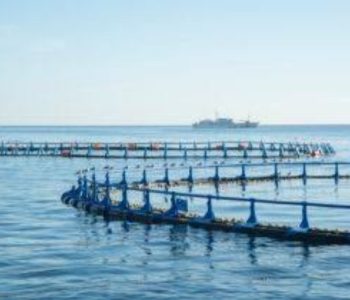
Morocco’s aquaculture expansion signals new growth opportunities
Morocco is accelerating the development of its aquaculture industry with
244 active aquaculture projects and a medium-term production target of approximately
90,000 tonnes of seafood annually. The expansion represents years of coordinated public investment, strategic planning, and private-sector participation aimed at strengthening the country’s blue economy along both the Atlantic Ocean and Mediterranean Sea.
Although the project pipeline demonstrates significant momentum, the sector is still transitioning from development to full commercial production. Industry estimates indicate that actual aquaculture production currently stands at only about
3,600 tonnes per year, highlighting the considerable opportunity—and challenge—that lies ahead.
📌 Key Takeaway
Morocco has one of the most ambitious aquaculture development pipelines in North Africa. The next challenge is converting approved projects into sustainable commercial seafood production.
A sector built on long-term planning
Over the past decade, Morocco has positioned aquaculture as a strategic pillar of its blue economy. Through its
National Agency for the Development of Aquaculture (ANDA), the country has identified suitable farming zones, promoted investment opportunities, strengthened technical standards, and encouraged greater participation from both domestic and international investors.
The current portfolio of
244 projects reflects this long-term strategy rather than an overnight expansion. Many initiatives are still progressing through planning, construction, licensing, or early production phases, demonstrating that Morocco is investing not only in immediate production but also in future capacity.
🌊 Blue Economy Perspective
Aquaculture is becoming an important component of Morocco’s broader strategy to diversify seafood production, create coastal employment, and strengthen food security while reducing pressure on wild fisheries.
Large potential, modest production
While Morocco’s project pipeline is impressive, commercial production has not yet caught up with installed capacity. Current annual output of approximately
3,600 tonnes represents only a small fraction of the country’s stated production objectives.
This gap should not necessarily be viewed as a failure but rather as an indication that much of the sector remains under development. Many farms are still being constructed, licensed, or scaled toward commercial operation.
Consequently, the headline production target of
90,000 tonnes should be interpreted as future productive capacity rather than current harvest volumes.
Diversifying species and production systems
Morocco’s aquaculture portfolio is becoming increasingly diversified.
Shellfish farming continues to represent a significant share of production, while investment in
marine finfish and seaweed cultivation is gradually expanding across suitable coastal regions.
Seaweed production, in particular, offers opportunities that extend beyond seafood markets. As global demand increases for sustainable ingredients used in food, animal nutrition, pharmaceuticals, cosmetics, and biotechnology, macroalgae cultivation could become an important new growth area for the Moroccan aquaculture sector.
📈 Growth Drivers
Future expansion will likely be supported by shellfish farming, marine fish production, seaweed cultivation, improved hatcheries, better feed availability, and stronger seafood processing infrastructure.
Infrastructure remains the key challenge
Industry experts agree that increasing farm numbers alone will not guarantee long-term success. Building a competitive aquaculture industry requires investment across the entire production chain.
Several critical areas still require continued development, including:
- Feed manufacturing capacity
- Modern hatcheries
- Cold storage facilities
- Seafood processing plants
- Transportation and logistics
- Quality assurance and traceability systems
- Technical training and workforce development
Strengthening these supporting industries will be essential if Morocco hopes to transform project approvals into reliable commercial production capable of serving both domestic consumers and export markets.
Opportunities for investment and sustainability
International organizations, including the
World Bank, have identified aquaculture as one of Morocco’s strongest opportunities for economic diversification, employment creation, and sustainable seafood production.
Global seafood demand continues to increase while capture fisheries face biological limits in many regions. Under these conditions, responsibly managed aquaculture offers Morocco the opportunity to increase food production while generating new economic activity in coastal communities.
At the same time, success will depend on balancing expansion with environmental stewardship through careful site selection, responsible feed use, disease management, and ecosystem monitoring.
🔮 Industry Outlook
Morocco has already built the foundation for a much larger aquaculture industry. The coming years will determine whether investment in infrastructure, feed production, hatcheries, logistics, and processing can translate ambitious plans into sustained commercial success.
Looking ahead
Morocco’s aquaculture sector is clearly entering a period of accelerated development. While current production remains relatively modest, the combination of government planning, investor interest, favorable coastal resources, and growing global seafood demand creates significant long-term potential.
The country’s next milestone will not simply be approving additional projects, but ensuring those farms become productive, profitable, and environmentally sustainable. If Morocco successfully strengthens the entire aquaculture value chain, it could emerge as one of the leading aquaculture producers in Africa and an increasingly important supplier of seafood to international markets.