


Navigating the Maze of Mycotoxin with Myco’Kingdom
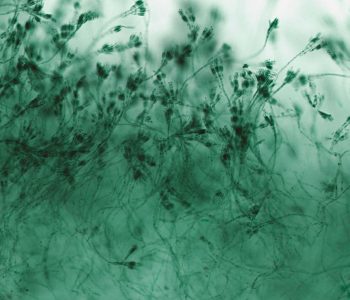
Mycotoxins are toxic compounds produced by certain types of molds naturally present in agricultural commodities around the world. These toxins represent a major threat to livestock health, animal performance, productivity, and profitability in modern animal production systems.
Despite advances in agricultural practices and feed processing technologies, mycotoxins remain a persistent challenge due to their variability, ubiquity, and complex interactions with both the feed matrix and animal physiology.
Take-home message:
Effective mycotoxin management requires a proactive, holistic, and data-driven strategy rather than isolated corrective actions.
Understanding the Foundations: Molds and Mycotoxins
Mycotoxins are secondary metabolites produced by fungi under environmental or physiological stress conditions such as:
- Temperature fluctuations
- Drought
- Mechanical damage
- Microbial competition
Contamination risk varies according to fungal species, crop type, climatic region, agronomic practices, and storage conditions. For example, corn is generally more prone to contamination than cereals like barley or wheat.
Regional trends:
Deoxynivalenol (DON) is more prevalent in temperate climates such as North America and Northern Europe, while fumonisins are more common in tropical and subtropical regions.
Main Mold Categories
- Field molds: such as Fusarium, infecting crops during growth
- Storage molds: including Aspergillus and Penicillium, developing post-harvest under warm and humid conditions
This complexity is the reason behind the development of Myco’Kingdom, a digital platform by Olmix designed to support farmers, nutritionists, and feed professionals in understanding, evaluating, and controlling mycotoxin risks.
Recognizing Mycotoxicosis: Subtle Yet Significant
Mycotoxicosis refers to the toxic effects of mycotoxins on animal health. These effects may be:
- Acute — short-term exposure to high toxin levels
- Subclinical — prolonged exposure to lower toxin doses
While acute mycotoxicosis is easier to detect, the real challenge lies in subclinical mycotoxicosis, which often goes unnoticed but causes major long-term losses.
Common impacts include:
- Reduced feed intake
- Impaired gut health
- Reproductive disorders
- Weakened vaccine response
- Higher susceptibility to pathogens
- Lower productivity and profitability
Farm-Level Risk Management: Detecting and Diagnosing
At farm level, mycotoxin problems are often detected only after performance losses appear. Early detection is essential to prevent irreversible damage.
The Myco’Evaluator is a free online tool that helps assess contamination probability using farm-specific risk factors such as:
- Crop origin
- Storage practices
- Harvest and drying methods
- Animal symptoms
Although it is not a diagnostic test, it helps determine whether chemical analysis should be performed.
Feed Mill Control: Designing Smart Testing Strategies
In feed manufacturing, establishing an effective mycotoxin monitoring strategy is essential for quality control and customer assurance.
One of the biggest challenges is polycontamination, where feedstuffs contain multiple mycotoxins simultaneously.
The Myco’Screen tool supports rational sampling and testing protocols, offering:
- Rapid tests (ELISA strips, microwell assays)
- Advanced LC-MS/MS full-spectrum analysis
- Detection of more than 45 mycotoxins per sample
Important fact:
Up to 80% of analytical errors come from poor sampling techniques rather than laboratory procedures.
Reducing Animal Exposure: Binder Strategies and Beyond
Completely eliminating mycotoxins from feed is virtually impossible. For this reason, feed formulations often include mycotoxin deactivation strategies.
Main Solutions
- Adsorbents: bentonites, activated clays, yeast cell walls, sepiolite
- Biotransforming agents: enzymes or microbes that degrade toxins
- Health support additives: supporting liver function, gut integrity, and antioxidant defenses
An effective toxin binder is usually a carefully formulated blend of multiple components capable of targeting a wide spectrum of mycotoxins, including challenging toxins like DON and fumonisins.
A New Era of Mycotoxin Management
Modern animal production requires smarter, more integrated tools. Myco’Kingdom by Olmix offers a centralized platform for data analysis, diagnostics, scientific education, decision support, and preventive management.
By combining real-time evaluation tools, practical guidelines, expert interpretation, and strategic feed interventions, Myco’Kingdom helps shift the industry from reactive troubleshooting to proactive prevention.
Final conclusion:
Mycotoxins are an unavoidable yet manageable challenge in animal nutrition. Through early risk assessment, accurate diagnostics, informed interpretation, and strategic interventions, producers can protect animal health, farm productivity, and feed efficiency.
Read more at Olmix.com