


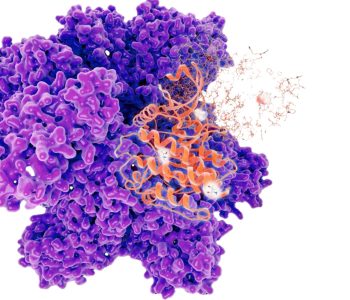
Nutrient and energy content of synthetic and crystalline amino acids
The use of synthetic and crystalline amino acids, also called non-bound amino acids, is rapidly increasing in the feed industry as producers seek to reduce dietary crude protein levels and minimize the inclusion of high-environmental-impact ingredients such as soybean meal.
This approach supports precision nutrition, improves sustainability, and helps optimize feed costs while maintaining animal performance in poultry and swine production.
Take-home message:
Improving synthetic amino acids nutrition allows more precise feed formulation, lower crude protein diets, better nutrient efficiency, and stronger environmental sustainability.
A Growing Global Market
The feed amino acid market is estimated at USD 8.38 billion in 2025 and is expected to reach USD 10.71 billion by 2030, growing at a compound annual growth rate of 5%. Non-bound amino acids represented 22.1% of the global feed additives market value in 2022.
Technological advances in fermentation and extraction methods have improved amino acid purity, bioavailability, and affordability, allowing broader inclusion of amino acids such as lysine, methionine, threonine, valine, tryptophan, arginine, glutamine, and isoleucine.
Industry trend:
Precision animal nutrition is driving higher investment in amino acid supplementation technologies and more accurate feed formulation systems.
Nitrogen Content and Crude Protein Calculation
Traditionally, crude protein is calculated using the factor 6.25, based on the assumption that proteins contain 16% nitrogen. However, this value is inaccurate for most amino acids and feed ingredients.
Pure amino acids average only 14.74% nitrogen, meaning the standard 6.25 conversion factor often overestimates crude protein. The correct nitrogen correction factor varies depending on the specific amino acid.
Using inaccurate crude protein calculations can lead to formulation errors and reduced nutritional precision.
Different Amino Acids, Different Nitrogen Levels
Not all amino acids contain the same nitrogen concentration:
- Lysine: 19.16% nitrogen
- Methionine: 9.39% nitrogen
- Threonine: 11.76% nitrogen
- Arginine: 32.16% nitrogen
- Tyrosine: 7.73% nitrogen
This variation shows why each amino acid requires individual evaluation rather than using a universal crude protein conversion factor.
Amino acids should be evaluated based on their own molecular composition—not through generalized protein assumptions.
Energy Contribution of Amino Acids
Synthetic amino acids also contribute significant energy to diets. Their N-corrected Apparent Metabolizable Energy (AMEn) values vary considerably depending on the amino acid:
- Lysine: 4,742 kcal/kg
- Methionine: 4,325 kcal/kg
- Threonine: 3,315 kcal/kg
- Tryptophan: 5,189 kcal/kg
- Leucine: 5,856 kcal/kg
These values should be included in feed formulation matrices to avoid underestimating the nutritional contribution of amino acid supplements.
Key formulation point:
Synthetic amino acids provide both nutrients and usable energy, so they must be included accurately in feed energy matrices.
Supplier Variability Matters
Commercial amino acid products are not always 100% pure and may vary significantly depending on the supplier, concentration, digestibility, and chemical form.
For example, DL-Methionine, L-Lysine HCl, Biolysine, and methionine hydroxy analogues show important differences in crude protein percentage, digestible methionine equivalent, and metabolizable energy values.
Nutritionists must matrix each product correctly to avoid formulation inaccuracies and improve economic efficiency.
The same amino acid from different suppliers may not provide the same nutritional value.
Precision Nutrition and Sustainability
Lowering crude protein diets through synthetic amino acid supplementation reduces nitrogen excretion, improves environmental sustainability, and decreases reliance on soybean meal and other resource-intensive ingredients.
This precision approach supports both profitability and sustainability while maintaining optimal performance in poultry and swine production.
Better amino acid precision means lower waste, better feed efficiency, and more sustainable livestock production.
Conclusion
Synthetic and crystalline amino acids are no longer just supplements—they are essential tools for modern precision nutrition. Their accurate nutritional and energy values directly influence formulation efficiency, animal performance, and sustainability outcomes.
Understanding nitrogen content, energy contribution, and supplier variability allows nutritionists to make more precise and economically sound decisions.
Final conclusion:
Synthetic amino acids are transforming feed formulation—improving precision, reducing environmental impact, and helping producers achieve better productivity with smarter nutrition.