


The Philippine Department of Agriculture (DA) has issued an order adopting a National Framework for Biosecurity in Food Animal Establishments. The measure sets science‑based standards aimed at protecting the livestock and poultry industries from disease outbreaks while supporting safe trade.
Framework scope and coverage
The framework applies across DA bureaus, attached agencies, and corporations. Coverage extends from points of entry at airports and seaports to farms, transport systems, markets, and slaughterhouses. By harmonizing practices across the supply chain, the department seeks to strengthen resilience and reduce economic losses.
Objectives focus on prevention and coordination. The framework is designed to prevent and control animal diseases, promote compliance with national and international standards, and build farm‑level capacity for surveillance and sanitation. It also calls for closer coordination among government agencies, local government units, and private stakeholders. Officials note that the order provides a foundation for a future Biosecurity Law that would institutionalize these measures nationwide.
Measures across the supply chain
The framework prescribes detailed requirements for different points in the chain:
- ✅ International borders: Veterinary inspections, document checks, and quarantine protocols, with controlled access points and sanitation facilities.
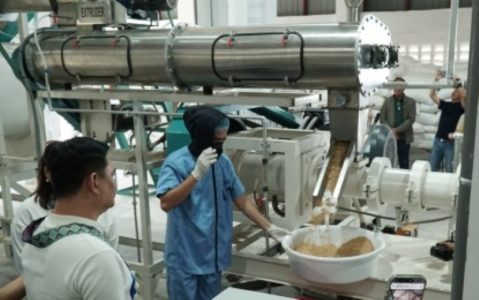
- ✅ Feedmills: Good Manufacturing Practices, sanitation programs, pest control, and regulated movement of feed ingredients.
- ✅ Commercial farms: Zoning diagrams, controlled access, shower facilities, downtime protocols, and regular disinfection.
- ✅ Smallhold farms: Basic sanitation, restricted animal movement, and proper carcass disposal.
- ✅ Transport: Cleaning and disinfection of vehicles, movement permits, and veterinary health certificates.
- ✅ Live bird markets: Segregation of species, sanitation protocols, and disease surveillance, with controlled entry and disinfection stations.
- ✅ Auction markets: Regulated animal movement, sanitation, and health monitoring before sale.
- ✅ Slaughterhouses: Ante‑mortem and postmortem inspections, condemnation of unsafe meat, and sanitation and pest control programs.
Implementation and capacity building
The Bureau of Animal Industry will lead implementation, including training personnel, conducting awareness campaigns, monitoring animal transport, and enforcing farm protocols. The DA will coordinate with local government units and other agencies to align policies and identify areas of cooperation.
Capacity development is central to the framework. Training programs, technical assistance, and information dissemination will strengthen the competencies of regulators, implementers, and farm operators. Academic institutions and industry partners are expected to contribute to knowledge building and skills development.
Funding will come from existing DA budgets, with additional resources mobilized through partnerships and grants. The order includes standard legal clauses on separability and repeal of inconsistent issuances. It takes effect immediately and remains in force unless revoked.
Toward a resilient livestock sector
The adoption of the framework marks a significant step for Philippine agriculture. By embedding biosecurity measures across the food animal value chain, the DA is reinforcing the foundations of the sector.
The framework is expected to safeguard farms and markets, support safe trade, and stabilize livelihoods. It also contributes to healthier communities by reducing risks from animal diseases, positioning the livestock industry to respond more effectively to future challenges.