


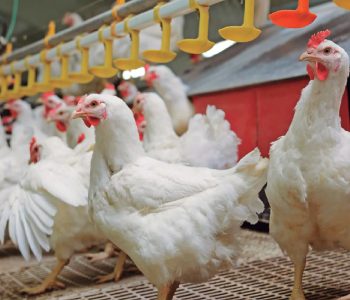
Poultry nutrition and production in Oceania: where innovation meets efficiency
Poultry production in Oceania is shaped by a unique combination of high production standards, strong welfare expectations, strict biosecurity, and increasing demand for efficient animal protein. Across Australia, New Zealand, and the wider region, poultry remains an important sector for food security and agricultural innovation.
As feed costs, sustainability targets, and animal welfare requirements continue to evolve, nutrition has become one of the most important tools for improving productivity while reducing environmental pressure. Modern poultry nutrition in Oceania is increasingly focused on precision feeding, gut health, feed efficiency, and resilient production systems.
In Oceania, poultry nutrition is moving toward more precise, efficient, and sustainable strategies that support performance, welfare, and environmental responsibility.
A region focused on efficiency and quality
Australia and New Zealand have developed poultry sectors where productivity is closely connected to food safety, welfare standards, and technical innovation. Producers must balance consumer expectations with the need to maintain affordable and reliable poultry meat and egg production.
This balance places nutrition at the center of production decisions. Feed programs are expected to support:
- High growth performance
- Efficient feed conversion
- Gut health and immune resilience
- Egg quality and laying persistence
- Animal welfare and robustness
- Lower environmental impact
Feed efficiency remains one of the most important drivers of competitiveness in poultry systems, especially where ingredient costs and sustainability expectations are high.
Precision nutrition as a key trend
Precision nutrition is becoming increasingly relevant in poultry production. Rather than relying only on broad nutrient specifications, nutritionists are working to match diets more closely to bird genetics, age, production phase, health status, and environmental conditions.
This approach allows producers to optimize amino acid balance, energy density, mineral supply, and feed additive use while avoiding unnecessary nutrient excess. In practical terms, precision nutrition can help reduce feed waste, improve uniformity, and support better flock performance.
Precision nutrition helps poultry producers deliver the right nutrients at the right time, improving performance while reducing nutrient losses.
Gut health and reduced antibiotic reliance
Gut health is one of the strongest areas of innovation in poultry nutrition. A healthy gastrointestinal tract supports nutrient absorption, immune function, microbiota balance, and overall flock resilience.
In Oceania, as in other advanced poultry markets, nutritional strategies increasingly aim to support intestinal health through:
- Probiotics and prebiotics
- Organic acids
- Phytogenic additives
- Enzymes
- Functional fibers
- Yeast-derived products
These tools are especially important in systems focused on reducing antibiotic reliance while maintaining productivity and animal welfare.
Gut health strategies are central to maintaining performance in modern poultry systems, particularly where antibiotic use is increasingly restricted or carefully managed.
Feed ingredients and sustainability
Ingredient selection is another major priority. Poultry diets in Oceania depend on the availability, price, and quality of grains, oilseeds, protein meals, fats, minerals, and feed additives. Global commodity volatility makes flexibility in formulation increasingly important.
Sustainability considerations are also influencing ingredient choices. Nutritionists are evaluating raw materials not only by cost and nutrient value, but also by digestibility, carbon footprint, supply reliability, and contribution to circular production systems.
Emerging areas of interest include:
- Alternative protein sources
- Enzyme-supported ingredient use
- Local and regional feed resources
- Improved amino acid precision
- Lower crude protein formulations
- Circular feed ingredients and by-products
Future poultry diets in Oceania will likely rely on more flexible ingredient strategies that balance cost, performance, and sustainability.
Climate and environmental challenges
Oceania’s poultry sector must also adapt to climate variability, heat stress risk, water availability concerns, and environmental regulation. These challenges make nutritional resilience increasingly important.
Heat stress can reduce feed intake, impair growth, affect egg production, and compromise immune function. Nutritional strategies that improve antioxidant status, electrolyte balance, gut integrity, and nutrient density can help birds cope with environmental stress.
Climate resilience is becoming an increasingly important part of poultry nutrition, especially in regions exposed to heat events and environmental variability.
Technology and data-driven production
Digital tools are also shaping the future of poultry production in Oceania. Monitoring systems, farm data platforms, automated feeding technologies, and predictive models can help producers respond faster to changes in flock performance.
When combined with nutrition, these tools can support:
- Better feed formulation decisions
- Early detection of performance issues
- Improved flock uniformity
- More accurate nutrient delivery
- Lower feed waste
- Improved sustainability reporting
Data-driven production systems can help poultry nutritionists and producers make faster, more precise decisions at flock level.
Welfare and productivity together
In Oceania, welfare expectations strongly influence poultry production. Nutrition plays an important role in supporting welfare by improving skeletal development, gut comfort, immune resilience, feather condition, egg quality, and overall bird robustness.
The future of poultry production will increasingly depend on demonstrating that productivity and welfare can advance together. This requires integrated strategies that combine genetics, housing, health management, feed formulation, and environmental control.
Efficient poultry production must also be welfare-focused, with nutrition playing a central role in supporting bird health and robustness.
Conclusion
Poultry nutrition and production in Oceania are evolving toward systems that are more precise, efficient, resilient, and sustainability-oriented.
The region’s poultry sector faces many of the same pressures seen globally: feed cost volatility, sustainability demands, climate challenges, and increasing welfare expectations. However, these pressures are also driving innovation.
By focusing on precision nutrition, gut health, feed efficiency, climate resilience, and data-driven management, Oceania’s poultry industry is well positioned to continue improving performance while meeting the expectations of modern consumers and sustainable food systems.
Oceania’s poultry sector shows how innovation, nutrition, welfare, and efficiency can work together to shape the future of sustainable poultry production.