


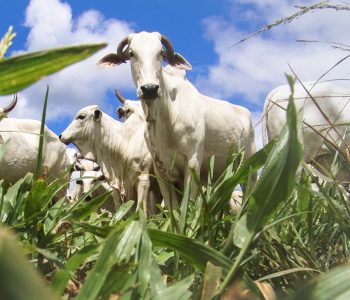
Reducing methane emissions in livestock: feed strategies for sustainable production
Methane emissions from livestock have become a central topic in global discussions around sustainability and climate change. In ruminants, methane is a natural by-product of digestion, but it also represents a significant loss of dietary energy and a major contributor to greenhouse gas emissions.
As the industry moves toward more sustainable production systems, nutrition is emerging as one of the most practical and scalable tools to reduce methane output while improving feed efficiency, productivity, and resource use.
Methane reduction is not only an environmental goal; it is also a nutritional opportunity to improve the efficiency of livestock production.
Why methane matters
Methane production represents both an environmental challenge and a nutritional inefficiency. Energy lost as methane cannot be used by the animal for growth, milk production, reproduction, or maintenance.
For this reason, strategies that reduce enteric methane emissions can contribute to two major objectives:
- Lower greenhouse gas emissions from livestock systems
- Better conversion of dietary energy into productive outputs
Reducing methane emissions can improve emissions intensity by helping animals produce more milk or meat per unit of feed consumed.
Understanding methane production in ruminants
Methane is primarily produced in the rumen during microbial fermentation. As microorganisms break down feed, hydrogen is generated and subsequently used by methanogenic archaea to produce methane.
The amount of methane produced depends on several interacting factors, including:
- Diet composition
- Feed digestibility
- Forage-to-concentrate ratio
- Rumen microbial populations
- Animal physiology and productivity
Methane production is directly linked to how feed is fermented in the rumen, making diet formulation a critical control point.
Diet composition: the first lever
One of the most effective ways to influence methane production is through diet formulation. High-fiber diets tend to increase methane output because they promote fermentation pathways that generate more hydrogen.
In contrast, increasing the proportion of concentrates or highly digestible ingredients can reduce methane emissions per unit of feed intake. However, this strategy must be carefully managed to avoid negative effects on rumen health, milk fat production, or animal welfare.
- Higher forage diets may increase methane output through fiber fermentation.
- Highly digestible diets can improve nutrient use and reduce emissions intensity.
- Balanced concentrate inclusion may reduce methane but requires careful rumen management.
Adjusting the forage-to-concentrate ratio can significantly influence methane production, but it must be balanced with rumen health and production goals.
Feed additives: targeting rumen fermentation
A wide range of feed additives has been developed to specifically target methane production by altering rumen fermentation pathways or inhibiting methanogenic microbes.
Some of the most discussed additive categories include:
- Essential oils and plant extracts: help modulate microbial populations and fermentation patterns.
- Tannins and saponins: may reduce methane by binding substrates or affecting microbial activity.
- Seaweed sources such as Asparagopsis: contain compounds that directly inhibit methane-producing pathways.
- 3-NOP (3-nitrooxypropanol): a well-researched inhibitor of enzymes involved in methane formation.
Targeted feed additives can significantly reduce methane emissions when properly integrated into feeding programs without compromising productivity.
Improving feed efficiency reduces emissions
An often overlooked strategy is improving overall feed efficiency. Animals that convert feed into product more efficiently generally produce less methane per unit of milk or meat.
This means that strategies aimed at improving digestibility, gut health, and nutrient utilization can indirectly contribute to methane reduction.
Examples include:
- Improving forage quality
- Optimizing protein and energy balance
- Supporting rumen microbial efficiency
- Reducing feed waste
- Matching diets to production stage
Producing more output with the same or fewer inputs reduces emissions intensity across the livestock system.
No single solution: a systems approach
Despite promising advances, there is no single strategy that can completely eliminate methane emissions. The most effective approach combines multiple interventions, including nutrition, genetics, management, and environmental control.
Each production system has unique constraints. Therefore, methane mitigation strategies must be adapted to local conditions, animal type, production goals, feed availability, and economic feasibility.
The most effective methane reduction programs combine nutrition, management, genetics, and precision monitoring rather than relying on a single intervention.
Final thoughts
Methane reduction is no longer only a regulatory or environmental concern. It is also a matter of economic efficiency and resource optimization.
By focusing on diet formulation, targeted additives, and improved feed utilization, producers can simultaneously enhance productivity and reduce environmental impact.
In this context, nutrition stands out as one of the most practical and scalable tools to shape the future of sustainable livestock production.
Reducing methane emissions through nutrition can help livestock systems become more efficient, resilient, and aligned with global sustainability goals.