


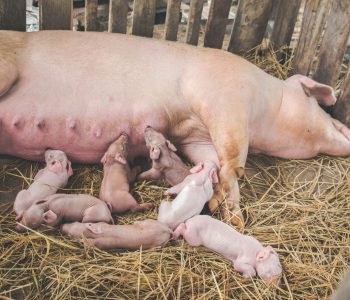
Sow colostrum and its strategic impact on piglet survival and growth
Marianna Altieri – Research and Development, Carra Mangimi S.p.A.
Giuseppe Carcò – Formulation Assistant, Carra Mangimi S.p.A.
Colostrum is the first secretion produced by the sow’s mammary gland during the first 24 hours after farrowing. Often referred to as “liquid gold”, it provides immunoglobulins, bioactive peptides, growth factors, highly assimilable nutrients, and prebiotic and probiotic components that support the piglet’s transition to extrauterine life.
Sow colostrum is not only a source of early nutrition. It is a biological determinant of immunity, gut development, survival, and long-term piglet performance.
Why colostrum is essential for piglets
Because the porcine placenta is epitheliochorial, antibody macromolecules cannot be transferred during gestation. Consequently, timely colostrum intake is the only route for maternally derived antibody transfer and passive immunity in newborn piglets.
Effective colostrum intake is directly associated with neonatal survival, piglet vigor, and long-term zootechnical performance. However, hyper-prolific genetics have created new challenges, including larger litters, lower average birth weights, and greater birth-weight heterogeneity.
Litters exceeding 16–18 live-born piglets can surpass the sow’s functional nursing capacity, reducing colostrum availability per piglet.
Nutritional and immunological composition
From a nutritional standpoint, porcine colostrum contains approximately 16.5% protein. These proteins consist mainly of caseins and whey proteins, with immunoglobulins representing more than 80% of the whey fraction.
Regarding the immunoglobulin profile, IgG is the most abundant, followed by IgA and IgM. While IgG and IgM are derived from maternal serum, approximately 60% of IgA is synthesized locally in the mammary gland through the gut-mammary axis.
The gut-mammary axis allows the sow to transfer immune protection against pathogens encountered in her diet and environment.
Rapid changes after farrowing
The biochemical composition of colostrum changes rapidly after parturition. Initially, it contains relatively low concentrations of fat and lactose, but within 24 hours, protein levels decrease while fat and lactose concentrations increase as secretion transitions toward mature milk.
This rapid transition reinforces the importance of early colostrum intake immediately after birth.
Bioactive compounds and antimicrobial defence
Beyond basic nutrition, sow colostrum contains bioactive molecules such as nucleotides, oligosaccharides, peptides, organic acids, and antimicrobial factors.
- Lactoferrin helps inhibit pathogen proliferation by sequestering iron.
- Lactoperoxidase produces intermediates toxic to bacteria.
- Lysozyme degrades bacterial cell wall peptidoglycan.
These antimicrobial factors work together to support neonatal defence and intestinal protection.
Growth factors and intestinal development
Colostrum supports intestinal epithelial proliferation and maturation through growth factors such as IGF-I, IGF-II, TGF-β1, TGF-β2, and EGF.
Insufficient colostrum intake can lead to severe intestinal lesions and diarrhea, compromising absorptive capacity and long-term performance. Low-intake piglets have also been shown to present lower ileum and colon size and reduced weaning weight.
A deficit in colostrum intake may result in irreversible intestinal damage and reduced zootechnical performance beyond weaning.
Taurine and metabolic support
Among colostrum metabolites, taurine plays a significant role in piglet survival and weight gain. It supports central nervous system development, bile acid conjugation, lipid absorption, hepatic metabolism, toxin excretion, and muscle contractility.
Taurine contributes to neonatal metabolic resilience by supporting energy metabolism, detoxification, and cardiovascular function.
Factors influencing colostrum quality
The physicochemical quality and volume of colostrum are influenced by the interaction between genetics, nutrition, parity, seasonality, and sow management.
Genotype
The genetic background of the sow modulates proteins, lipids, lactose, immunoglobulins, and secondary metabolites. Duroc sows have been described as producing denser colostrum with a superior lipid fraction and higher IgG and IgA concentrations.
Seasonality
Seasonal conditions influence metabolites associated with oxidative stress and energy homeostasis. Winter colostrum may contain higher acetate concentrations, supporting thermogenesis, while summer heat stress can reduce feed intake and compromise colostrum quality.
Parity
Primiparous sows tend to produce lower volumes of colostrum but with higher lipid concentration, while multiparous sows produce greater volumes with higher lactose concentration. Parity also influences the maturity of the mammary immune system.
As the reproductive career progresses, mammary gland efficiency improves and the sow’s ability to transfer specific immune protection becomes more refined.
Diet and nutritional strategies
Colostrum composition shows high plasticity in response to late-gestation nutrition. Supplementing transition diets with metabolizable energy through vegetable oils may increase lipid content and improve the fatty acid profile of colostrum.
Increasing dietary amino acids has been associated with higher concentrations of carnitine and citrate, while functional amino acids such as BCAA may promote mammary lipogenesis and enhance casein content.
Arginine supplementation during late gestation may influence creatine and nitric oxide pathways, reduce stillbirths, and increase the proportion of heavier piglets at birth. Fibre source is also important, with high-fibre diets and ingredients such as sugar beet pulp associated with improvements in IgA, IgM, IL-10, and passive immunity.
Targeted nutritional strategies during late gestation can improve colostrum quality, passive immunity, and piglet growth performance.
General conclusions
In hyper-prolific production systems, colostrum is confirmed not only as a source of early nutrition, but also as a multifactorial biological determinant for farm success. Its complex composition bridges the postnatal energy gap and establishes a fundamental passive immune barrier.
Investing in the “colostrum phase” through maternal nutrition and management remains a fundamental pillar for ensuring resilience, profitability, and welfare in modern swine production.
Optimizing colostrum quality and intake is one of the most effective strategies to improve piglet survival, gut health, immunity, and long-term productivity.