


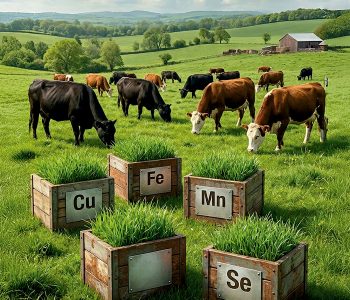
Latin America is characterized by predominantly grazing-based beef and dairy production systems, where forage serves as the foundation of ruminant nutrition. While energy and protein often receive most of the attention, there is another factor that is frequently underestimated yet can significantly limit productivity: mineral nutrition.
Grazing animals depend almost entirely on forage, water, and occasionally soil ingestion to meet their mineral requirements. This dependence makes them particularly vulnerable to mineral imbalances and deficiencies, which can result in lower conception rates, reduced weight gain, increased susceptibility to disease, and ultimately significant economic losses.
No other factor has as much potential to increase livestock productivity in the region at such a low cost as proper mineral supplementation.
However, in grazing systems it is often difficult to identify which mineral is acting as the limiting factor. While it is relatively straightforward to supply a mineral premix in confinement systems according to nutritional requirements, diagnosis and supplementation become much more challenging under pasture-based conditions.
Although the most abundant minerals and those required in the greatest quantities are the so-called macrominerals (such as calcium and phosphorus), this article focuses on trace minerals, also known as microminerals.
But let’s start from the beginning: what are trace minerals and why are they important?
The classification criterion: quantity
In animal nutrition, minerals are divided into two major groups based on the amount required by the animal and their concentration within the body.
The dividing line is purely quantitative and does not reflect biological importance: both groups are essential for life, health, and productivity. The difference lies simply in the concentration required in the diet.
Table 1. Classification of essential minerals in ruminants according to nutritional requirements.
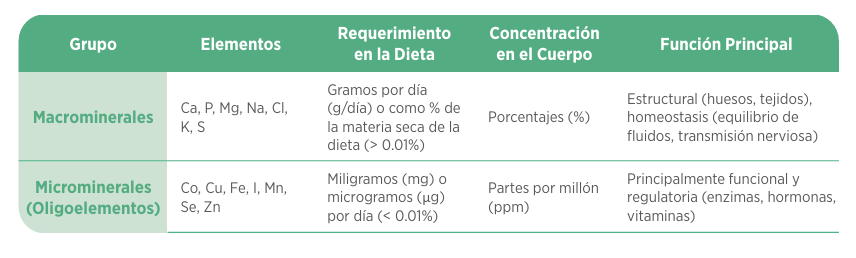

Adapted from Underwood & Suttle (1999) and McDowell (2012). Listed elements correspond to essential minerals recognized for ruminants under practical production conditions.
Trace minerals are required in extremely small amounts, yet they act as critical components in complex biological mechanisms. Most are part of enzymes, hormones, or vitamins and catalyze vital metabolic reactions. The seven classical trace minerals for ruminants are:
- Cobalt (Co): Essential for vitamin B12 synthesis by rumen microorganisms, playing a key role in energy metabolism and red blood cell formation.
- Copper (Cu): Involved in hair pigmentation, bone formation, immune function, and iron metabolism; an important component of antioxidant enzymes.
- Zinc (Zn): Critical for skin and hoof integrity, wound healing, immunity, and reproductive function.
- Iron (Fe): Central component of hemoglobin and myoglobin; deficiencies are rare in adult grazing animals.
- Manganese (Mn): Essential for bone development, carbohydrate and lipid metabolism, and reproductive performance.
- Selenium (Se): A key antioxidant as part of glutathione peroxidase; works synergistically with vitamin E to protect cellular membranes.
- Iodine (I): Fundamental component of thyroid hormones (T3 and T4), which regulate basal metabolic rate, growth, and thermoregulation.
These seven trace minerals have historically shown deficiencies under field conditions across Latin America and globally and therefore form the core of most supplementation programs.
An eighth element, molybdenum (Mo), is considered biochemically essential, but natural deficiencies in ruminants are extremely rare. Ironically, in Latin America the problem is usually not deficiency but excess molybdenum, which interferes with copper absorption and exacerbates copper deficiency.
Finally, there is a group of “emerging” or still-debated elements—including chromium (Cr), nickel (Ni), silicon (Si), fluorine (F), tin (Sn), vanadium (V), and arsenic (As). Although some studies have demonstrated physiological roles under controlled conditions, practical requirements for ruminants have not been established, and spontaneous deficiencies have not been documented under grazing conditions. Therefore, their inclusion in commercial mineral formulations is not justified by current evidence.
Evolution of trace mineral requirements
The publication of the revised 8th editions of the nutrient requirements for beef and dairy cattle (Nutrient Requirements of Beef Cattle, NASEM 2016; and Nutrient Requirements of Dairy Cattle, NASEM 2021) introduced significant updates compared with previous NRC editions. These adjustments reflect a better understanding of mineral metabolism and the actual needs of animals in modern production systems.
Table 2. Evolution of NRC/NASEM trace mineral requirements for ruminants.
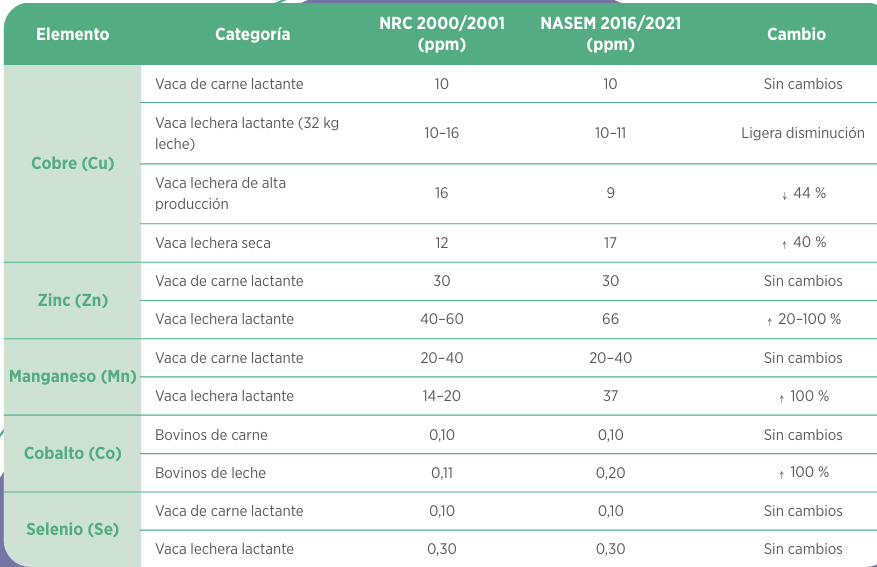

Note: Values correspond to concentrations in total diet dry matter. Sources: NRC (2000, 2001); NASEM (2016, 2021).
In summary, the major changes included:
- For dairy cattle, requirements for zinc, manganese, and cobalt increased substantially, reflecting their important roles in immunity, fertility, and milk production.
- Copper requirements for high-producing dairy cows were reduced, recognizing that excessive levels may become toxic and that supplementation should be carefully adjusted, especially in systems utilizing copper-rich by-products.
- Requirements for beef cattle remained relatively stable, although current research suggests that supplementation above minimum recommendations may be necessary in grazing systems affected by multiple mineral deficiencies.
What field diagnostics reveal
Beyond theoretical requirements, field diagnostics reveal substantial mineral gaps under commercial production conditions.
Schaeffer et al. (2025) analyzed nearly 1,500 bovine liver samples submitted for diagnostic evaluation in California (857 beef cattle and 638 dairy cattle). Overall, 73% of beef cattle and 45% of dairy cattle were deficient in at least one trace mineral.
In beef cattle, the most common deficiencies were selenium (46%), manganese (39%), and copper (33%). In dairy cattle, deficiencies were primarily manganese (37%), selenium (10%), and copper (5%). The higher incidence observed in beef cattle was attributed to the fact that these animals typically receive free-choice mineral supplementation, whereas dairy cattle generally consume total mixed rations containing mineral supplements.
Interestingly, a significant proportion of dairy cattle showed excessive copper and selenium concentrations, indicating potential over-supplementation.

Regional overview of trace mineral deficiencies in Latin America
Available information regarding trace mineral deficiencies in Latin American grazing systems remains fragmented and largely originates from isolated research projects, clinical case reports, graduate theses, and gray literature.
Comprehensive and up-to-date regional surveys are still lacking, making it difficult to accurately estimate the true prevalence of these deficiencies.
Nevertheless, existing studies consistently reveal common patterns that can help guide diagnosis and supplementation programs.
Selenium: clinically documented deficiency
Selenium deficiency is one of the most widespread mineral problems across the region.
In Uruguay, native pastures frequently contain selenium concentrations at the lower limit of animal requirements (approximately 0.10 ppm), and cases of white muscle disease have been documented in calves.


In Argentina, parenteral supplementation with selenium and vitamins improved immune response and post-weaning weight gain in heifers (Mattioli et al., 2020).
In Chile, intraruminal selenium boluses increased glutathione peroxidase activity for up to 145 days in replacement heifers, while severe selenium deficiency has also been reported in goats.
Studies from Mexico and Ecuador similarly confirm the importance of selenium supplementation for improving reproductive performance, antioxidant status, and muscle development.
Selenium deficiency remains one of the most consistently documented trace mineral deficiencies across Latin American grazing systems.
Copper: low forage levels with variable expression
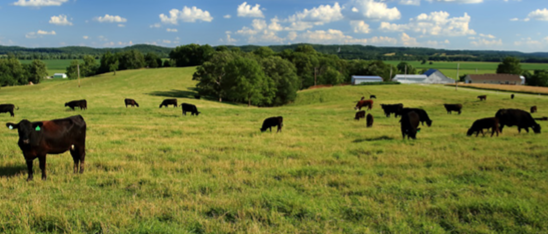
Copper concentrations in regional pastures are often below recommended levels.
In Uruguay, historical average forage concentrations have been reported at approximately 6.8 ppm, with more recent surveys finding values as low as 5.4 ppm in oats and ryegrass.
Despite these low forage levels, only a relatively small percentage of farms exhibit clinical copper deficiency, suggesting compensation through selective grazing behavior or hepatic reserves.

Studies in Argentina, Chile, and Panama have similarly documented variable responses, highlighting the importance of mineral bioavailability and interactions with antagonistic elements such as molybdenum and sulfur.
Copper deficiency has been associated with impaired ovarian cyclicity, placental retention, compromised immunity, and reduced productivity.
Zinc: the paradox of adequate forage levels but deficient blood concentrations
Zinc presents a particularly interesting challenge. Forage concentrations are often considered adequate, yet blood analyses frequently reveal zinc deficiency.
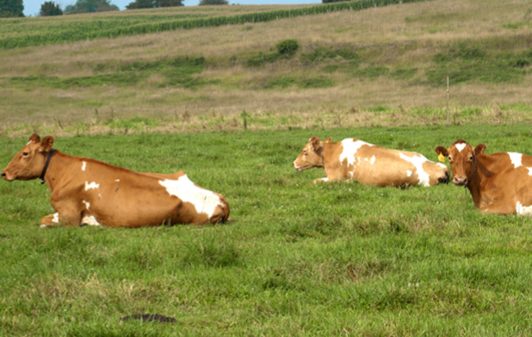

In Uruguay, nearly one-third of farms evaluated showed low blood zinc concentrations in a substantial proportion of animals.
Research in Argentina suggests that interactions with iron, calcium, phosphorus, and phytates may reduce zinc availability despite adequate dietary concentrations.
Zinc status cannot be inferred solely from forage concentrations. Mineral antagonisms play a critical role in determining actual zinc availability to the animal.
Collectively, evidence from multiple Latin American countries confirms that selenium, copper, and zinc deficiencies remain common challenges in grazing-based livestock systems.
Consequently, trace mineral supplementation programs should be based on objective regional or farm-level diagnostics and prioritize highly bioavailable mineral sources whenever possible.
Balance is key
Although mineral deficiencies are the most common problem in the predominant grazing systems of Latin America, supplementation without technical criteria can lead to excesses that also negatively affect animal health and productivity. Consider a few practical examples:
- Copper (Cu):
More than 90% of dairy farms in the United States and Canada supplement copper above requirements, often at levels 70–80% higher than recommended (Overton & Yasui, 2014; Weiss, 2020), approaching concentrations associated with toxicity. In sheep, copper intoxication is even more common, with documented cases in Uruguay linked to clover pastures containing low molybdenum concentrations (Alonso & Decía, 1988). - Selenium (Se):
The margin between deficiency and toxicity is relatively narrow. Pasture concentrations above 5–8 ppm may cause chronic selenium toxicity (selenosis), characterized by hair loss, hoof deformities, reduced feed intake, and poor performance. In dairy cattle, empirical supplementation has resulted in excessive hepatic selenium concentrations in 20–30% of animals in some studies. - Fluorine (F) and other contaminants:
Commercial mineral supplements may contain potentially harmful elements such as fluorine, sulfur, selenium, or copper. Without proper formulation and technical guidance, these contaminants can pose significant risks to animal health (Schild, 2022; Jubb & Crough, 1988).
More supplementation is not always better. Excessive mineral intake can be as detrimental as deficiency.
Furthermore, it is important to remember that minerals interact with one another. Excessive concentrations of one mineral may induce deficiencies of another.
For example, elevated molybdenum (Mo) or sulfur (S) levels interfere with copper absorption, worsening copper deficiency even when dietary copper supply appears adequate. Similarly, outbreaks of hypomagnesemia have demonstrated how high concentrations of potassium (K) and nitrogen (N) in pasture can reduce magnesium absorption and trigger clinical disease.
The evolution of official nutrient requirements reflects our growing understanding of the true needs of modern animals. In grazing systems across Latin America, where multiple deficiencies frequently coexist, the greatest risk remains inadequate mineral supply. Nevertheless, the potential consequences of over-supplementation should not be ignored.
The goal should always be balance: neither deficiency nor excess.
Prevention and management strategies
Addressing trace mineral deficiencies in grazing systems is a significant technical challenge. There are no universal solutions; however, when the limiting mineral is correctly identified and corrected, supplementation often delivers one of the most favorable cost-benefit returns available in livestock production.

1. Diagnosis: start with available information
Before implementing a trace mineral supplementation program, it is essential to understand which deficiencies are common in the region.
The most valuable resources include local scientific literature, veterinary diagnostic laboratories, extension services, and the practical experience of nutritionists and producers working in the area.
In many Latin American regions, selenium, copper, and zinc deficiencies are already well documented and provide a useful starting point for designing supplementation programs.
Forage mineral analyses are often reserved for specific situations, such as suspected molybdenum or iron antagonism, or when fine-tuning mineral formulations.
2. Selecting and interpreting biological samples
If animal testing is performed, the first step should be consulting with a laboratory or specialist to determine which tissue provides the most reliable assessment for the mineral of interest.
For example:
- Liver tissue is generally the best indicator of copper status because plasma concentrations may remain normal even when liver reserves are depleted.
- Whole blood selenium reflects the animal’s status over the previous several months, whereas liver concentrations provide a longer-term assessment.
- Plasma or serum zinc is commonly used to evaluate zinc status, although concentrations may temporarily decrease during stress or inflammation without indicating a true deficiency.
Importantly, a laboratory result alone does not constitute a diagnosis. Results must be interpreted alongside regional history, production records, clinical signs, animal category, and season.
Diagnostic interpretation should always integrate laboratory data with local knowledge and field observations.
3. Strategic trace mineral supplementation
The most practical approach is usually to provide free-choice mineral supplements specifically formulated for the region and animal category.
When dietary antagonists are suspected—such as iron contamination from soil, molybdenum-rich alkaline soils, or elevated sulfur concentrations in water—organic mineral sources (chelates or proteinates) may offer advantages because they are less likely to form insoluble complexes in the rumen.
However, evidence remains inconsistent across all situations, and supplementation decisions should ideally be supported by technical advice and, whenever possible, by local field evaluations.
Regarding supplementation methods, long-acting intraruminal boluses have proven effective for supplying selenium and copper over several months in heifers and young goats, reducing the need for frequent handling and labor (Heufemann, 2011; Rodríguez Patiño et al., 2024).
Injectable supplementation can be useful for rapid correction of deficiencies or during critical physiological periods (for example, selenium and vitamin supplementation at weaning). However, injectable products should not be viewed as substitutes for continuous oral supplementation because their effects are temporary and generally do not establish long-term mineral reserves (Mattioli et al., 2020).
The most robust strategy often combines both approaches when appropriate: strategic injectable supplementation during high-risk periods together with a well-designed oral mineral program throughout the year.
4. Grazing management, innovation, and response trials
Mineral requirements increase during periods of rapid growth, lactation, and favorable forage production conditions. Consequently, trace mineral supplementation should be maintained year-round, with particular attention during periods of highest nutrient demand.
In regions where severe deficiencies have been documented, supplementation may need to continue beyond the rainy season to allow animals sufficient time to rebuild body mineral reserves.
Recent research has explored innovative approaches such as enriching pastures through the application of manure from supplemented animals, thereby helping recycle nutrients within the production system (Moscuzza & Fernández, 2012; Mississippi State University Extension, 2023). While promising, these approaches still require further validation under commercial grazing conditions.
The strongest evidence that a trace mineral is limiting performance is a measurable positive response following targeted supplementation.
When a specific trace mineral deficiency is suspected, producers can implement a targeted supplementation program—not a broad mineral cocktail—for a defined period (for example, three months) and compare productive or reproductive outcomes against previous herd performance or a control group.
Final thoughts
For producers seeking maximum efficiency from grazing systems, ignoring trace minerals is comparable to running a high-performance engine on low-quality fuel.
While zinc often appears to be one of the most commonly deficient trace minerals in Latin American forage systems, copper and cobalt frequently compete closely as limiting nutrients depending on the region and production system.


The key to success is not identifying a single limiting mineral, but rather recognizing that multiple trace mineral deficiencies often coexist in grazing systems.
As a result, supplementation programs should be comprehensive, balanced, and adapted to the specific conditions of each region and production system.
Investing in proper trace mineral nutrition is undoubtedly one of the highest-return and lowest-cost management decisions available to grazing livestock producers in Latin America.
Although available information remains fragmented and is often derived from localized studies, the overall body of evidence consistently indicates that selenium, copper, and zinc deficiencies represent common productivity constraints throughout the region.
The complexity of diagnosis and the variability of supplementation responses should not lead to inaction. Instead, they highlight the importance of a more strategic and evidence-based approach to mineral nutrition.
Investing in a thorough understanding of local conditions—whether through regional information, targeted diagnostics, or both—and selecting highly bioavailable mineral sources are essential steps for transforming a silent limitation into a productive opportunity.
Trace mineral nutrition is not a luxury—it is a high-return investment for grazing livestock production across Latin America.