


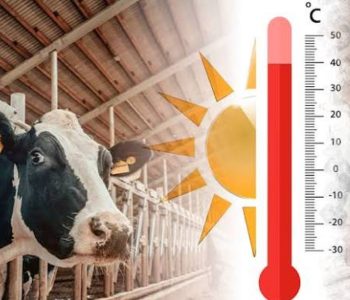
Heatwaves squeeze UK dairy output as heat stress hits cows and grass
Extreme heat across Great Britain in May, June and July 2026 has disrupted milk production, reduced cow intakes and slowed grass growth, highlighting the growing challenge that heat stress poses to dairy systems.
A succession of intense heatwaves has put pressure on the British dairy sector, with heat stress in cows, reduced dry matter intake and deteriorating forage conditions combining to pull milk production sharply below its earlier seasonal trend.
According to analysis from the Agriculture and Horticulture Development Board (AHDB), Great Britain experienced three significant heatwaves during May, June and July, with temperatures exceeding 35°C in all three months for the first time. By mid-July, AHDB estimated that the first two events alone had reduced milk production by approximately 18.5 million litres. :contentReference[oaicite:0]{index=0}
The disruption has been large enough to shift the British dairy market from a period of excess milk supply toward temporary undersupply, illustrating how quickly extreme weather can change dairy market conditions.
Milk production falls as temperatures climb
Before the first major heatwave, GB milk production was running approximately 1.6% to 2.0% above the five-year average. During the late-May event, when temperatures reached a record 35.1°C, output fell sharply and AHDB estimates around 5.8 million litres were lost before production recovered. :contentReference[oaicite:1]{index=1}
The second heatwave at the end of June was even more severe. Temperatures reached 37.7°C on 26 June, setting another record. In the short period before that event, production had again been running about 2% above the five-year average, but at the peak of the heatwave the seven-day rolling average dropped to 2.9% below the benchmark. AHDB estimates that this second event reduced output by around 12.7 million litres through early July. :contentReference[oaicite:2]{index=2}
The broader quarterly data also show the slowdown. GB milk deliveries declined year on year through the second quarter, falling by 0.1% in April, 0.9% in May and 3.1% in June, although heat was not the only factor involved. Lower milk prices, volume-management schemes and structural changes in the dairy herd also contributed to weaker supply. :contentReference[oaicite:3]{index=3}
The heatwave effect should not be interpreted in isolation: milk prices, production controls and seasonal decline were also influencing volumes. However, the sharp falls coinciding with extreme temperatures indicate that heat stress was an important additional driver.
Why dairy cows are so vulnerable to heat
High-producing dairy cows generate substantial metabolic heat as they digest feed and synthesise milk. When ambient temperature and humidity rise, the animal’s ability to dissipate that heat becomes increasingly limited.
Heat-stressed cows typically respond by reducing feed intake, increasing water consumption, standing for longer periods and spending more time attempting to cool themselves. These behavioural responses protect the animal from excessive body temperature, but they also reduce the nutrients available for milk synthesis.
UK studies indicate that dairy cows can begin to experience heat stress at temperatures around 19–20°C, particularly when humidity is elevated. At approximately 25°C, dry matter intake may decline by around 8–12%, with corresponding effects on milk yield and animal health. :contentReference[oaicite:4]{index=4}
For dairy cows, temperature alone does not determine risk. Humidity, airflow, solar radiation and warm night-time conditions all influence whether animals can effectively dissipate metabolic heat.
The effects extend beyond today’s milk tank
The most visible consequence of heat stress is reduced milk production, but the biological effects can persist well after temperatures fall.
Prolonged heat exposure can influence fertility, rumen function, immune status and milk composition. Research cited in UK industry guidance indicates that elevated temperature-humidity conditions can reduce conception rates and depress milk components such as fat and protein. AHDB also warns that some health and fertility impacts may continue for weeks or even months after a heatwave. :contentReference[oaicite:5]{index=5}
This delayed effect means the full economic cost of a heatwave cannot necessarily be measured from milk deliveries during the hottest days alone. Lower fertility today, for example, may alter calving patterns and future herd productivity months later.
Heat stress is not only a short-term production problem. Its effects on reproduction, health and rumen function can influence herd performance long after temperatures return to normal.
Grass and forage supplies come under pressure
The challenge is not limited to the cow. Hot, dry conditions can simultaneously reduce grass growth and forage availability, creating a second layer of nutritional pressure.
When soil moisture declines, pasture growth may slow sharply or stop altogether. Grazing cows then have access to less fresh forage at exactly the same time that heat stress is already suppressing appetite.
On affected farms, producers may be forced to introduce conserved forage or winter silage earlier than planned. This can protect short-term intake but creates concerns about forage stocks later in the year, particularly if dry conditions persist.
This interaction between animal heat stress and forage scarcity is particularly important in grazing-based systems. Cows may graze less during the hottest periods of the day while the pasture itself is producing less feed, intensifying the decline in nutrient intake.
Heatwaves can create a double nutritional challenge: cows voluntarily eat less while farms simultaneously have less grass available to offer them.
Daily milk deliveries reveal an unusual disruption
An analysis by the Energy and Climate Intelligence Unit (ECIU) of 19 years of daily milk delivery data suggests that the May and June heatwaves produced some of the largest heat-related daily declines seen in the available record.
On 26 May, milk deliveries fell nearly 4% below the preceding week’s average, equivalent to around 3.2 million pints. During the May heatwave as a whole, the shortfall was estimated at 8.3 million pints. On 26 June, deliveries fell approximately 4.3%, and the cumulative June shortfall reached about 9.4 million litres, or 16.5 million pints. Combined, the two events represented the equivalent of around 25 million fewer pints delivered from farms compared with normal patterns. :contentReference[oaicite:6]{index=6}
These figures do not mean that 25 million pints of milk were discarded. Rather, they describe milk that was not produced or delivered compared with expected volumes, illustrating the magnitude of the disruption.
The May and June events produced a pattern more commonly associated with severe winter disruption, showing that extreme heat can now create shocks comparable with those historically linked to extreme cold.
A rapid shift from surplus to tighter supply
The production decline has also influenced dairy markets. Earlier in 2026, strong milk output had created concerns about oversupply, contributing to pressure on farmgate values. The heatwaves quickly changed that picture.
AHDB reports that the sector moved from oversupply toward undersupply in the short term, with spot milk prices recovering by around 10 pence per litre as available volumes tightened. Commodity markets also found support as processors adjusted how limited milk supplies were allocated. :contentReference[oaicite:7]{index=7}
This rapid reversal demonstrates how weather shocks can affect not only farm productivity but also processing decisions and dairy commodity prices. When raw milk availability falls suddenly, processors may prioritise higher-value products, potentially changing the balance between liquid milk, cheese, butter, cream and powders.
Extreme weather can turn an apparently well-supplied dairy market into a much tighter one within weeks, creating volatility throughout the processing chain.
Managing heat stress becomes a production priority
The 2026 heatwaves reinforce the need for British dairy farms to treat heat management as a routine component of herd planning rather than an occasional emergency response.
Potential management strategies include:
- Providing continuous access to abundant clean, cool drinking water.
- Increasing shade in grazing areas and collecting yards.
- Improving natural or mechanical ventilation in housing.
- Using fans and carefully managed cooling systems where appropriate.
- Adjusting grazing and milking schedules to avoid the hottest parts of the day.
- Offering fresh feed more frequently and monitoring dry matter intake.
- Reviewing ration formulation when intake falls to maintain nutrient density and rumen stability.
- Monitoring temperature and humidity rather than relying on air temperature alone.
Previous UK research has shown that heat stress can result in substantial economic losses. One multi-farm study estimated average predicted losses of around 138 litres of milk per housed cow during the monitored summer period, with herd-level financial losses ranging from £24,000 to £90,000. :contentReference[oaicite:8]{index=8}
Early intervention is critical. By the time a large fall in milk yield is visible, cows may already have experienced several days of reduced intake and physiological heat stress.
Heat joins cold as a major dairy production risk
British livestock systems have traditionally been designed with wet winters and cold weather in mind. The events of 2026 demonstrate that extreme heat increasingly requires the same level of planning.
For farms, that may mean additional investment in shade, ventilation, water infrastructure and monitoring. For the wider supply chain, resilience may also require sufficient cooling and transport capacity to keep milk at appropriate temperatures during unusually hot conditions.
The challenge is particularly significant because some heat-related effects are cumulative. Consecutive hot days combined with warm nights reduce the opportunity for animals to dissipate accumulated body heat and recover before the next day.
The 2026 heatwaves show that heat stress is no longer a marginal issue for UK dairy production. Protecting cow comfort, forage supply and farm resilience will become increasingly important for maintaining milk output during hotter and more variable summers.
Sources and references
- Agriculture and Horticulture Development Board (AHDB). How have the recent heatwaves impacted GB milk production? July 2026.