Climate change and mycotoxins: a growing challenge for global animal feed
Global agriculture has always been shaped by climate. From the earliest crop domestication systems to modern feed production chains, environmental conditions continue influencing where and how food is produced. Today, however, climate change is creating new challenges that extend far beyond crop yields alone.
One of the most important emerging concerns is the growing relationship between climate change, feed safety, and mycotoxin contamination. As temperatures rise and weather patterns become increasingly unstable, fungal contamination risks are expected to intensify across global feed supply chains.
Climate change is not only reshaping agricultural production, but also increasing the risk of mycotoxin contamination in animal feed worldwide.
Agriculture and climate: a long historical connection
Modern civilization was built upon agriculture, and climate has always been one of the main drivers behind crop domestication and food production systems.
The first agricultural revolution emerged approximately 10,000 years ago in the Fertile Crescent, where favorable environmental conditions allowed the domestication and cultivation of crops.
Even today, global agriculture remains highly dependent on climate suitability. Although farming technologies have advanced considerably, the global food and feed system is still dominated by a relatively small number of crops.
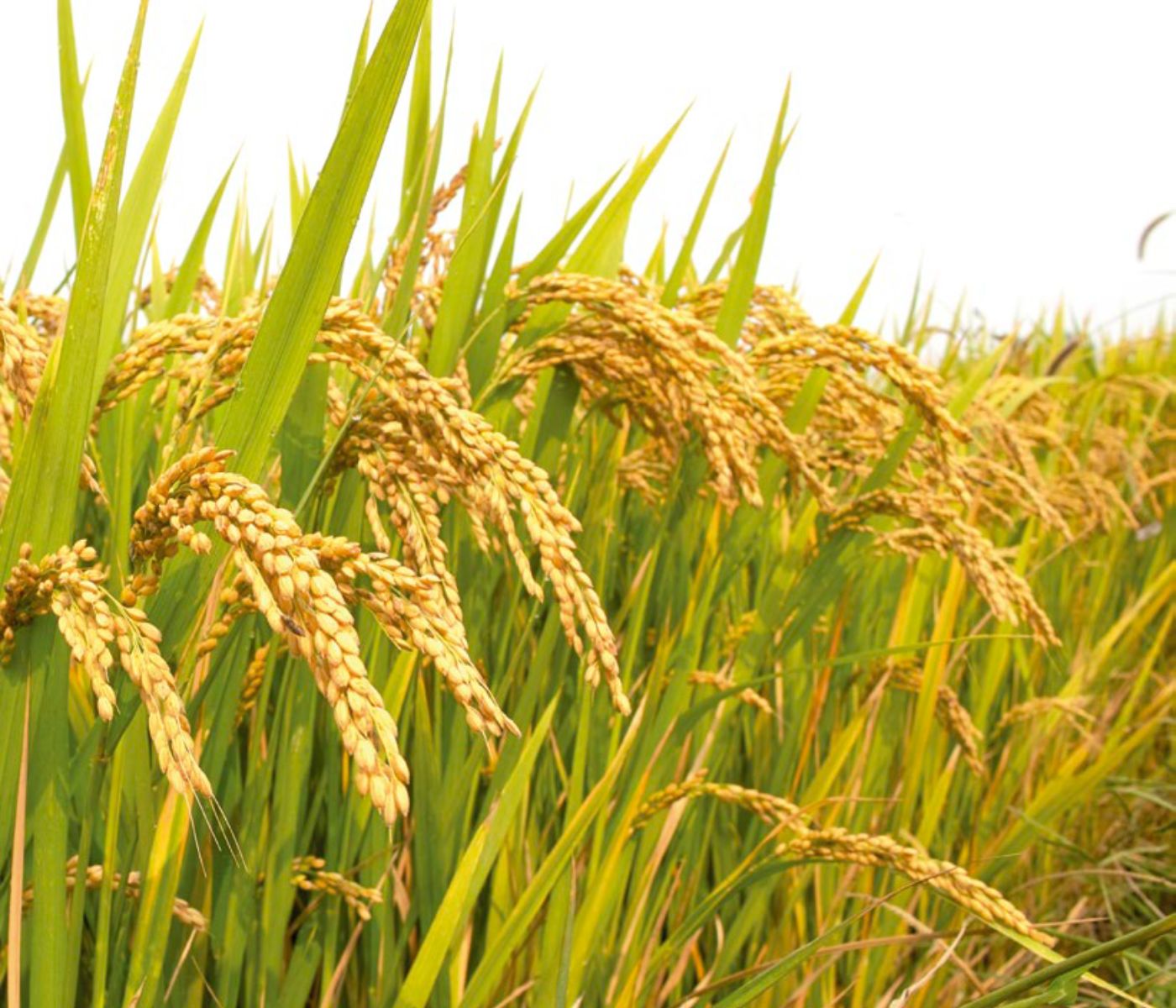
The top global crops — including corn, soybeans, wheat, rice, rapeseed, and barley — account for most of the world’s agricultural production and economic value.
The strategic role of soybeans and feed commodities
Among feed ingredients, soybeans remain one of the most strategically important crops for animal nutrition. Although soybeans represent a relatively small percentage of global agricultural production by volume, they contribute disproportionately to crop value due to strong demand and high market importance.
More than 75% of global soybean production is processed into soybean meal, and approximately 97% of soybean meal is used in animal feed. This makes soybeans one of the principal protein sources for:
- Swine production
- Poultry nutrition
- Aquaculture
- Livestock feeding systems
Corn, wheat, barley, rapeseed, sunflower meal, and cottonseed products also play major roles in global feed formulation systems.
The animal feed industry depends heavily on a limited number of globally traded agricultural commodities.
Global asymmetry in feed production
Production of major feed commodities is geographically concentrated in temperate and subtropical regions with favorable agroecological conditions and developed agricultural infrastructure.
For example:
- The United States, China, and Brazil dominate corn production.
- The United States, Brazil, and Argentina account for most global soybean production.
- Russia, Canada, the EU, and Australia are major exporters of wheat and barley.
Meanwhile, regions such as Southeast Asia remain highly dependent on feed imports due to climate limitations and restricted agricultural land availability.
Many rapidly growing livestock-producing regions rely heavily on imported feed ingredients, increasing their vulnerability to market disruptions and feed safety risks.
Climate change is reshaping agricultural geography
Climate change is expected to significantly alter global agricultural suitability over the coming decades.
Countries such as Russia and Canada may benefit from expanded agricultural potential as warming temperatures increase the suitability of northern regions for crop production.
At the same time, some of today’s largest agricultural producers — including parts of the United States, China, and India — could face:
- Heat stress
- Drought
- Water scarcity
- Reduced crop yields
- Greater production instability
Climate-driven shifts in crop production may significantly alter global feed supply chains and increase pressure on feed security systems.
Why mycotoxins are becoming a bigger threat
One of the major consequences of changing climate conditions is the increasing risk of fungal proliferation and mycotoxin contamination.
Mycotoxins are toxic secondary metabolites produced mainly by fungi from the genera:
- Aspergillus
- Fusarium
- Penicillium
The occurrence and severity of mycotoxin contamination are strongly influenced by environmental conditions such as:
- Temperature
- Humidity
- Rainfall patterns
- Storage conditions
- Post-harvest management
As temperatures rise and weather becomes increasingly variable, fungal ecology is expected to shift, potentially expanding contamination risks into new regions and production systems.
The occurrence, type, and severity of mycotoxin contamination are closely linked to temperature and humidity conditions during crop production, harvest, transport, and storage.
Feed safety challenges in tropical regions
Tropical and subtropical regions may face especially important challenges because warm and humid conditions favor fungal development and post-harvest deterioration.
Countries with limited infrastructure or rapidly expanding agricultural sectors may encounter:
- Higher storage losses
- Increased pest pressure
- Greater fungal contamination risks
- Reduced feed ingredient quality
- Higher feed safety vulnerability
This situation reinforces the need for:
- Improved feed surveillance
- Better storage infrastructure
- Mycotoxin monitoring programs
- Alternative feed ingredients
- Enhanced feed safety strategies
Understanding how climate change influences feed production and mycotoxin dynamics will become increasingly important for maintaining global feed safety and animal performance.
Conclusion
Climate change is transforming agriculture at multiple levels — from crop production geography to feed ingredient availability and mycotoxin contamination risks.
As the global animal nutrition sector continues depending heavily on a limited number of feed commodities, the interaction between climate variability, fungal ecology, and feed safety will become increasingly critical.
For the feed industry, adapting to these challenges will require stronger monitoring systems, resilient feed strategies, improved infrastructure, and greater focus on sustainable and safe animal nutrition.
🔒 Contenido exclusivo para usuarios registrados.
Regístrate gratis para acceder a este post y a muchos más contenidos especializados. Solo te llevará un minuto y tendrás acceso inmediato.
Iniciar sesiónRegístrate en nutriNews
REGISTRARME