


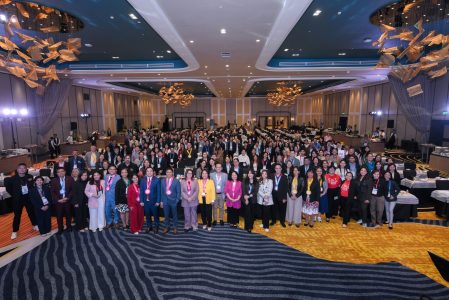
The inaugural Global Pet Nutrition Forum brought together 300 participants from industry, academia, government, and media at Solaire Resorts in Manila on March 18. Organized by Nexus Training and Development Services, the event marked a significant step in positioning the Philippines as a hub for pet nutrition science and innovation in Asia. Sessions moved from market realities and scientific insights to manufacturing advances, safety systems, and future collaboration.
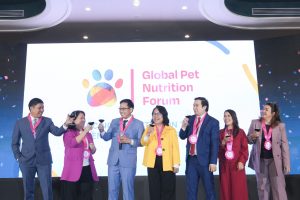

Rising pet ownership, rising nutrition demands
Constante Palabrica, Undersecretary of Agriculture for Livestock, opened the forum by stressing that animal health and food safety are inseparable from national development. He noted that animals are increasingly regarded as companions and family members whose welfare must be protected. Dr Palabrica urged collaboration among researchers, veterinarians, and industry leaders to ensure innovation produces safe, high-quality products.
Christian Daquigan of the Bureau of Animal Industry linked these priorities directly to pet nutrition. He reported that nearly 90% of pet food consumed in the Philippines is imported, with Italy, Thailand, France, Vietnam, and the Czech Republic emerging as key suppliers. The pandemic accelerated the “humanization” of pets, driving demand for higher-quality diets and expanding the market to millions of households by 2025.

Dr Christian Daquigan
However, Dr Daquigan warned that many products sold online remain unregistered, with fraudulent certifications posing risks to pets and owners. He called for strict enforcement and collaboration to ensure safe, nutritious, and properly certified food.
Nutrition science and functional diets
Speakers from the University of the Philippines Los Baños (UPLB) emphasized the need for balanced, scientifically validated diets. Noel Lumbo highlighted that combining processed and minimally processed options is essential for pet health. He noted the rise of functional diets targeting joint, skin, and immune support, along with innovations such as probiotics and vitamins. Dr Lumbo cautioned that scientific validation and regulatory oversight are critical as consumer demand for organic and natural ingredients grows.
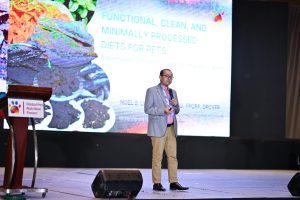
Dr Noel Lumbo
Dr Joseph dela Cruz of UPLB’s College of Veterinary Medicine presented findings showing nutritional gaps in home-prepared dog food and table scraps, which are traditionally fed to pets in the country. He stressed that scientifically formulated diets provide more consistent nutrient balance and safer outcomes. Dr Maria Rosario Racho-dela Cruz added that functional diets and natural ingredients are reshaping the market, but rising demand must be matched with transparent labeling and regulatory oversight to build trust.


Dr Joseph dela Cruz
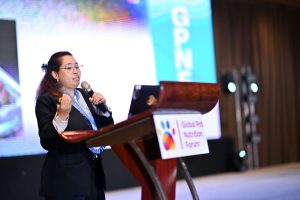
Dr Rosario de la Cruz
Sustainability and science at the core
The discussion then broadened to sustainability and production systems. Amado Angeles, Dean of the College of Agriculture and Food Science at UPLB, emphasized the importance of sustainable practices in livestock and pet nutrition. He highlighted programs that improve herd health, dairy management, and reduce environmental impact.
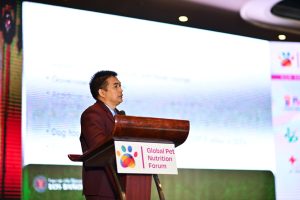
Dr Amado Angeles
Dr Angeles stressed that research must benefit smallholder farmers and be scalable nationwide. He pointed to the growing role of veterinarians, nutritionists, universities, and government in strengthening the pet nutrition ecosystem. Emerging areas of research include:
- ✅ The microbiome and its role in nutrition
- ✅ Animal protein by-products and their applications
- ✅ Integration of sustainability into production systems
He called for policies that balance innovation with responsibility, ensuring safe, sustainable, and equitable food systems.
Technology, safety, and trust
Technology’s expanding role in pet nutrition was another key theme. Josan Astrid Chug, Head of Product at X Foundation, discussed how artificial intelligence is evolving from a passive tool into an active partner in decision-making. She emphasized that AI can accelerate testing, predictive safety analysis, and optimization, but must remain anchored in human direction and scientific validation. Poor data or unchecked confidence in outputs, she warned, can amplify errors.

Josan Astrid Chug
Safety systems also took center stage. Rose Sheila Gatchalian, CWO of SMG FOCUS Training Consultancy Services, highlighted the critical importance of safety and quality management systems in the pet food industry. She warned of risks posed by biological, chemical, and physical hazards, noting that contamination and product recalls can harm pets, endanger human health, and damage company reputations.


Dr Rose Sheila Gatchalian
Dr Gatchalian emphasized that every pet has unique nutritional needs depending on age and size. She urged manufacturers to ensure that product claims are backed by rigorous verification and compliance with international standards such as GMP, HACCP, and ISO 22000.
Innovation in manufacturing and ingredients
Manufacturing innovation was another major focus. Conrado Bulanhagui, Vice President and Manufacturing Director of Vitarich Corporation, stressed that investment in scalable, well-designed systems is critical to avoid obsolescence and ensure competitiveness. He explained how extrusion technology, preconditioning, and precise control of moisture, temperature, and energy density shape product quality, palatability, and nutritional value.


Engr Conrado Bulanhagui
Energy density, he noted, is central to preventing obesity in pets, since small volumes of food can deliver high caloric loads. He detailed how processing parameters—gelatinization rates, pressure shifts, and cooling—affect efficiency and product consistency. Mr Bulanhagui also highlighted the importance of flexibility in equipment design, comparing single-screw and twin-screw extruders, and argued that future-proofing manufacturing requires integrating cheaper raw materials with advanced process controls.
Rolando Encarnacion of Pet Options underscored that pet nutrition must remain grounded in science while adapting to modern challenges. He pointed to phytogenics, antioxidants, and plant-based nutrients as promising tools to support immunity, joint health, and overall wellness, while warning that consistency and validation are essential.
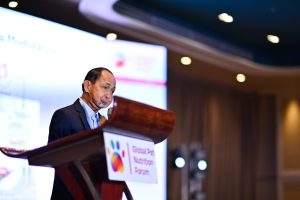
Dr Rolando Encarnacion
Chen Shin Yee of Pet World Nutritions explained that palatability goes beyond flavor, encompassing smell, texture, prior experiences, and packaging. She distinguished between preference and acceptance, noting that consistent intake is vital for long-term health, especially in therapeutic diets. Dr Chen highlighted species differences, with cats relying on olfactory cues and dogs responding to sweet tastes, underscoring the need for tailored formulations.
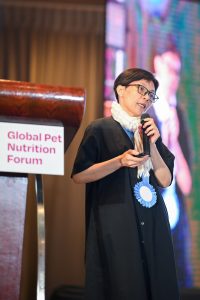
Dr Chen Shin Yee
Yanbin Shen of APC emphasized the versatility of plasma proteins in pet nutrition. He noted their ability to support immunity, reduce inflammation, and improve gut health while enhancing feed texture, durability, and palatability. Dr Shen stressed plasma’s superior amino acid profile compared to other protein sources and its role as a natural, multifunctional ingredient that aligns with consumer demand for cleaner labels.
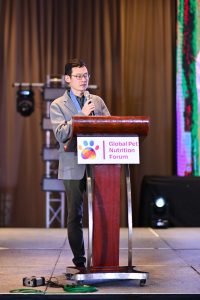
Dr Yanbin Shen
Looking ahead: Collaboration and growth
Allan Casajeros, Co-Founder of the Global Pet Nutrition Forum and President of Nexus Training and Development Services, reflected on the success of the inaugural event. He emphasized the value of bringing together experts, industry leaders, researchers, and stakeholders with strong potential to collaborate.

Allan Casajeros
“The most rewarding aspect of organizing the first Global Pet Nutrition Forum was seeing experts, regulators, and innovators in one room, united by a shared commitment to advance pet nutrition in the Philippines,” Casajeros said.
He noted that the forum identified several collaboration opportunities, including specialized courses in companion animal nutrition, research initiatives focused on local ingredients, and support for local producers to meet rising demand.
Participants described the forum as fresh and highly relevant to the evolving pet food industry. Many appreciated that topics were interconnected and centered around core pillars. These included safety, manufacturing, minimally processed diets, gut health, functional ingredients, artificial intelligence, plant-based ingredients, plasma proteins, and palatability.
Following the success of the inaugural event, organizers announced plans for the Global Pet Nutrition Forum 2027. The next forum is tentatively scheduled for March 18, 2027, at the Grand Ballroom of Solaire Resort in Parañaque City. It is expected to be larger in scale, with broader industry participation and a wider international presence.
The program will include advanced topics such as:
- ✅ Pet food extrusion technology
- ✅ Amino acid nutrition in companion animals
- ✅ Vitamin and mineral nutrition research
- ✅ Immunity and functional nutrition
- ✅ Alternative and sustainable protein sources
The goal for 2027 is to strengthen collaboration between industry, academia, and research institutions while positioning the Philippines as a growing hub for pet nutrition science, research, and innovation in Asia.