


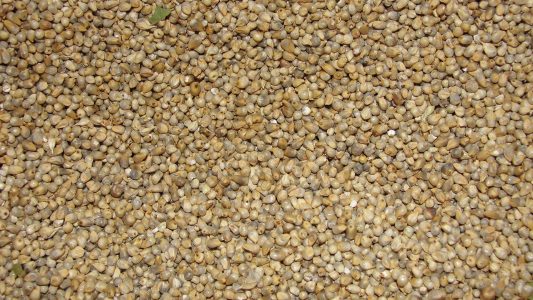
The Department of Agriculture (DA) is studying millet as a possible substitute for corn in animal feed. Corn remains the country’s main feed ingredient, but rising costs and climate pressures have made production increasingly difficult. Millet, a drought‑tolerant crop, requires less water and can thrive in dry conditions, offering a more resilient option for feed manufacturers and livestock raisers.
Agriculture Secretary Francisco Tiu Laurel Jr said he was encouraged to explore millet after learning about its use in India. The country has long adopted millet in livestock diets because of its adaptability and lower water requirements. Mr Laurel believes similar practices could help Philippine farmers reduce feed costs while strengthening resilience against El Niño and other climate risks.
Addressing feed costs and climate risks
Feed accounts for the largest share of livestock production expenses. Any disruption in corn supply directly affects poultry, swine, and ruminant sectors. Millet’s adaptability to marginal lands could help farmers maintain productivity even during prolonged droughts. The DA believes this shift will not only lower costs but also reduce vulnerability to global price swings.
Adoption will require careful evaluation. Farmers and feed manufacturers must assess whether millet can match corn’s nutritional value and whether processing adjustments are needed. The DA is working with research institutions to generate data that will guide future policy and investment decisions.
Complementary herd expansion program
Alongside feed diversification, the DA is also investing in herd expansion. The Philippine Carabao Center (PCC) recently inaugurated the world’s first laboratory dedicated to sex‑sorting buffalo semen. Located in Nueva Ecija, the facility cost USD 3.84 million and uses flow cytometry technology to separate X and Y chromosomes with about 90% accuracy.
This breakthrough allows farmers to choose the sex of offspring. Female calves will strengthen dairy production, while male calves can be raised for meat and draught work. The laboratory is expected to produce around 170,000 semen straws annually, significantly boosting the country’s capacity to expand its carabao population.
Local milk production currently meets less than 5% of national demand, leaving the Philippines heavily reliant on imports. By increasing the number of female carabaos, the DA aims to close this gap and build a stronger domestic dairy industry.
Toward a more resilient livestock sector
The millet feed trials and carabao herd expansion represent complementary strategies for strengthening Philippine agriculture, particularly its livestock and poultry sector. Millet adoption addresses the cost and resilience of feed inputs, while herd expansion targets productivity and supply in dairy and meat. Both initiatives align with the government’s broader goal of food security and rural development.
The DA’s approach underscores the need for innovation and diversification in tackling long‑standing challenges. By reducing dependence on imports and improving local production systems, the agency hopes to provide farmers with more income opportunities while ensuring a steady supply of food products.