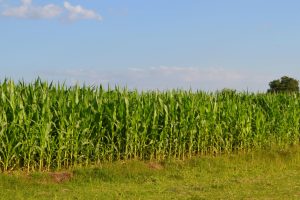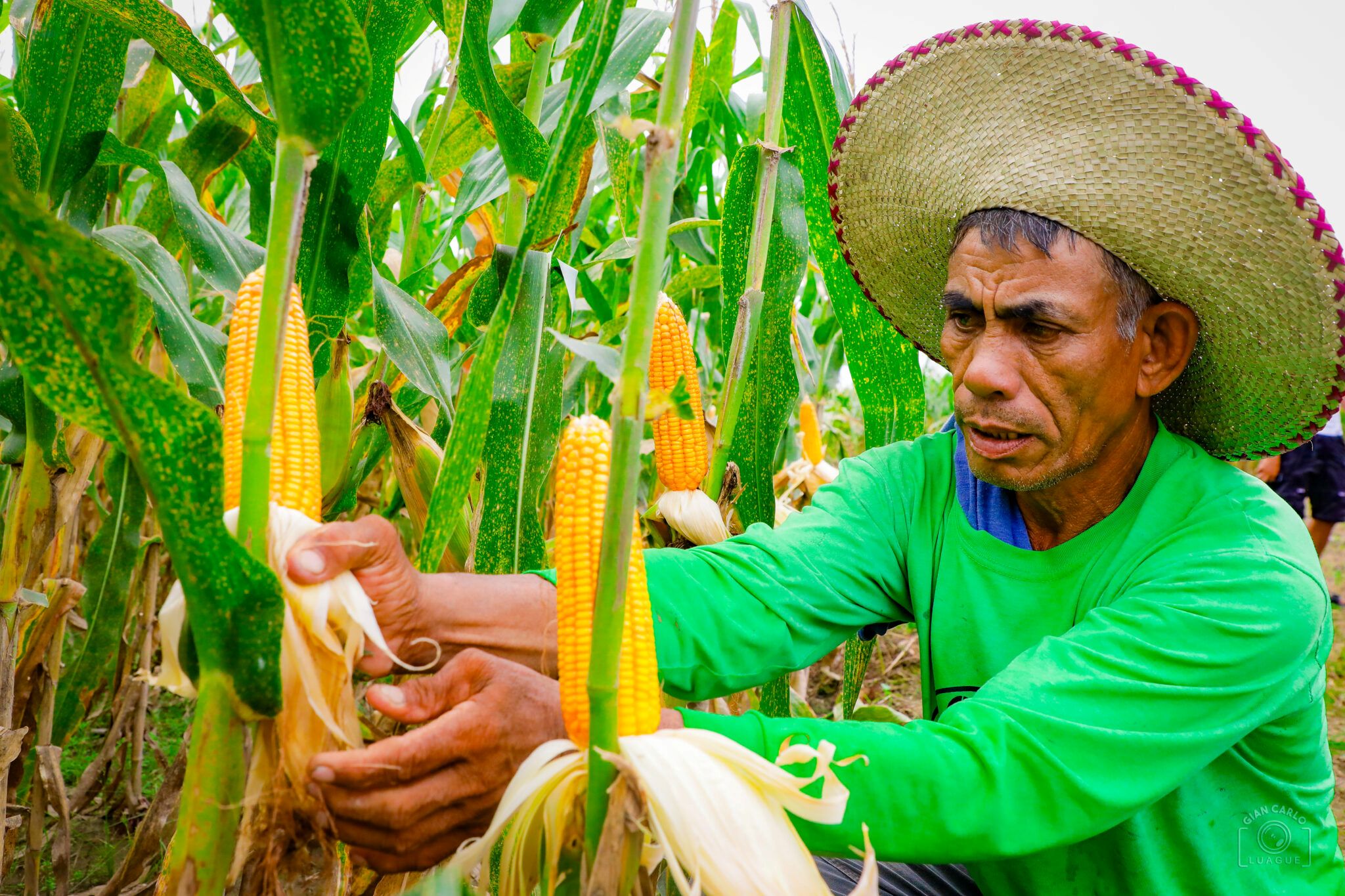
The Department of Agriculture (DA) has proposed raising the corn minimum access volume (MAV) to 500,000 tons, more than double the current 216,940 tons. Agriculture Secretary Francisco Tiu Laurel Jr the goal is to stabilize feed costs and shield livestock and poultry producers from supply risks. He said the plan was developed in consultation with stakeholders from the corn, livestock, and poultry industries before submission to the MAV Management Committee.
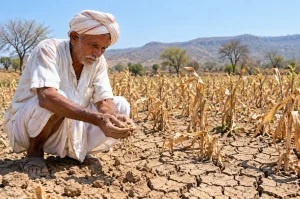
Mr Tiu Laurel explained that the increase anticipates possible supply tightness from weather-related risks, particularly a stronger El Niño later this year, and escalating production costs such as fertilizer and logistics.
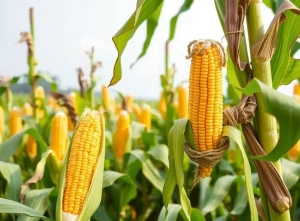
Industry groups have warned that corn production could face headwinds from elevated fertilizer costs and reduced planting intentions among growers. The Philippine Statistics Authority estimated 2025 corn output at 8.3 million tons, but officials fear this may not be enough to offset risks.
The DA also cited volatile energy markets and disruptions in shipping routes around the Strait of Hormuz, which have pushed up freight and fertilizer prices. These factors have raised production costs across the farm sector.

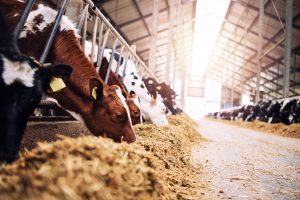
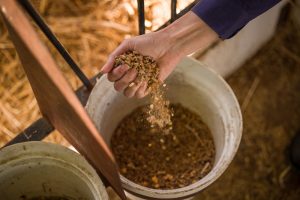
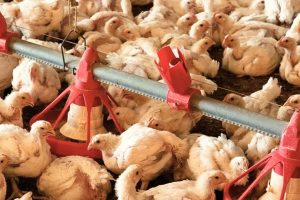
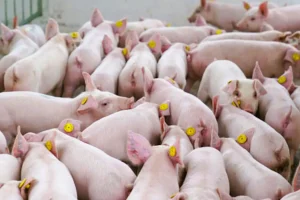
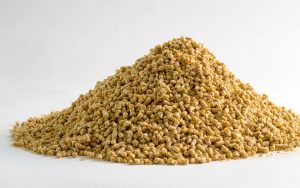
Yellow corn is a critical feed ingredient for poultry and livestock, representing one of the largest cost components in raising animals. Any sustained increase in feed prices directly affects the cost of chicken, eggs, pork, and other staples.
After months of subdued inflation, price pressures returned in March as Middle East tensions drove global oil prices higher. Philippine headline inflation rose to 4.1% in March, surged to 7.2% in April, and eased slightly to 6.8% in May.
Mr Tiu Laurel emphasized that stabilizing feed costs is essential to temper food price pressures and protect household purchasing power.

The DA stressed that the proposed MAV expansion is a temporary safeguard, not a permanent policy shift. Imports would be activated only when supply conditions warrant, ensuring local corn farmers are not unnecessarily displaced.
“This is a calibrated contingency measure to protect both producers and consumers,” Mr Tiu Laurel said. The department underscored its commitment to balancing domestic production support with the need to maintain food affordability.

Subscribe now to the technical magazine of animal nutrition
AUTHORS
From 2025 Data to 2026 Decisions: Managing Mycotoxin Risk in a Changing Climate
Alterion® NE Celebrates 10 Years of Poultry Gut Health Innovation
The Science Behind Kolin Plus: Beyond Choline Replacement
Summer Infertility in Sows: Managing Heat Stress and Reproductive Performance
AO-Biotics® Amaferm®: Supporting Livestock Digestion and Performance

Interview with Güner Gövenç
Güner Gövenç,
Net Energy and Precision Feeding Shape the Future of Poultry Nutrition
Edgar Oviedo
Mycotoxins in Swine: Health Risks and Nutritional Solutions
Giuseppe Carcò
Mycotoxins and Piglet Ear Necrosis: Cause, Cofactor or Coincidence?
Alberto Morillo
How Mycotoxins Affect Intestinal Health in Pigs and Poultry
Marcos Rostagno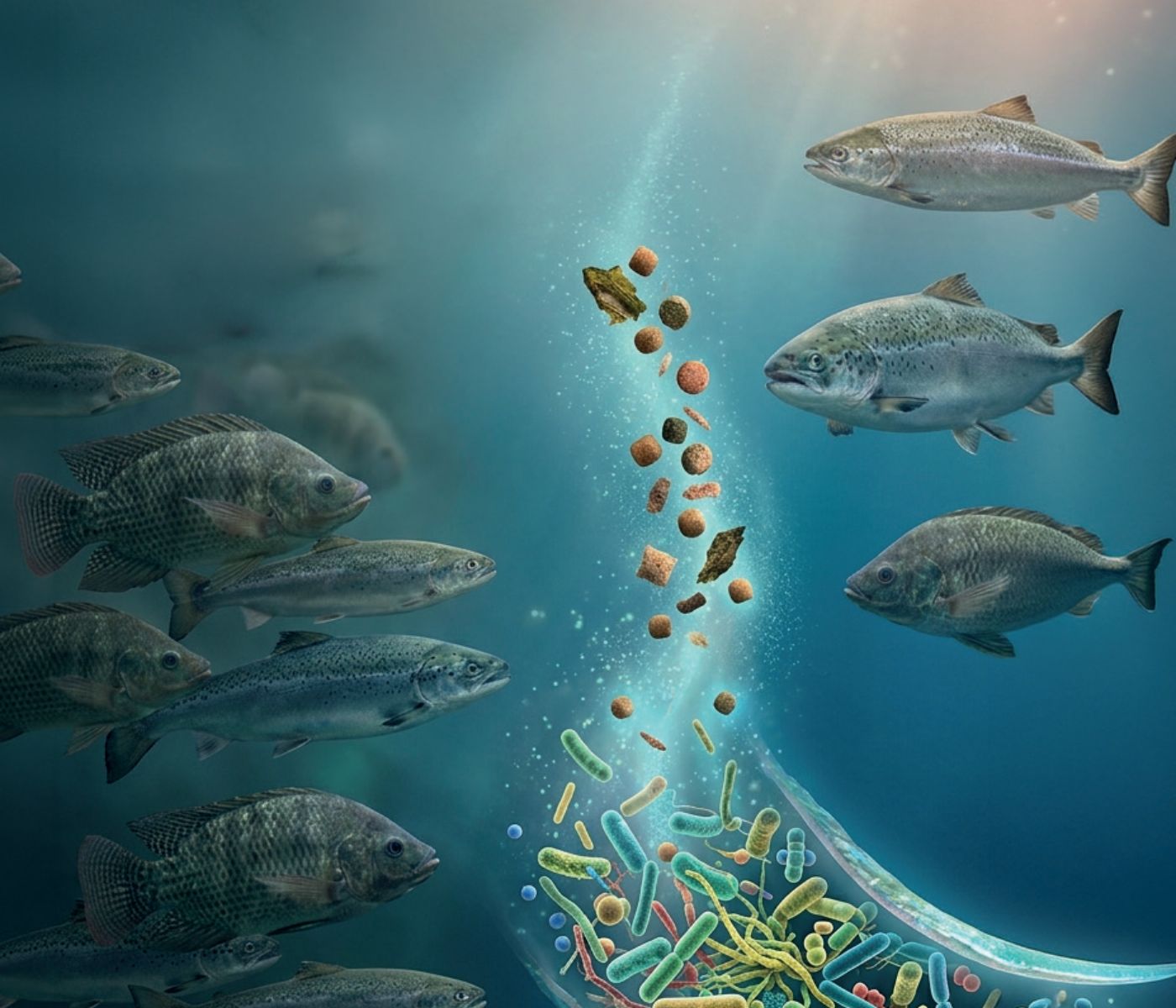
From Antibiotics to Functional Feeds in Aquaculture
Babatunde Saliu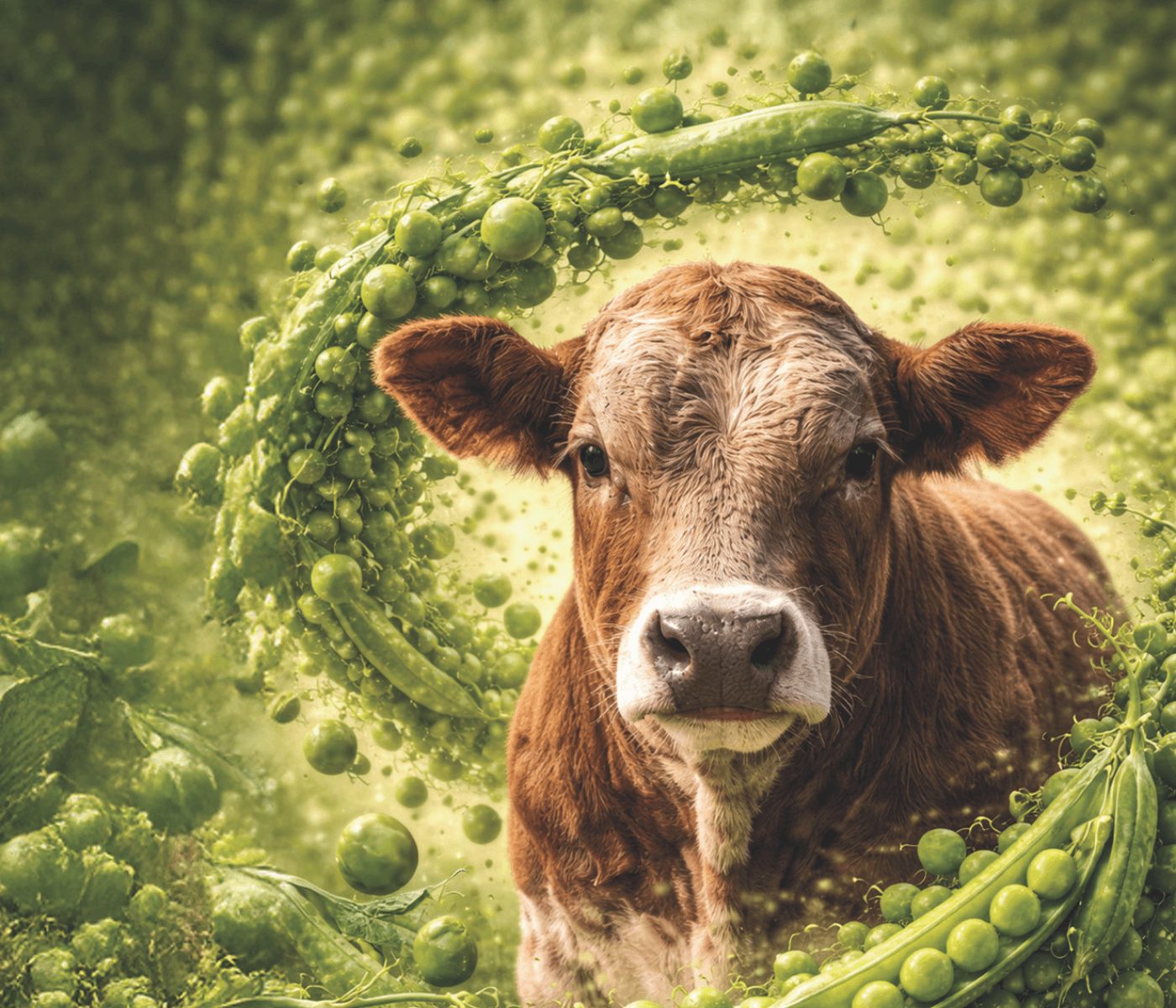
Peas as an Alternative to Soybean Meal in Beef Cattle Finishing Diets
Daniel Villalba Mata,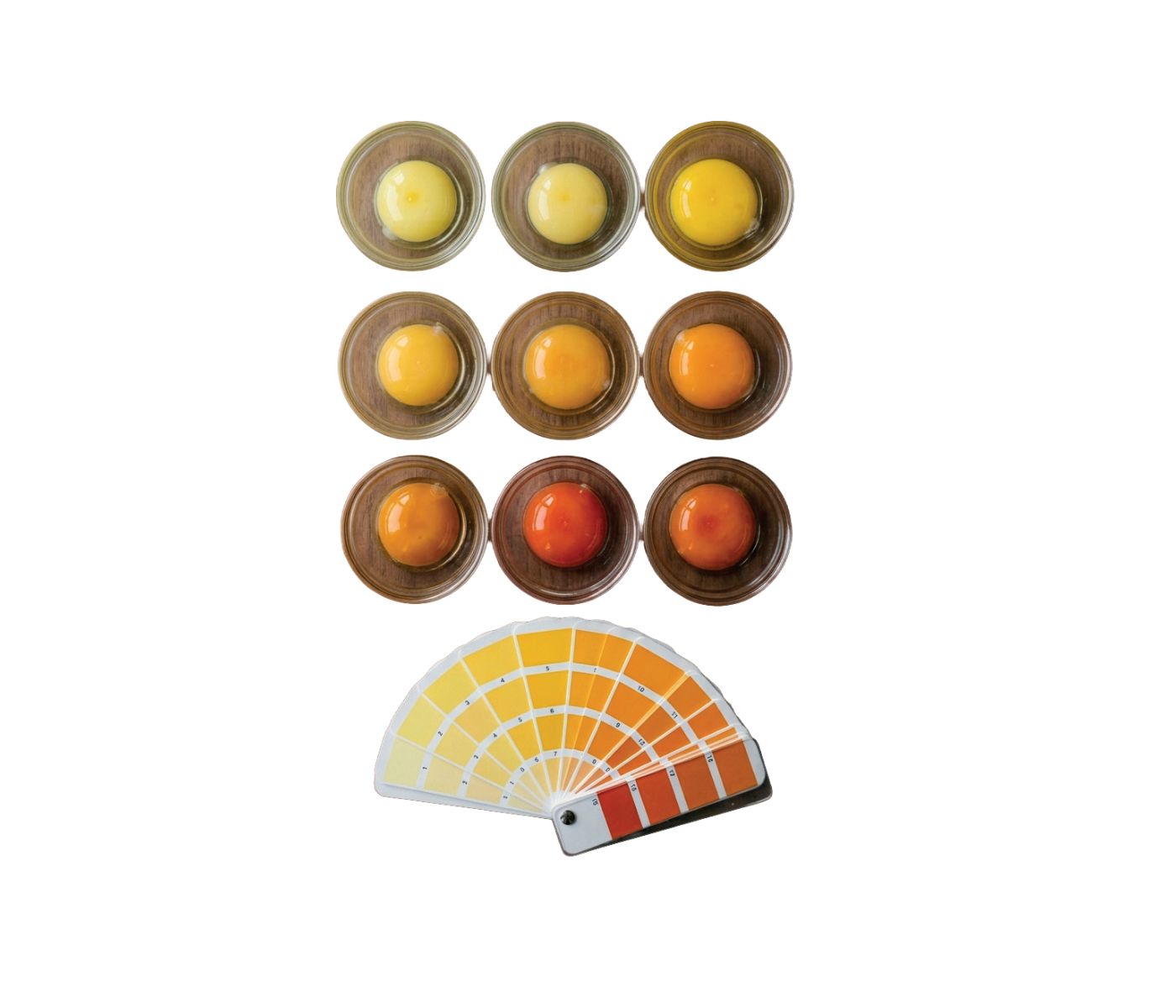
Improving Egg Yolk Pigmentation Through Better Nutrient Transport

Aquaculture and Aquaponics Nutrition: How Fish Shape the Growth of Greens
Trenton Corby
Consistency in Soybean Meal Drives Performance and Sustainability