


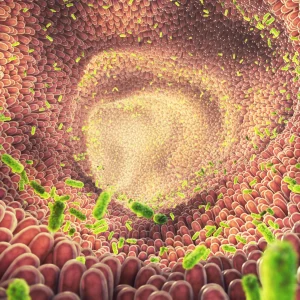
Gut health in modern poultry production: Unlocking the power of the microbiome in Asian production system
Performance is no longer defined only by what animals eat, but by how effectively the gut microbiome converts nutrients into biological responses.
By Sopaphan Pruekvimolphan, Technical Manager, Orffa (Thailand) Ltd
From feed formulation to biological performance
Across Asia, poultry production continues to intensify, driven by increasing demand for affordable protein and improved production efficiency. Traditionally, nutrition strategies have focused on optimizing feed formulation—balancing energy, protein, and cost.
However, a new perspective is rapidly gaining attention: animal performance is not only determined by what animals eat, but by how they biologically respond to feed. At the core of this response lies the gut microbiome—a complex microbial ecosystem that influences digestion, nutrient absorption, and immune function.
Today, nutritionists are increasingly looking beyond nutrient levels and focusing on how feed interacts with the microbiome. This paradigm shift is particularly relevant in Asia, where production efficiency and resilience are essential for economic sustainability.
The microbiome: A key driver of robustness
The gut microbiome contributes to nutrient utilization, production of beneficial metabolites, and protection against pathogens. Among these metabolites, butyrate plays a crucial role in maintaining intestinal integrity and reducing inflammation.
A balanced microbiome helps birds cope with challenges such as heat stress, high stocking density, and pathogen pressure—conditions commonly observed in Asian production systems. It also supports consistent growth, improved feed conversion, and better flock uniformity.
In contrast, microbiome imbalance (dysbiosis) can negatively affect performance, leading to inefficient feed utilization and increased disease susceptibility. Maintaining microbial balance is therefore a central objective in modern nutrition programs.
Figure 1. Healthy and defective microbiota


Understanding the gut barrier
Gut health is defined by the interaction of three barriers: microbial, physical, and immune. These components work together to maintain intestinal integrity and support efficient nutrient absorption.
The microbial barrier competes with pathogens, the physical barrier prevents leakage and maintains selective permeability, and the immune system responds to microbial signals. Even subclinical disruption of any of these barriers can compromise performance.
In commercial operations, birds may not show clinical symptoms, yet subtle damage can result in poorer feed efficiency and reduced resilience to environmental stress.
Challenges in Asian production systems
Poultry production in Asia presents unique challenges. Heat stress remains a major issue in tropical and subtropical regions, negatively affecting feed intake and gut integrity. Variability in raw material quality can also influence digestibility and microbial activity.
Additionally, high pathogen pressure and intensive production systems create conditions that can easily disrupt the microbiome. These factors highlight the need for strategies that stabilize gut function and support consistent performance.
From reactive to proactive gut health management
Traditional gut health management often relied on observing clinical signs or post-mortem evaluations. However, these approaches are typically reactive and do not capture early changes.
Recent developments in microbiome analysis and biomarkers allow producers to monitor gut health more precisely. These tools make it possible to detect imbalances earlier and take corrective action before performance is affected.
This shift toward proactive management supports better decision-making and aligns with the industry’s move toward reduced antibiotic use and improved sustainability.
Nutritional strategies to support the microbiome
Several nutritional strategies can be used to support microbiome balance in poultry:
- ✅ Probiotics to stabilize microbial populations and reduce pathogen load.
- ✅ Prebiotics to enhance beneficial microbial activity.
- ✅ Butyrate-based solutions to strengthen gut integrity.
- ✅ Digestibility enhancers to reduce undigested nutrients in the gut.
These approaches aim to improve feed efficiency, enhance resilience, and maintain consistent performance under challenging production conditions.
The future: Microbiome-driven production
The poultry industry is evolving toward precision nutrition and biological efficiency. The microbiome is increasingly recognized as a critical link between feed, health, and performance.
By focusing on microbial function and gut integrity, producers can reduce reliance on antimicrobials, improve sustainability, and achieve more predictable production outcomes. In Asia, where production systems are diverse and often challenged by environmental stress, microbiome-focused strategies offer a practical and effective path forward.
As knowledge and tools continue to develop, the ability to manage the gut microbiome will become a defining factor in the success of modern poultry production systems.
For further information, visit Empowering viable animal farming | Orffa or info@orffa.com