Building sustainable farming with Black Soldier Fly industry
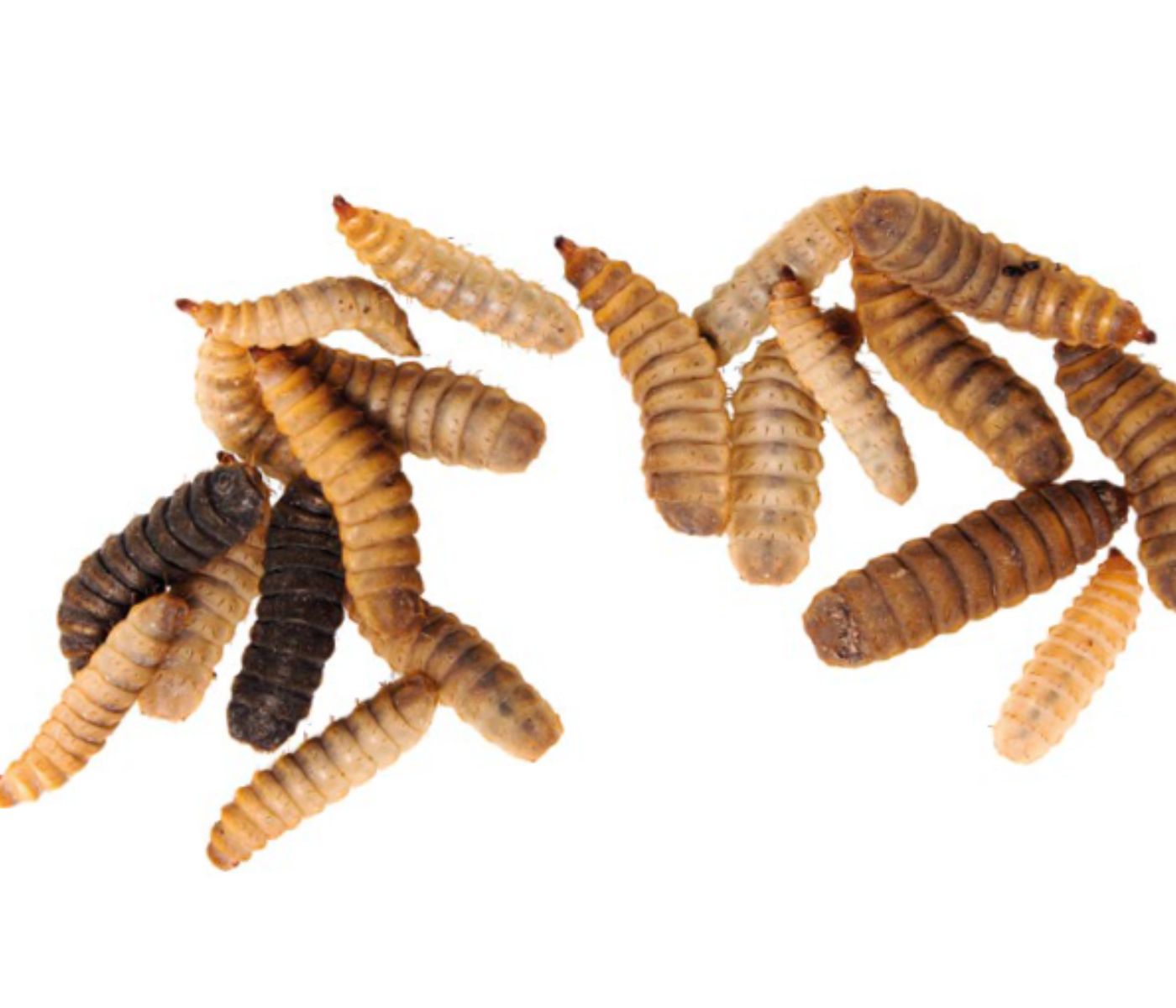
The Black Soldier Fly (BSF) industry is rapidly emerging as one of the most innovative sectors within sustainable agriculture and animal nutrition. Positioned at the intersection of organic waste management, circular economy systems, and alternative protein production, BSF farming is increasingly recognized as a scalable solution for some of the livestock sector’s biggest environmental and economic challenges.
By converting organic waste into valuable biomass within days, BSF larvae offer opportunities to reduce waste, lower emissions, produce sustainable feed ingredients, and support regenerative farming systems.
The Black Soldier Fly industry is becoming a key driver of circular agriculture by transforming organic waste into sustainable feed and fertilizer solutions.
The evolution of the global BSF industry
The BSF sector has evolved rapidly in recent years. Early development focused heavily on large centralized insect factories designed for mass production. However, many of these systems encountered major challenges related to:
- High energy consumption
- Expensive automation
- Large labor requirements
- Limited adaptability
- High transportation costs
As a result, the industry is increasingly shifting toward decentralized and ecosystem-based production models. These smaller, modular systems are designed to operate closer to local waste sources and farming communities.
Decentralized BSF farming models improve flexibility, reduce transportation costs and emissions, and empower local producers.
BSF farming and the circular economy
Black Soldier Fly larvae are highly efficient bioconverters capable of transforming a wide range of organic waste streams into valuable products in a short time.
This process aligns closely with circular economy principles by:
- Reducing organic waste accumulation
- Minimizing landfill use
- Recovering nutrients
- Generating alternative feed ingredients
- Producing organic fertilizers
BSF systems can simultaneously produce:
- Larvae meal for animal feed
- Larval fat
- Frass for organic fertilizer
These outputs help reduce dependence on conventional ingredients such as fish meal and soybean meal.
BSF farming transforms waste streams into valuable nutritional and agricultural resources while reducing environmental pressure on traditional feed systems.
Why decentralized systems are gaining attention
Decentralized BSF production offers several important advantages compared with large centralized factories.
Smaller modular farms:
- Reduce logistics costs
- Improve resilience
- Lower disease risk
- Facilitate local waste utilization
- Allow region-specific adaptation
- Support community ownership
These systems also allow producers to experiment with local substrates and scale operations by replicating smaller proven units instead of relying on mega-factories.
Localized and modular BSF production systems may offer greater long-term sustainability and adaptability than highly centralized production facilities.
Conclusion
Black Soldier Fly farming represents far more than insect production alone. It offers an integrated solution for sustainable agriculture, organic waste management, regenerative farming, and alternative protein generation.
As global pressure increases to reduce environmental impact while maintaining animal protein production, BSF systems may become an increasingly important component of future livestock and aquaculture supply chains.
By combining decentralization, technological innovation, nutritional precision, and circular economy principles, the BSF industry has the potential to reshape how feed ingredients are produced worldwide.
Black Soldier Fly farming is emerging as one of the most promising sustainable solutions for converting waste into valuable nutritional resources while supporting circular agriculture.
🔒 Contenido exclusivo para usuarios registrados.
Regístrate gratis para acceder a este post y a muchos más contenidos especializados. Solo te llevará un minuto y tendrás acceso inmediato.
Iniciar sesiónRegístrate en nutriNews
REGISTRARME