 12 Apr 2023
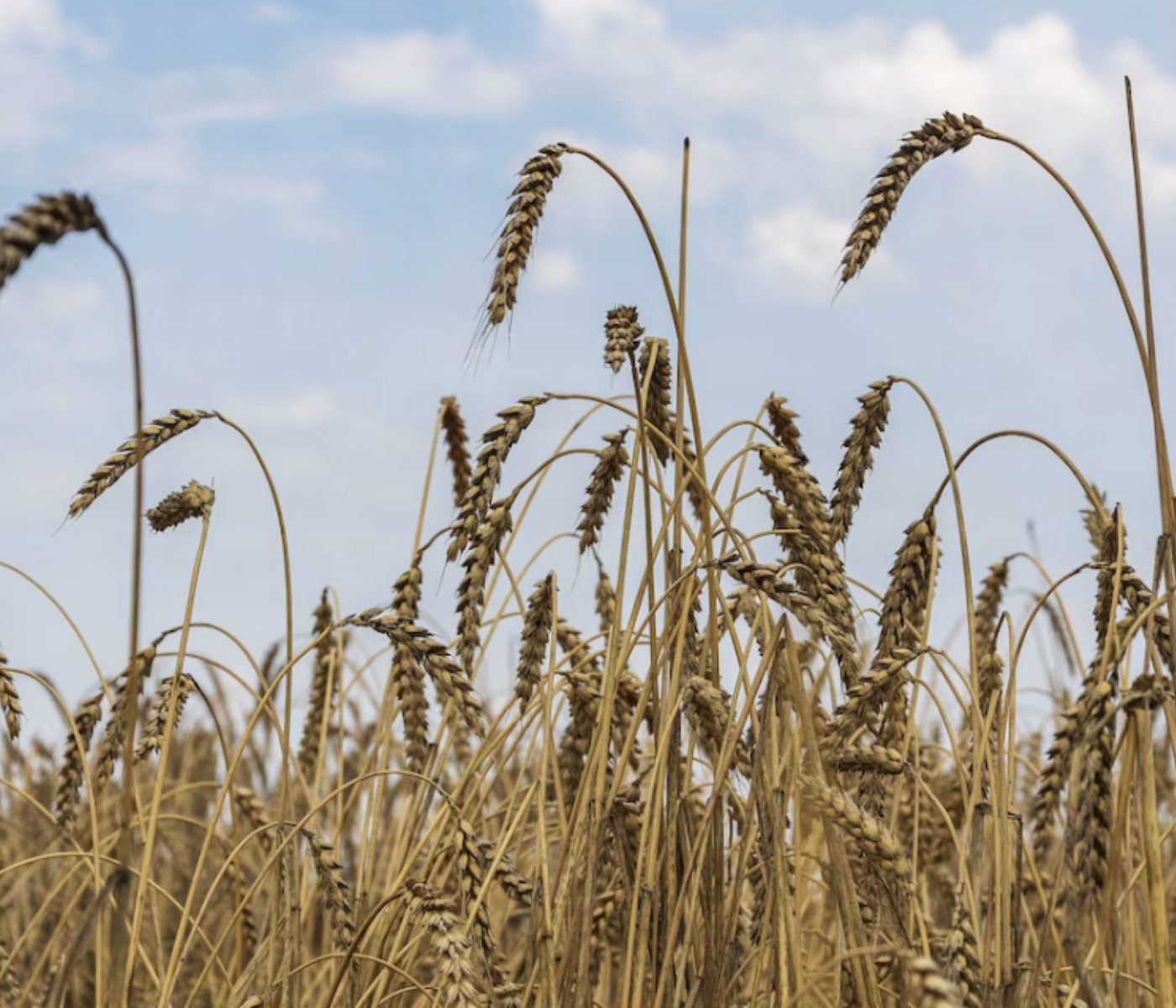
Cereal production in Spain finds itself under great pressure due to recent circumstances. The climatic situation of various regions within Spain has become a growing concern during the past few months. Either due to the unusual temperatures recorded at the end of 2022 in the south of the peninsula, or the lack of water in the northeast region during these past months.
The lack of predictability regarding climate behavior generates uncertainty among producers, who are forced to reevaluate their business plans and projections when it comes to decision making.

Spring arrived in southern Spain with temperatures reaching 30 ° and more in some provinces. This has aggravated the scenario for cereal crops, which had already suffered from water stress since the start of their cycle. Sources from the Agrarian Association of Young Farmers (ASAJA), said that the damage in wheat crops has been from moderate to serious in the provinces of Cádiz, Córdoba and Seville.


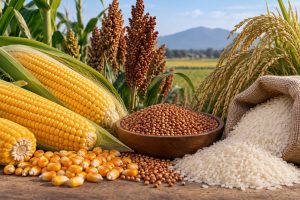
Extensive crop farmers in Catalonia also find themselves under trouble. As the harvest of winter cereals approaches, the consequences of the lack of rainfall have become more evident. Producers are currently evaluating whether it makes sense to plant summer crops (corn, sunflower, sorghum, or soybeans) once the winter crops have been harvested. They fear that the high costs of planting and subsequent work will outweigh the benefits of a crop that will be surely punished by the lack of water.
The water reserves in some mountain systems are at levels below 50% of the average for the last decade. Aggravating the situation as meltwater won’t be a sufficient source to irrigate crops during the next summer.



The complex situation seems to find no relief in the short term. Institutions such as COCERAL, have cut their cereal production estimates for Spain in the past few days. Their latest report estimates about 20.8 million tons (1.5 million less than the previous report).
Despite the complex scenario, this year’s crop production estimates are still higher than the 2022 production figures (18 million tonnes). This difference is mainly due to an increase in the cultivated area. However, there is still a great degree of uncertainty regarding the outcomes of such forecasts.
You may also like to read: “China’s soybean imports expected to rise from 2023 to 2024.”

Subscribe now to the technical magazine of animal nutrition
AUTHORS
From 2025 Data to 2026 Decisions: Managing Mycotoxin Risk in a Changing Climate
Alterion® NE Celebrates 10 Years of Poultry Gut Health Innovation
The Science Behind Kolin Plus: Beyond Choline Replacement
Summer Infertility in Sows: Managing Heat Stress and Reproductive Performance

AO-Biotics® Amaferm®: Supporting Livestock Digestion and Performance

Interview with Güner Gövenç
Güner Gövenç,
Net Energy and Precision Feeding Shape the Future of Poultry Nutrition
Edgar Oviedo
Mycotoxins in Swine: Health Risks and Nutritional Solutions
Giuseppe Carcò
Mycotoxins and Piglet Ear Necrosis: Cause, Cofactor or Coincidence?
Alberto Morillo
How Mycotoxins Affect Intestinal Health in Pigs and Poultry
Marcos Rostagno
From Antibiotics to Functional Feeds in Aquaculture
Babatunde Saliu
Peas as an Alternative to Soybean Meal in Beef Cattle Finishing Diets
Daniel Villalba Mata,
Improving Egg Yolk Pigmentation Through Better Nutrient Transport

Aquaculture and Aquaponics Nutrition: How Fish Shape the Growth of Greens
Trenton Corby
Consistency in Soybean Meal Drives Performance and Sustainability