 17 Oct 2023
Definition & classification
Citrus pulp is the byproduct obtained following the extraction of juice within the industry.
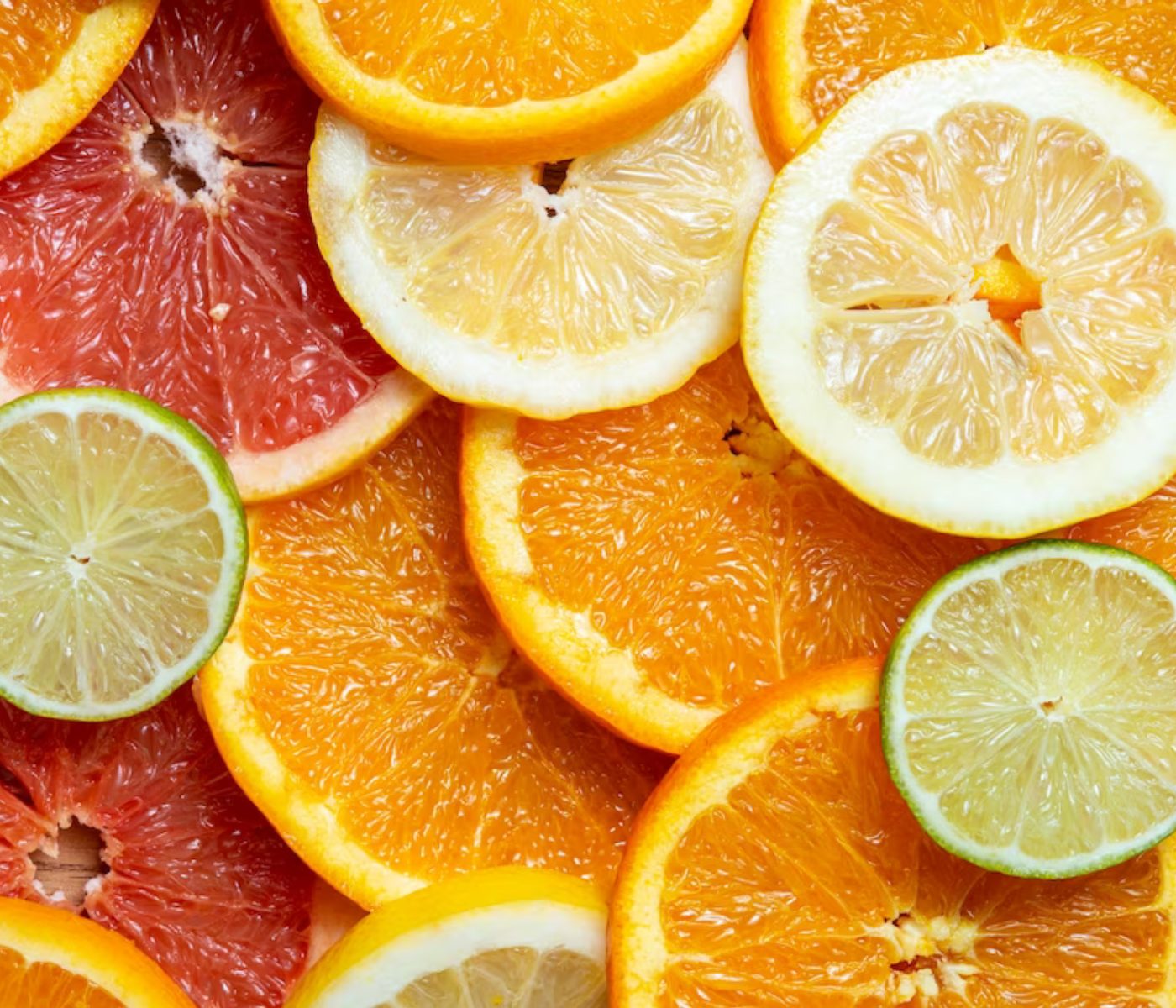
The term “citrus” encompasses a variety of fruits belonging to the Citrus genus:
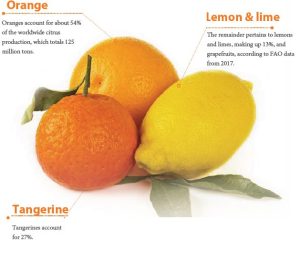
Spain is the sixth-largest citrus producer in the world, with an annual production of between 6 and 7 million tons, dedicating around 25% of its production to the juice industry (Asozumos, 2018).
In the production of citrus juices, 30-50% of the weight of the processed fruit consists of waste, which includes:
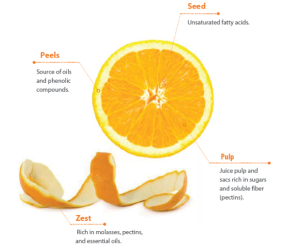

Its availability in fresh form (with moisture content exceeding 78%) is confined to regions in proximity to the juice extraction facilities. Consequently, dried citrus pulp is imported from the USA (primarily Florida), Brazil, and Morocco.
Citrus pulp is cataloged as a raw material for animal feed in accordance with EU Regulation 2017/1017, appearing under categories 5.1.3.1 and 5.1.3.2 (when dried), and is subject to a mandatory declaration of crude fiber, without a set maximum limit.
Procurement process
1. WASHING
The process of extracting juice commences with the fruit being washed to eliminate leaves, dirt, and peel oils that may contain pesticide residues.
2. SEPARATION OF OILS AND PEEL
In the initial phase, essential oils are separated from the peel, particularly the highly bitter d-limonene, by pressing the entire fruit.
3.JUICE EXTRACTION
Subsequently, incisions are made in the peel to extract the juice.
4. PULP SEPARATION
This entry will be continued on a subsequent publication…


Subscribe now to the technical magazine of animal nutrition
AUTHORS
Rumen microorganisms and metabolizable amino acid balance
Fernando Bacha Baz
Broiler nutrition during the first feeding phase

Genetic improvement in corn strengthens its strategic role in animal nutrition
Insect biorefineries and the future of sustainable animal nutrition
Ari Riihimaa
LivoLiv supplementation improves liver health and broiler performance
Mycotoxin binders explained: why one size never fits all
Rui A. Gonçalves
Active Feeding strategy for PRRS-positive weaned piglets
Alberto Morillo Alujas
Sow colostrum and its strategic impact on piglet survival and growth
Marianna Altieri
Bacillus probiotics help support intestinal health in cats
Lorenna Nicole Araújo Santos