 16 Jan 2023
Feed supply in farm animals continues to grow as it plays a pivotal role within livestock production. Recently, the European Commission has approved the use and marketing of a new additive and a new type of feed for farm animals. One of these products is known as 3-fucosyllactose. The actual product which has been approved is derived from a strain of E. coli known as: BL21 (DE3).
What is 3-fucosyllactose?
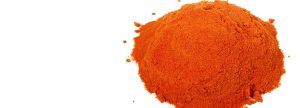
3-Fucosyllactose, also called 3-FL is a white powder which is obtained through microbial fermentation. Some following elements stand out within its composition. However, these are found in low quantities:
This new food product authorized by the EU derives from a genetically modified strain of E. coli K-12. Although its approval has been authorized with human consumption under consideration, the truth is that it can also be used for livestock feed production.
It is mandatory to indicate this on the label
According to the European Parliament and the Council and Commission Regulations (EC), those manufacturers, traders and distributors who offer this product must indicate this on the users label.
A new feed additive for livestock: Pediococcus acidilactici CNCM I-4622
In addition to the authorisation of 3-fucosyllactose for human consumption, a novel feed for farm animals has also been approved to be marketed. This product is specifically known as as Pediococcus acidilactici CNCM I-4622, and has been authorised to be used as an additive in different types of feed.
What is Pediococcus acidilactici CNCM I-4622?
They are a group of acid bacteria found in dairy which provide a wide range of potential benefits. However, such benefits have not been 100% scientifically proven yet.This product is often used as a probiotic supplement, aiming to reduce constipation, and stress related diarrhea in birds and small animals.
In addition, Pediococcus acidilactici CNCM I-4622 helps to prevent pathogenic colonization of the small intestine. Including different pathogens such as:
This additive is intended to be included in liquid feed prepared for livestock on the farm.
Other authorisations for farm animal feed
In addition to the above, the European Commission has also authorized an additive for the production of livestock feed. The product is a bitter orange extract, which must mixed with neohesperidin dihydrochalcone for its use in livestock feed. The approval of orange inclusion in animal feed preparation is not new. Considering the fact that previously, various oils derived from orange were approved for their use in animal feed. This authorization was issued during the past month of August.


Subscribe now to the technical magazine of animal nutrition
AUTHORS
From 2025 Data to 2026 Decisions: Managing Mycotoxin Risk in a Changing Climate
Alterion® NE Celebrates 10 Years of Poultry Gut Health Innovation
The Science Behind Kolin Plus: Beyond Choline Replacement
Summer Infertility in Sows: Managing Heat Stress and Reproductive Performance
AO-Biotics® Amaferm®: Supporting Livestock Digestion and Performance

Interview with Güner Gövenç
Güner Gövenç,
Net Energy and Precision Feeding Shape the Future of Poultry Nutrition
Edgar Oviedo
Mycotoxins in Swine: Health Risks and Nutritional Solutions
Giuseppe Carcò
Mycotoxins and Piglet Ear Necrosis: Cause, Cofactor or Coincidence?
Alberto Morillo
How Mycotoxins Affect Intestinal Health in Pigs and Poultry
Marcos Rostagno
From Antibiotics to Functional Feeds in Aquaculture
Babatunde Saliu
Peas as an Alternative to Soybean Meal in Beef Cattle Finishing Diets
Daniel Villalba Mata,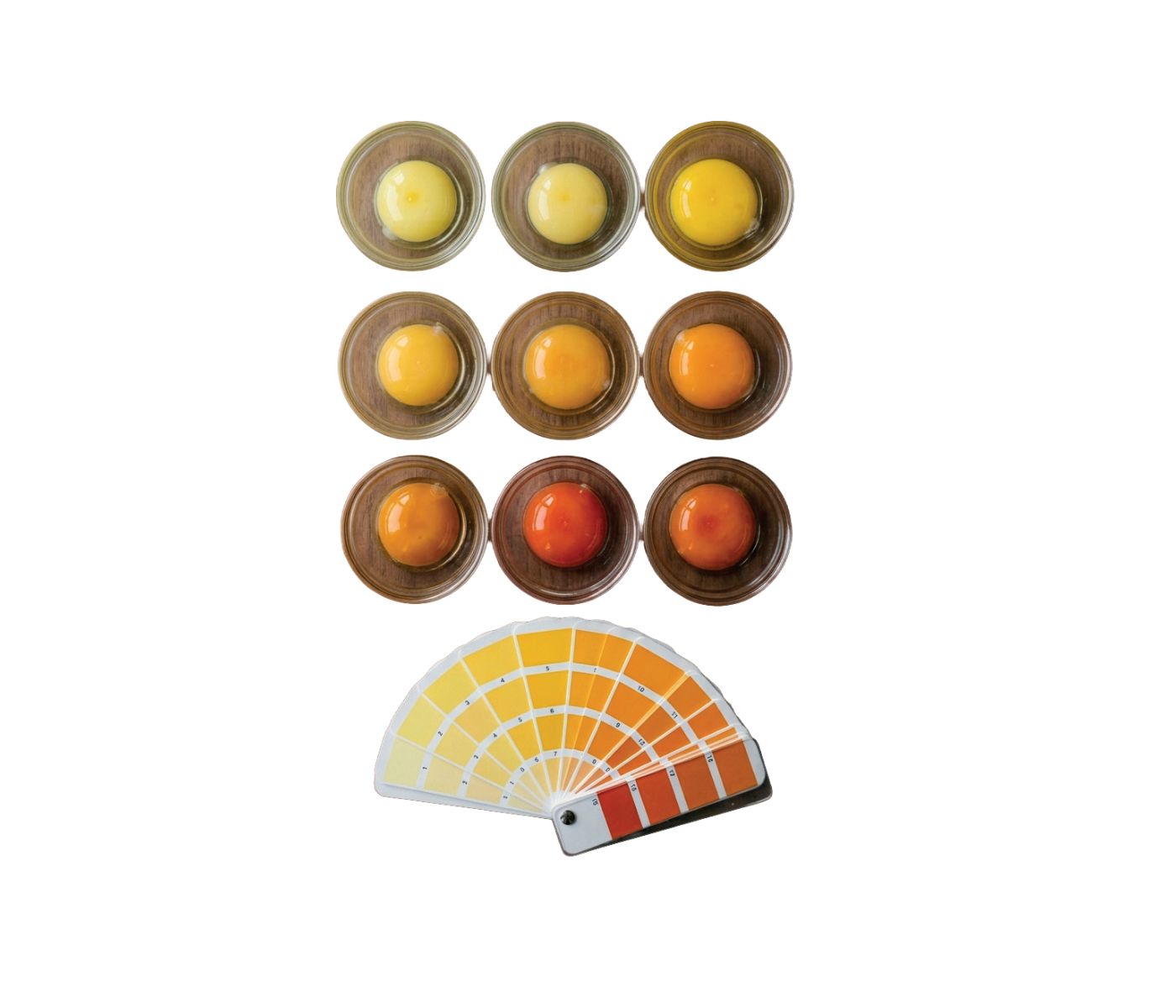
Improving Egg Yolk Pigmentation Through Better Nutrient Transport
Aquaculture and Aquaponics Nutrition: How Fish Shape the Growth of Greens
Trenton Corby
Consistency in Soybean Meal Drives Performance and Sustainability