 11 Mar 2022
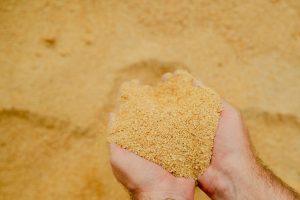
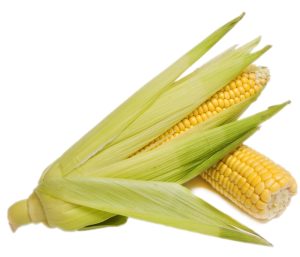
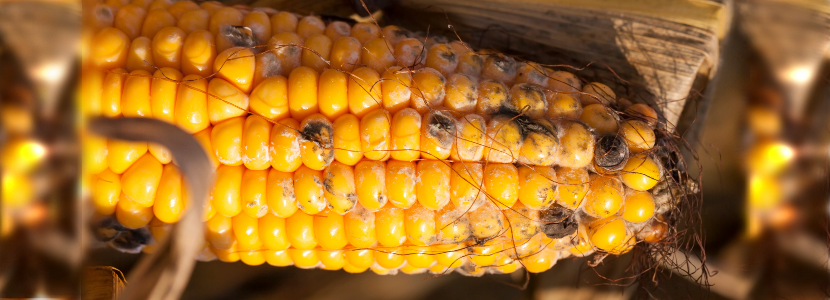
Gaseous ozone presents itself as an interesting alternative to treat mycotoxin contamiantion in corn. The fungi Aspergillus flavus and Aspergillus parasiticus have become a serious concern related to food safety due to their ability to produce aflatoxins, which are toxic to humans and animals.

When animals ingest aflatoxins, these induce immune disorders, weight loss and affect their overall growth and productivity.
Several methods have been used to prevent and control fungal infections in corn during the post-harvest handling and storage period. The application of fungicides is one of the most common methods to control fungi in the crop as it is relatively inexpensive.

Another alternative method to reduce fungal pollution while controlling aflatoxins in corn is the use of gaseous ozone.
 There are reports of the efficacy of ozone in defeating microbes found in agricultural products, including bacteria, fungi, viruses, and fungal spores/bacteria. There are reports of the efficacy of ozone in defeating microbes found in agricultural products, including bacteria, fungi, viruses, and fungal spores/bacteria. |
Many studies have shown that gaseous ozone is quite effective in reducing fungal and mycotoxin contamination in grains. The penetration and adsorption of ozone depends on:


Previous studies reported that ozone could inactivate 96% of the fungal spores in barley (Allen et al. , 2003) and decrease 100% of Aspergillus sp. and Penicillium sp. in rice (Santos et al., 2016).
Amongst the advantages of ozone, is the fact that it leaves no residue and does not cause nutritional changes in the product.
Subscribe now to the technical magazine of animal nutrition
AUTHORS
From 2025 Data to 2026 Decisions: Managing Mycotoxin Risk in a Changing Climate
Alterion® NE Celebrates 10 Years of Poultry Gut Health Innovation
The Science Behind Kolin Plus: Beyond Choline Replacement
Summer Infertility in Sows: Managing Heat Stress and Reproductive Performance
AO-Biotics® Amaferm®: Supporting Livestock Digestion and Performance

Interview with Güner Gövenç
Güner Gövenç,
Net Energy and Precision Feeding Shape the Future of Poultry Nutrition
Edgar Oviedo
Mycotoxins in Swine: Health Risks and Nutritional Solutions
Giuseppe Carcò
Mycotoxins and Piglet Ear Necrosis: Cause, Cofactor or Coincidence?
Alberto Morillo
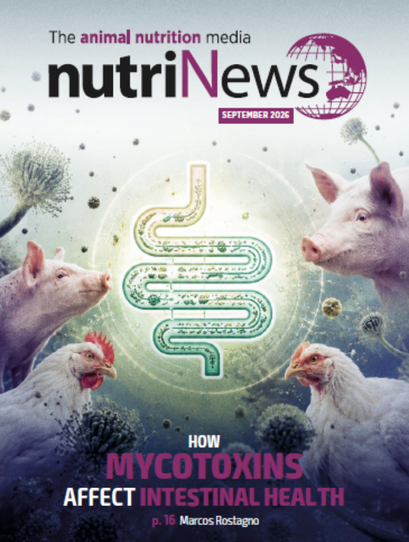
How Mycotoxins Affect Intestinal Health in Pigs and Poultry
Marcos Rostagno
From Antibiotics to Functional Feeds in Aquaculture
Babatunde Saliu
Peas as an Alternative to Soybean Meal in Beef Cattle Finishing Diets
Daniel Villalba Mata,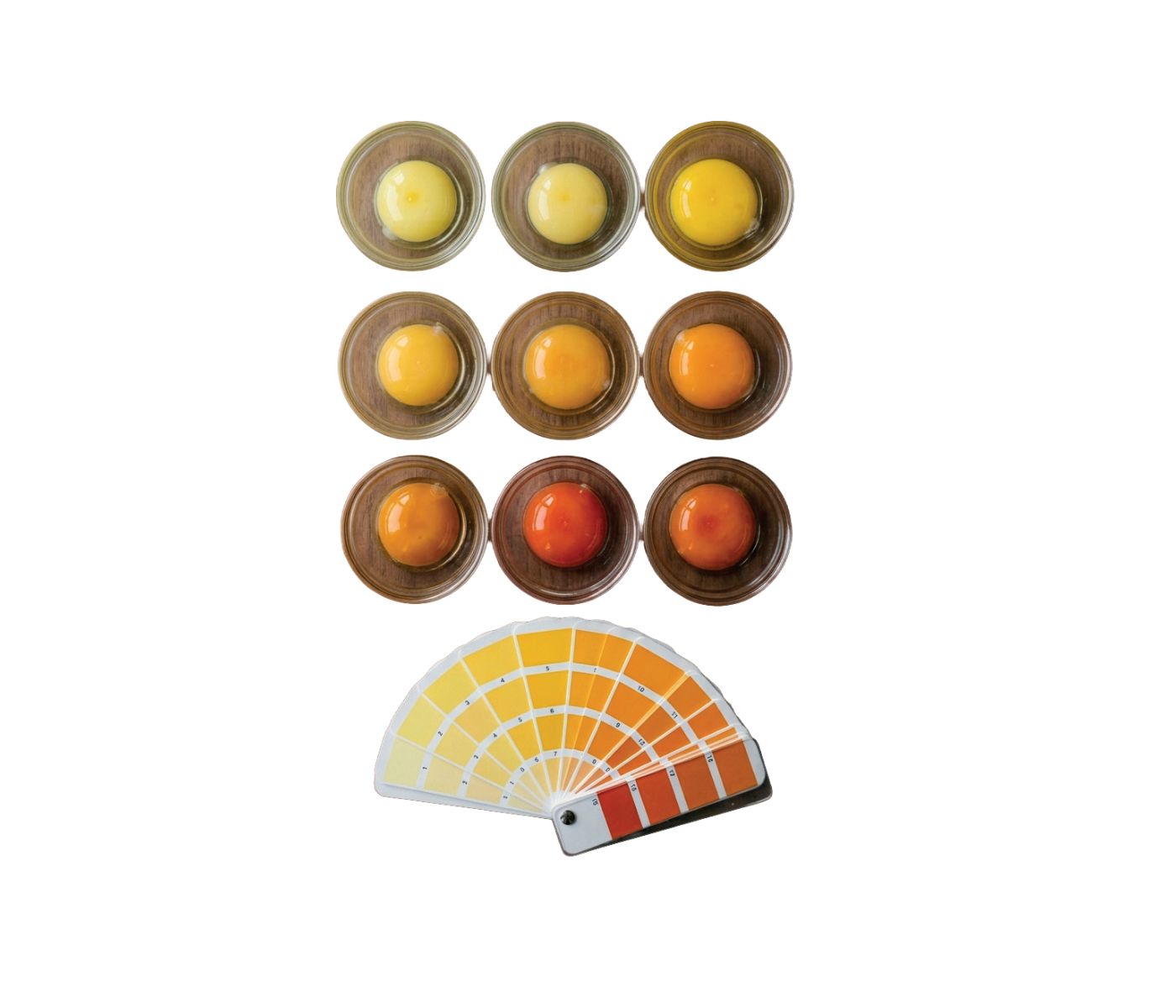
Improving Egg Yolk Pigmentation Through Better Nutrient Transport

Aquaculture and Aquaponics Nutrition: How Fish Shape the Growth of Greens
Trenton Corby
Consistency in Soybean Meal Drives Performance and Sustainability