 07 May 2026
GMP+ International has officially introduced its new Feed Life Cycle Assessment (LCA) standard. This marked an important step forward in harmonizing methodologies and strengthening sustainability within the feed sector.
Plans for the new standard were announced in April.
After an extensive development phase and close collaboration with industry stakeholders, the Feed LCA standard is now fully operational and ready for implementation. The standard enables companies to consistently calculate and communicate the environmental impact of feed products, supporting more sustainable decision-making throughout the supply chain.
The Feed LCA standard provides a harmonized methodology tailored specifically to the feed industry.
By aligning data collection and calculation rules, it ensures reliable outcomes, contributing to sector-wide sustainability objectives and strengthening trust among stakeholders.
Companies interested can now access the full document and begin implementation.
To support implementation, GMP+ International also offers a dedicated e-learning module. This training provides practical guidance on how to apply the methodology and integrate it into existing processes.
With the launch of the Feed LCA standard, GMP+ International reinforces its commitment to driving sustainability and innovation in the feed industry.

Subscribe now to the technical magazine of animal nutrition
AUTHORS
From 2025 Data to 2026 Decisions: Managing Mycotoxin Risk in a Changing Climate
Alterion® NE Celebrates 10 Years of Poultry Gut Health Innovation
The Science Behind Kolin Plus: Beyond Choline Replacement
Summer Infertility in Sows: Managing Heat Stress and Reproductive Performance
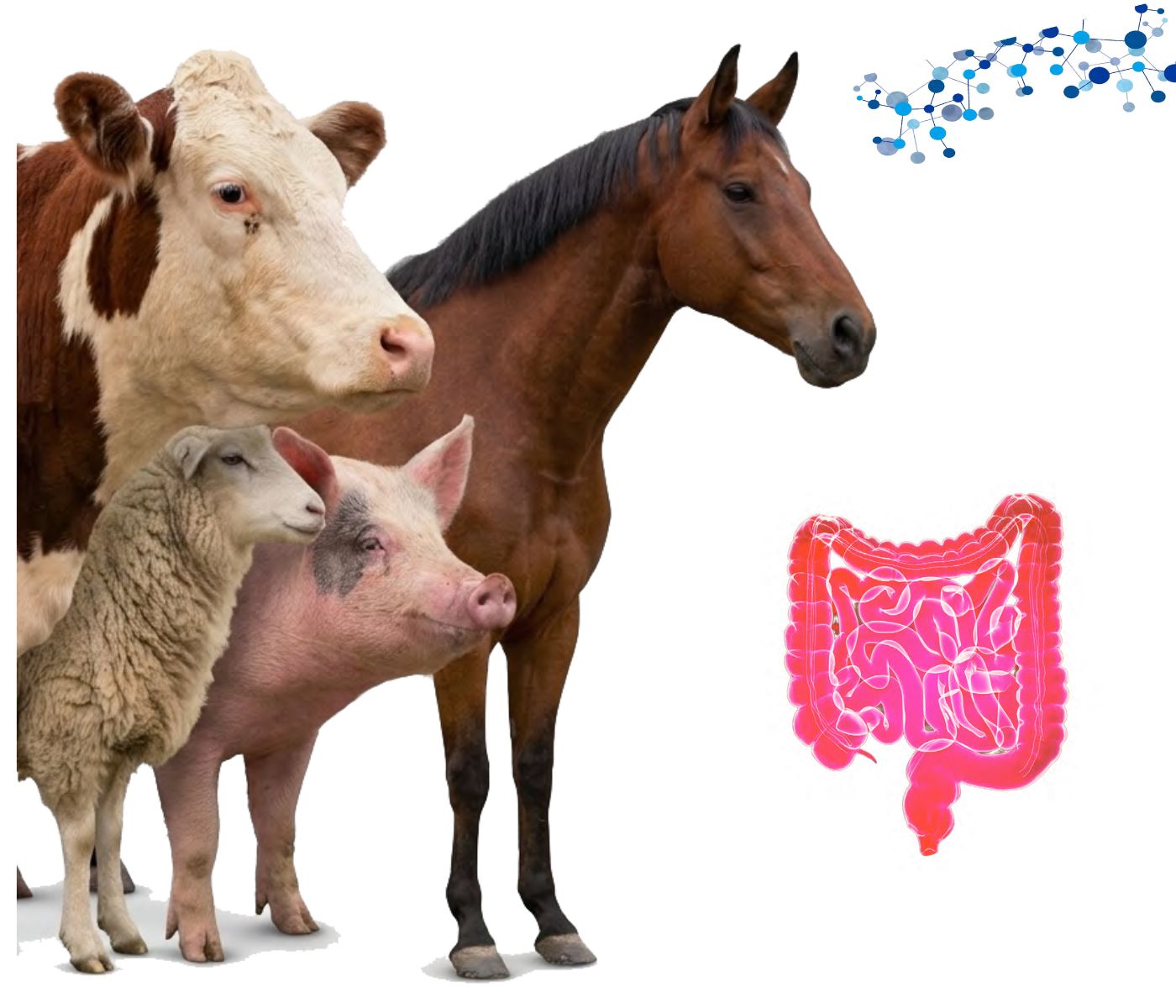
AO-Biotics® Amaferm®: Supporting Livestock Digestion and Performance

Interview with Güner Gövenç
Güner Gövenç,
Net Energy and Precision Feeding Shape the Future of Poultry Nutrition
Edgar Oviedo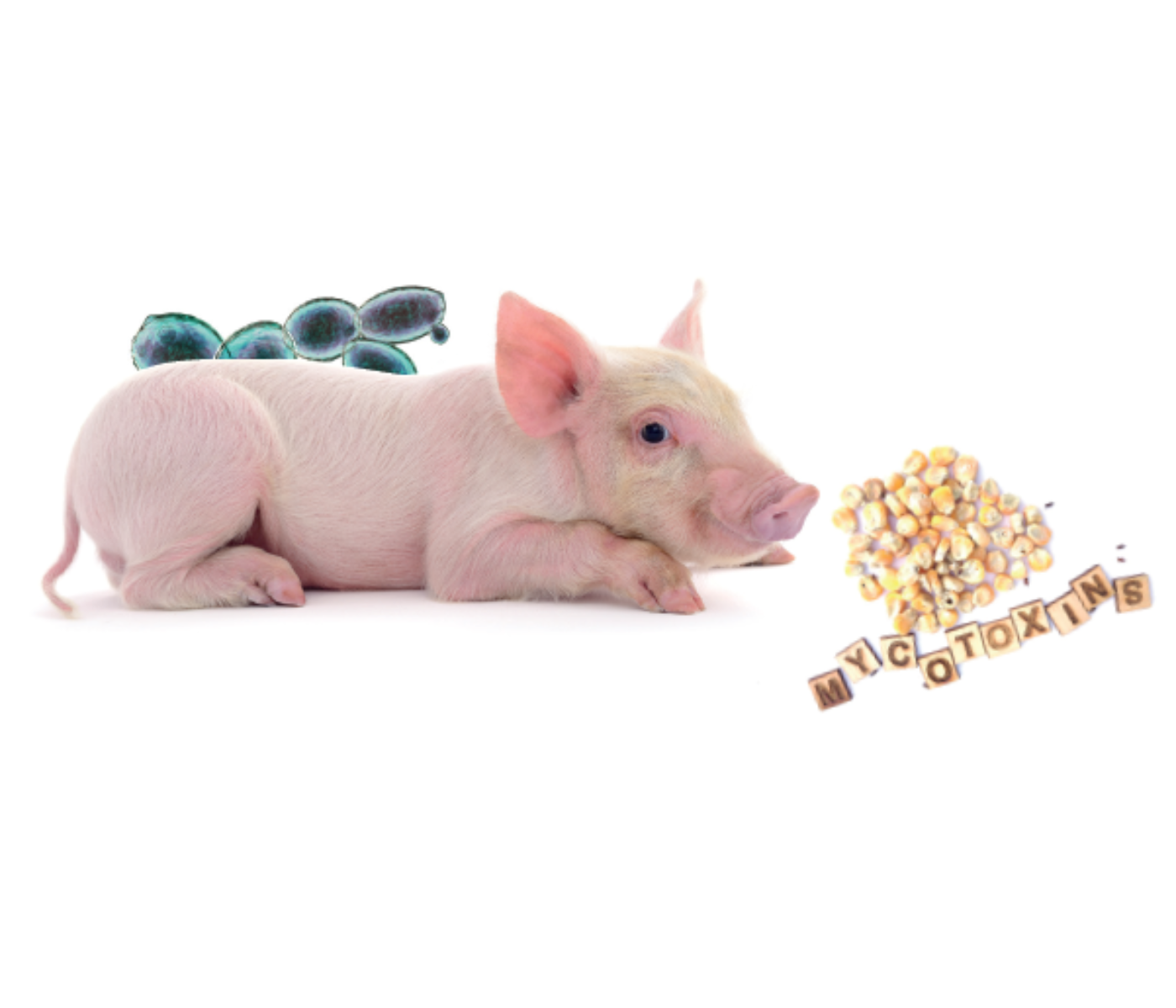
Mycotoxins in Swine: Health Risks and Nutritional Solutions
Giuseppe Carcò
Mycotoxins and Piglet Ear Necrosis: Cause, Cofactor or Coincidence?
Alberto Morillo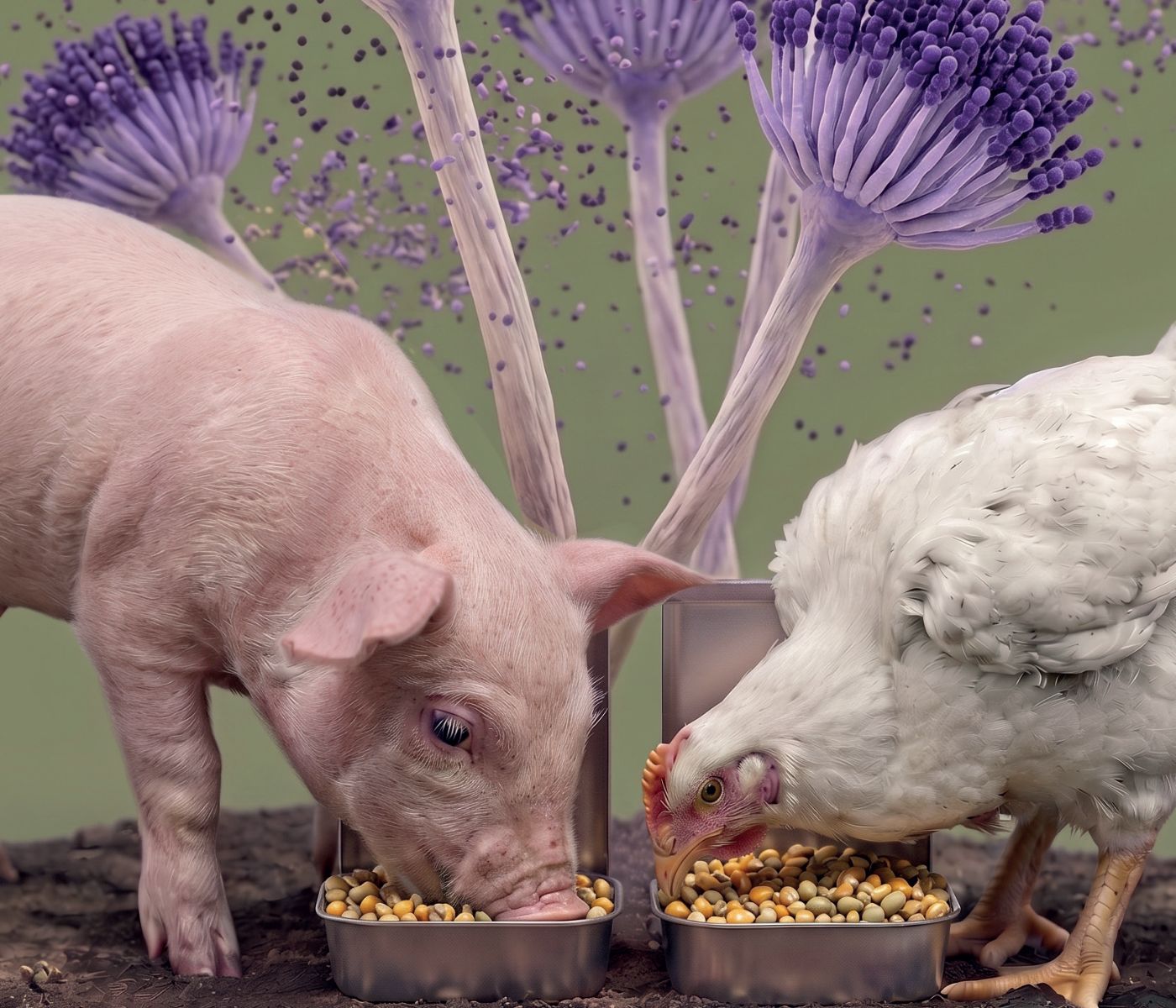
How Mycotoxins Affect Intestinal Health in Pigs and Poultry
Marcos Rostagno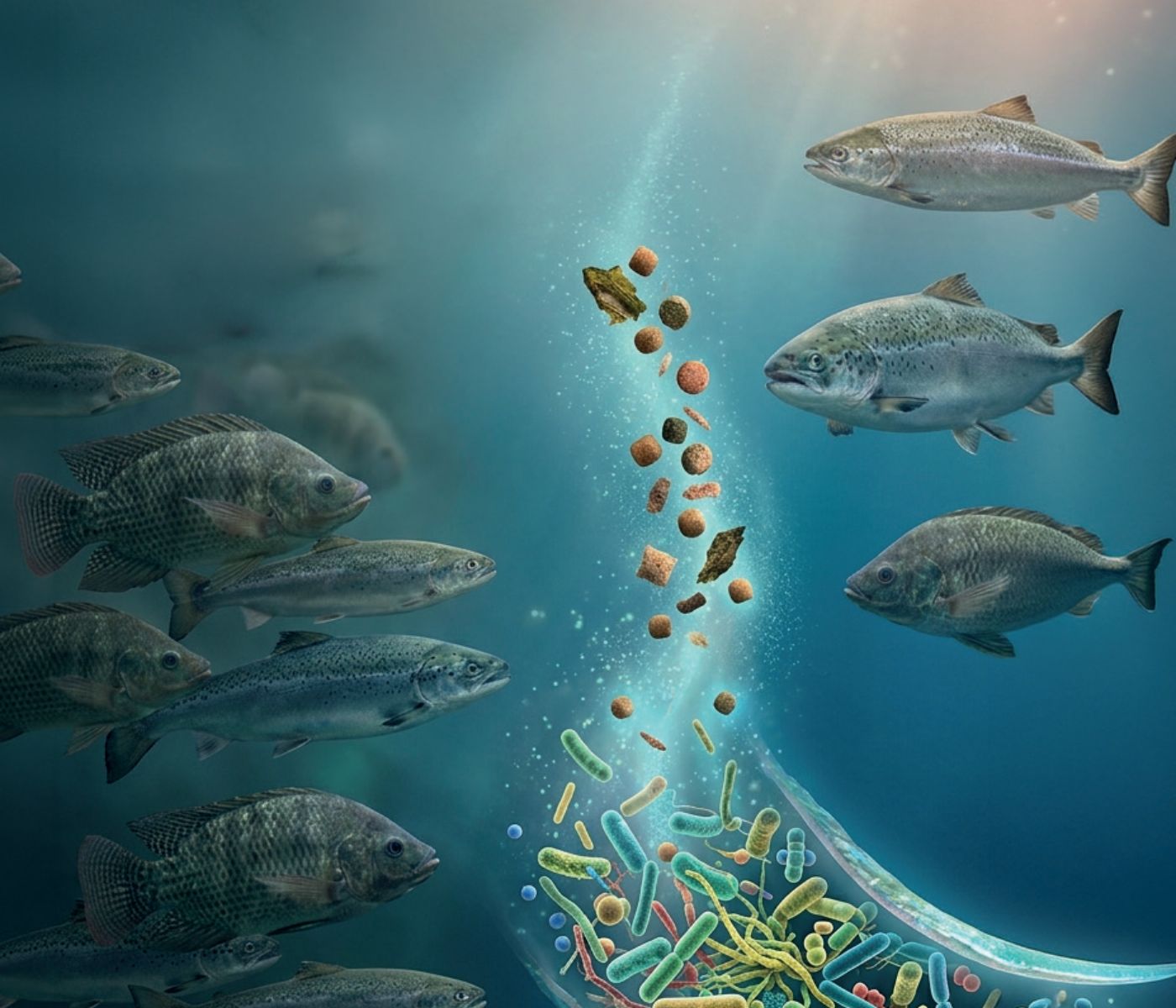
From Antibiotics to Functional Feeds in Aquaculture
Babatunde Saliu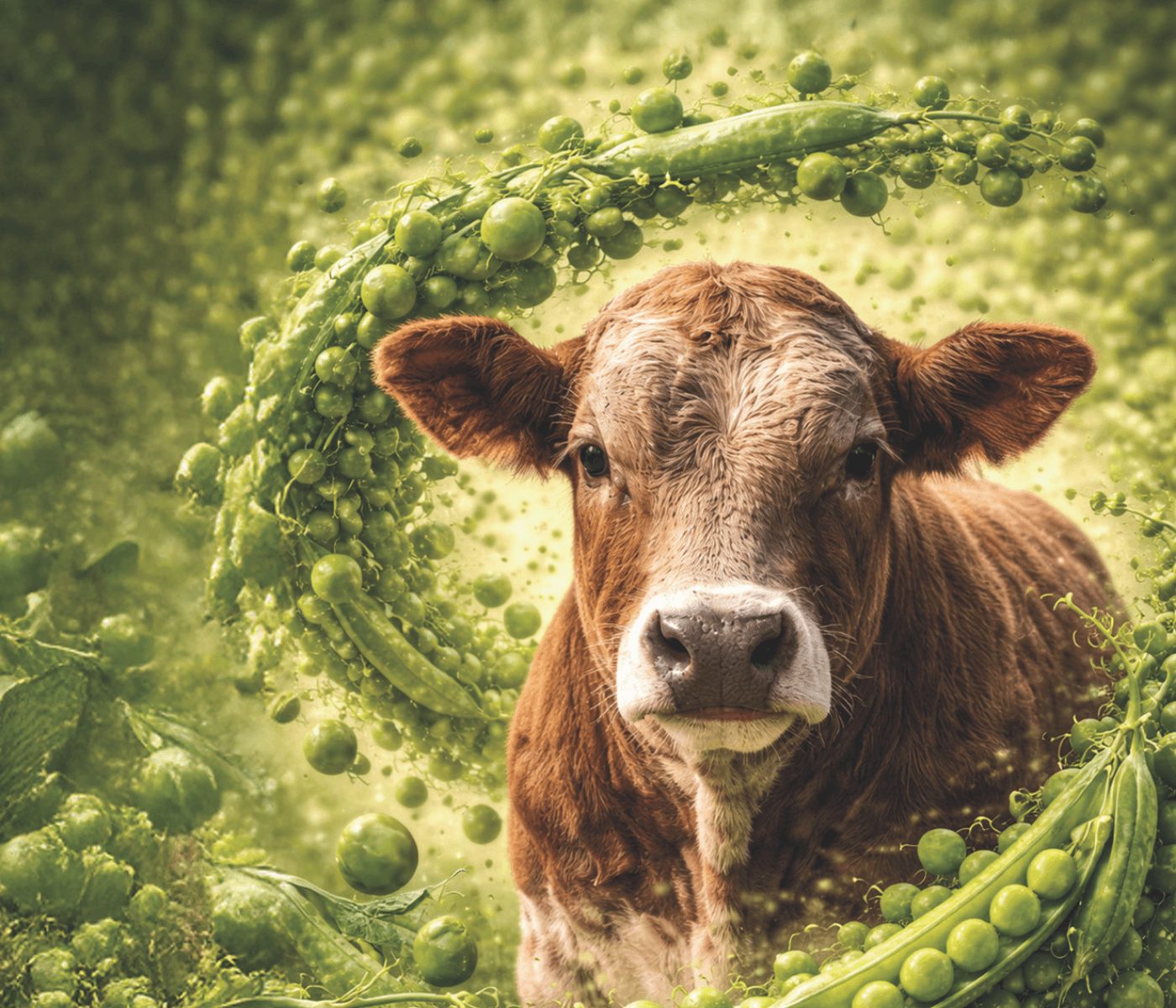
Peas as an Alternative to Soybean Meal in Beef Cattle Finishing Diets
Daniel Villalba Mata,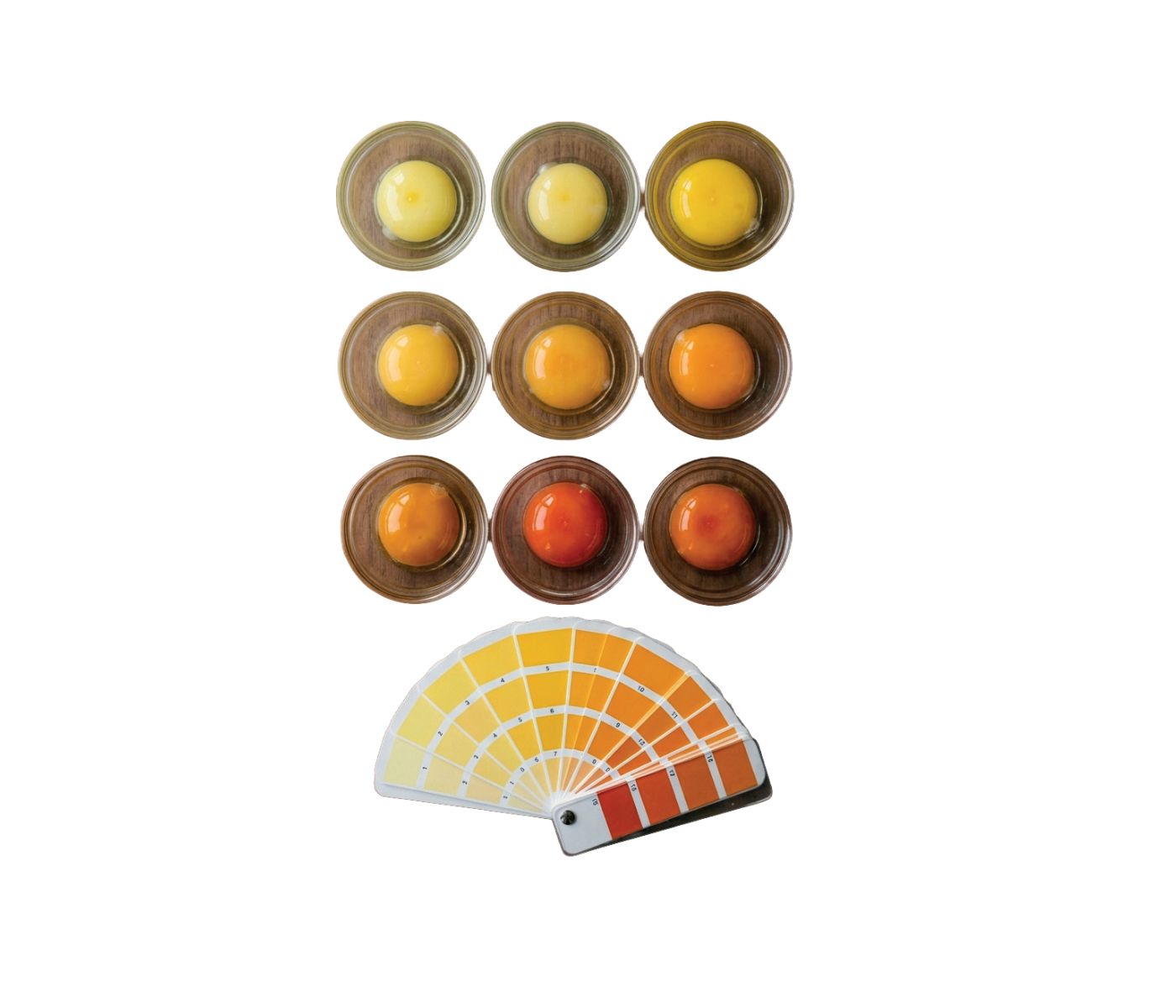
Improving Egg Yolk Pigmentation Through Better Nutrient Transport
Aquaculture and Aquaponics Nutrition: How Fish Shape the Growth of Greens
Trenton Corby
Consistency in Soybean Meal Drives Performance and Sustainability