 06 Aug 2026
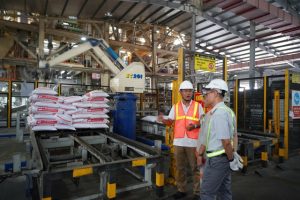
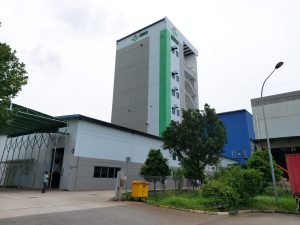
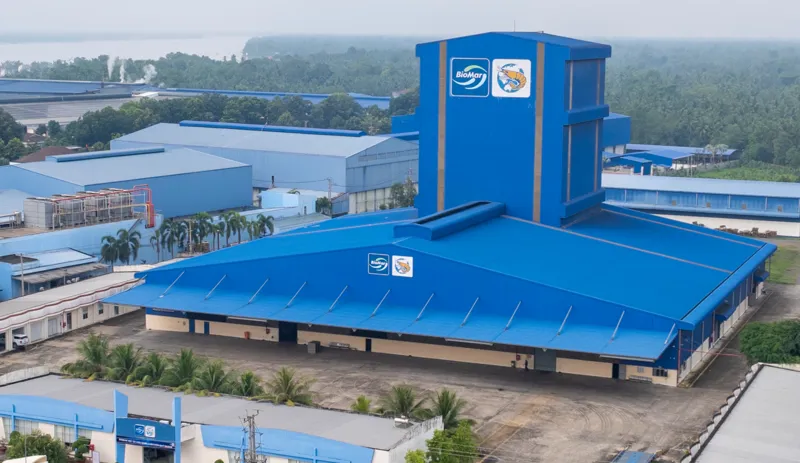
BioMar Viet-Uc has achieved Aquaculture Stewardship Council (ASC) Feed Certification, becoming the first certified feed facility in Asia. Located in Vietnam, the plant supplies shrimp and fish feed across the region. The certification confirms compliance with strict standards on environmental responsibility, labor rights, health and safety, and raw material sourcing.
This achievement strengthens BioMar’s ability to support farmers seeking ASC certification for their own operations. It also reinforces the company’s commitment to transparent supply chains and responsible aquaculture.
BioMar’s ASC-certified production network already spans Europe, Latin America, and Oceania. With Viet-Uc now certified, Asia joins this expanding footprint. Together, these facilities provide feed solutions across diverse species and farming systems, all aligned with internationally recognized standards.
Company leaders emphasized that the certification enhances BioMar’s ability to support farmers working toward ASC certification while reinforcing its commitment to responsible aquaculture throughout the region.
Asia is home to many of the world’s leading aquaculture producers. Demand for responsibly farmed seafood continues to grow across international markets. By expanding access to ASC-conforming feed solutions, BioMar helps customers meet evolving certification requirements and consumer expectations.
This certification benefits farmers and enhances BioMar’s ability to deliver sustainable feed solutions across a wider range of markets. It reflects the company’s broader strategy of aligning production with global sustainability standards.
BioMar Viet-Uc’s ASC Feed Certification is more than a local achievement. It represents a regional turning point in aquaculture sustainability and strengthens BioMar’s role as a global leader in responsible feed production. With Asia now part of its certified network, BioMar is well positioned to support the industry’s transition toward more sustainable practices.

Subscribe now to the technical magazine of animal nutrition
AUTHORS
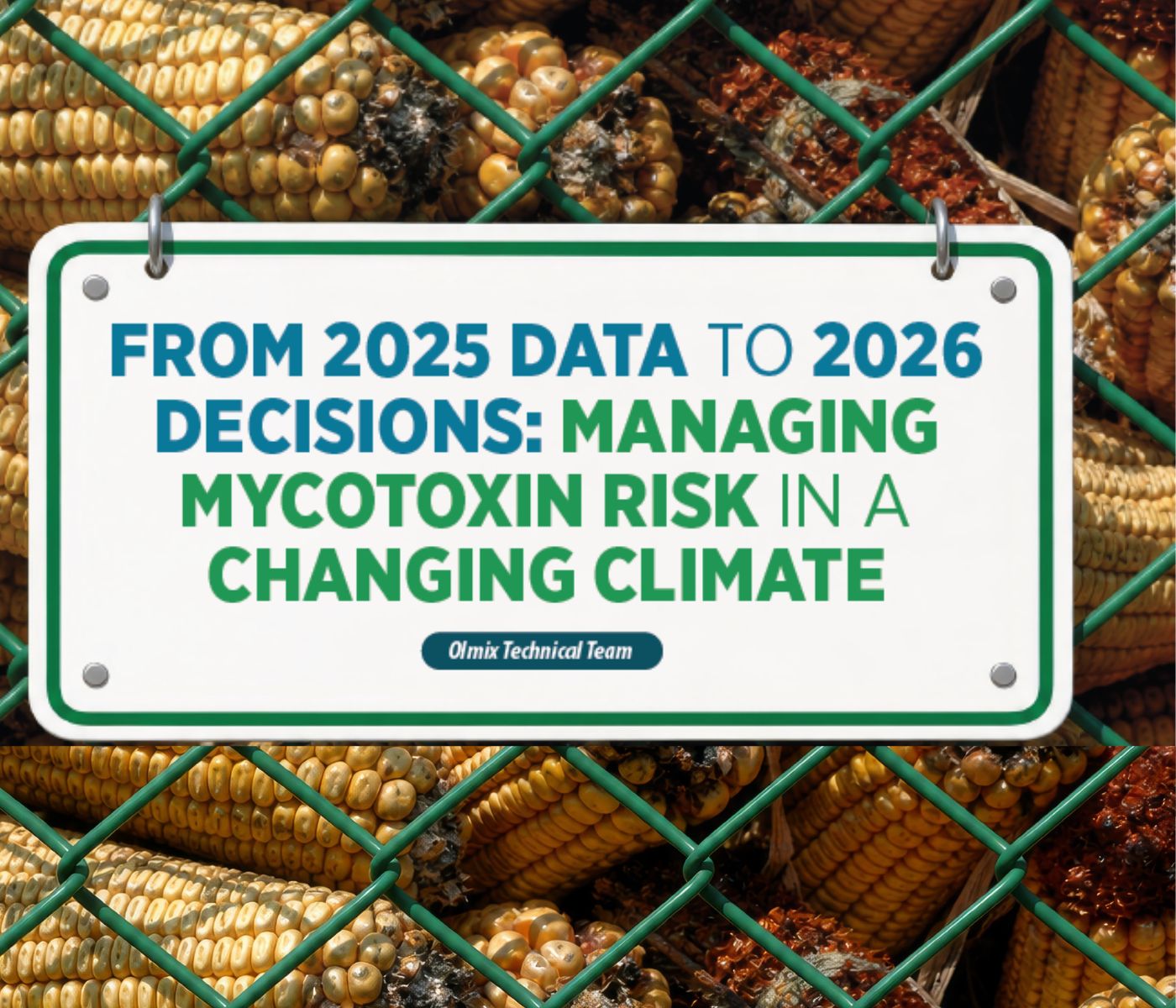
From 2025 Data to 2026 Decisions: Managing Mycotoxin Risk in a Changing Climate
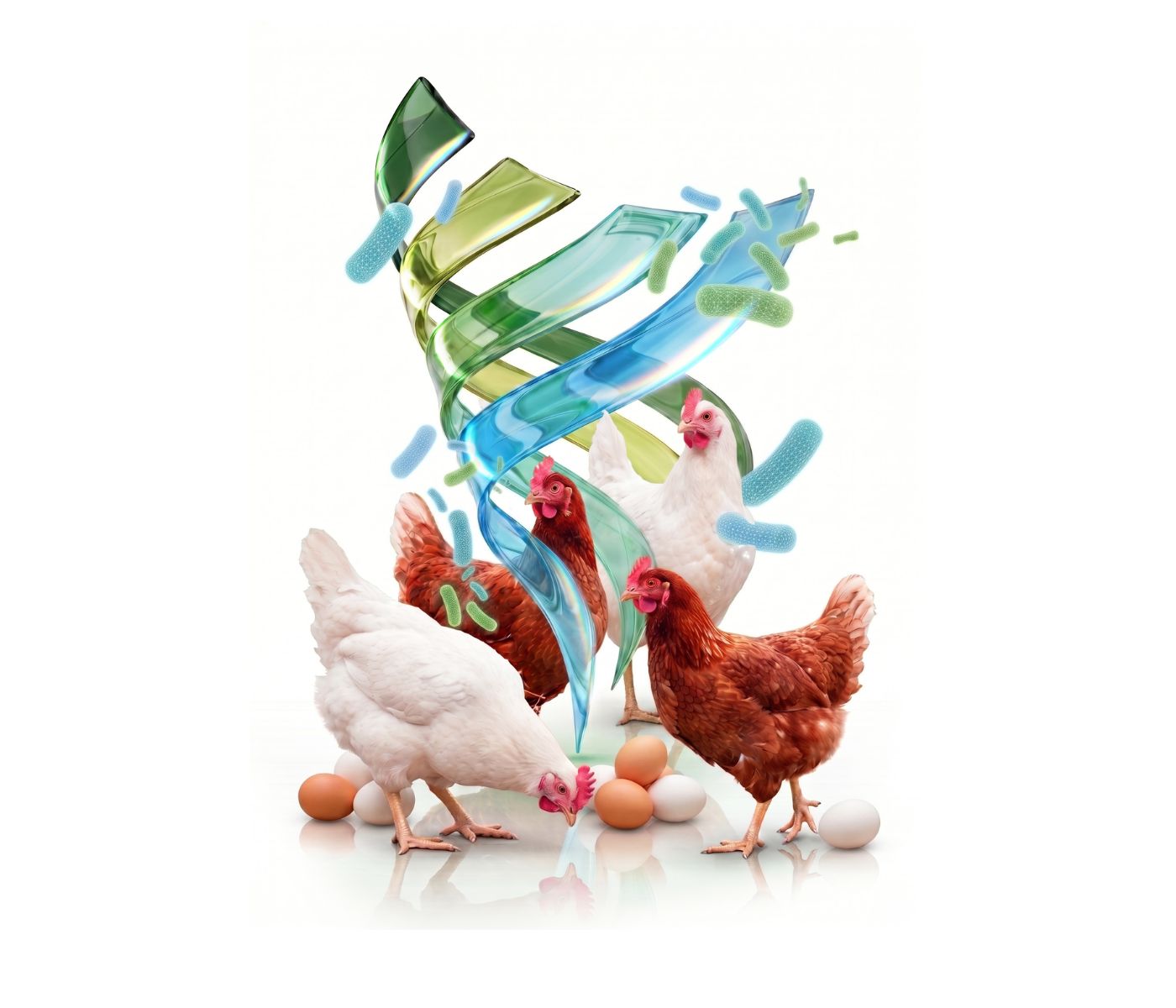
Alterion® NE Celebrates 10 Years of Poultry Gut Health Innovation
The Science Behind Kolin Plus: Beyond Choline Replacement
Summer Infertility in Sows: Managing Heat Stress and Reproductive Performance
AO-Biotics® Amaferm®: Supporting Livestock Digestion and Performance

Interview with Güner Gövenç
Güner Gövenç,
Net Energy and Precision Feeding Shape the Future of Poultry Nutrition
Edgar Oviedo
Mycotoxins in Swine: Health Risks and Nutritional Solutions
Giuseppe Carcò
Mycotoxins and Piglet Ear Necrosis: Cause, Cofactor or Coincidence?
Alberto Morillo
How Mycotoxins Affect Intestinal Health in Pigs and Poultry
Marcos Rostagno
From Antibiotics to Functional Feeds in Aquaculture
Babatunde Saliu
Peas as an Alternative to Soybean Meal in Beef Cattle Finishing Diets
Daniel Villalba Mata,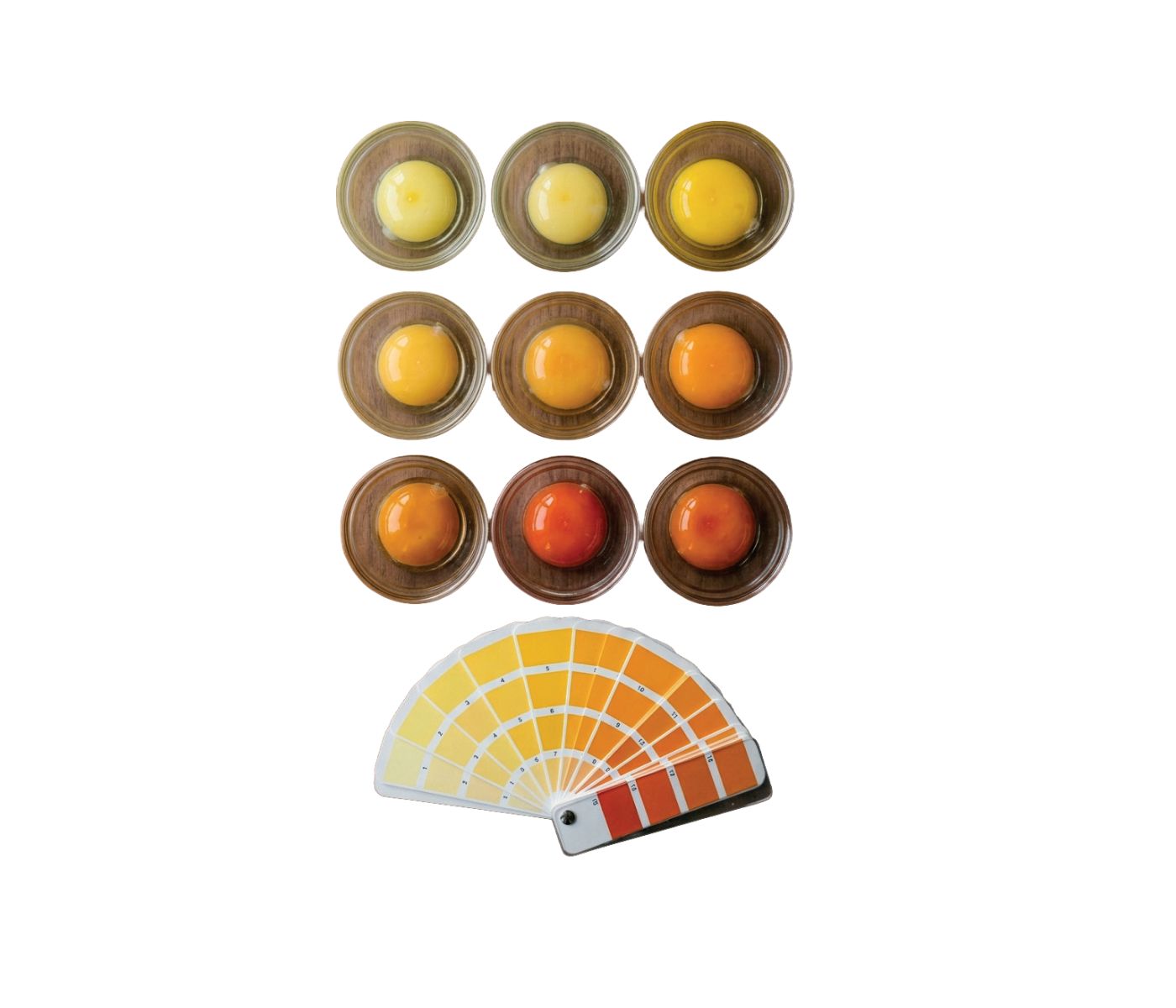
Improving Egg Yolk Pigmentation Through Better Nutrient Transport
Aquaculture and Aquaponics Nutrition: How Fish Shape the Growth of Greens
Trenton Corby
Consistency in Soybean Meal Drives Performance and Sustainability