 22 Jun 2023
Introduction
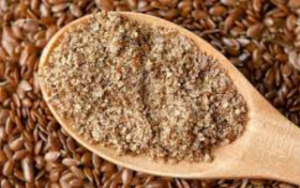 The present study aims to build upon previous research findings by exploring the effects of ground flaxseed (GFX; Linum usitatissimum) supplementation on ruminal microbiota diversity, enteric methane (CH4) emissions, and other relevant parameters in lactating dairy cows fed high-forage diets.
Earlier investigations have demonstrated the linear increase in milk proportions of total n-3 fatty acids and α-linolenic acid (ALA) in dairy cows when incremental amounts of GFX were incorporated into their diets (Resende et al., 2015). It is worth noting that oilseeds like GFX contain polyunsaturated fatty acids (PUFA) that exhibit toxicity towards ruminal methanogens and protozoa (Patra, 2013). Consequently, this toxicity has the potential to reduce enteric methane production in lactating dairy cows.

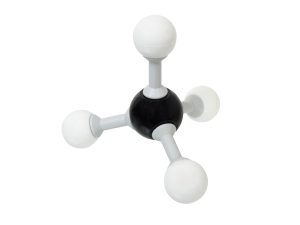
Previous studies by Martin et al. (2016) have observed linear reductions in CH4 production, CH4 yield, and CH4 intensity in dairy cows fed diets supplemented with increasing levels of extruded flaxseed. However, there is a dearth of research specifically investigating the effects of GFX on ruminal microbiota diversity, taxa, and enteric CH4 emissions in lactating dairy cows fed high-forage diets. Additionally, Schroeder et al. (2014) demonstrated varying “in situ” dry matter (DM) degradability rates for different forms of flaxseed, with GFX exhibiting a distinct degradability pattern. These findings imply that the processing method and form of flaxseed fed may have different impacts on ruminal fermentation processes, including methanogenesis, thus warranting further investigation with GFX.

Therefore, the objective of the current study was to evaluate the influence of incremental amounts of GFX on ruminal microbiota diversity and taxa, enteric CH4 emissions, and related parameters in lactating dairy cows fed high-forage diets. By delving into these aspects, the researchers in charge of the study aimed to contribute to the understanding of the potential benefits and mechanisms associated with GFX supplementation.The outcomes of their investigation may have significant implications for the improvement of dairy cow nutrition and the promotion of environmental sustainability.

The study
Researchers investigated the impact of increasing levels of ground flaxseed (GFX) on the diversity and relative abundance of ruminal microbiota taxa, enteric methane (CH4) emissions, and urinary excretion of purine derivatives (PD) in lactating dairy cows. The study aimed to explore the potential benefits and effects of GFX supplementation in the cows’ diet.
Materials & Methods
Results
 The study findings revealed that the dietary inclusion of GFX had no significant effect on ruminal microbiota diversity.
Moreover, a noticeable trend towards a linear reduction (P = 0.055) in enteric CH4 production was observed as the cows consumed higher amounts of GFX. However, there were no significant effects on CH4 yield, CH4 intensity, or the urinary excretion of uric acid, allantoin, and total PD.
Overall, the study suggested that GFX supplementation linearly decreased the relative abundance of Ruminococcus and Clostridium in the rumen, as well as enteric CH4 production. Importantly, there were no indications of negative impacts on CH4 yield, CH4 intensity, or microbial protein synthesis in the rumen, as reflected by the unchanged urinary excretion of total PD.
Conclusions
Source: Abstract taken from “Kleves V Almeida , Feeding incremental amounts of ground flaxseed: effects on diversity and relative abundance of ruminal microbiota and enteric methane emissions in lactating dairy cows, Translational Animal Science, Volume 7, Issue 1, January 2023.”

Subscribe now to the technical magazine of animal nutrition
AUTHORS

From 2025 Data to 2026 Decisions: Managing Mycotoxin Risk in a Changing Climate

Alterion® NE Celebrates 10 Years of Poultry Gut Health Innovation

The Science Behind Kolin Plus: Beyond Choline Replacement

Summer Infertility in Sows: Managing Heat Stress and Reproductive Performance
AO-Biotics® Amaferm®: Supporting Livestock Digestion and Performance

Interview with Güner Gövenç
Güner Gövenç,
Net Energy and Precision Feeding Shape the Future of Poultry Nutrition
Edgar Oviedo
Mycotoxins in Swine: Health Risks and Nutritional Solutions
Giuseppe Carcò
Mycotoxins and Piglet Ear Necrosis: Cause, Cofactor or Coincidence?
Alberto Morillo
How Mycotoxins Affect Intestinal Health in Pigs and Poultry
Marcos Rostagno
From Antibiotics to Functional Feeds in Aquaculture
Babatunde Saliu
Peas as an Alternative to Soybean Meal in Beef Cattle Finishing Diets
Daniel Villalba Mata,
Improving Egg Yolk Pigmentation Through Better Nutrient Transport

Aquaculture and Aquaponics Nutrition: How Fish Shape the Growth of Greens
Trenton Corby
Consistency in Soybean Meal Drives Performance and Sustainability