 06 Sep 2024
Resilience of the U.S. Pork Packing Industry: The Role of Labor and External Disruptions
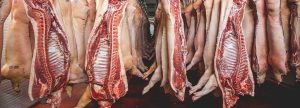
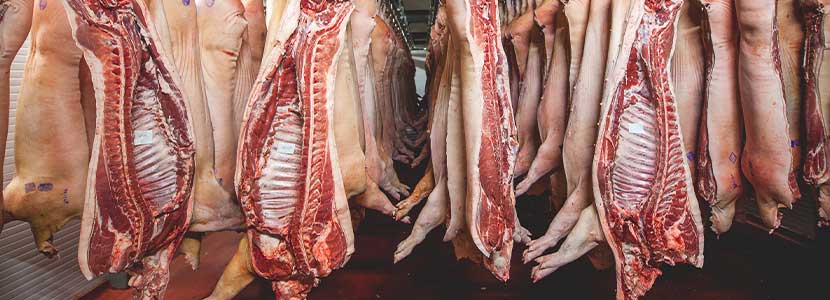
In a recent study by Padilla et al. (2023), researchers investigated how labor shortages, disasters, and population trends impacted the U.S. pork packing sector during the COVID-19 pandemic. Using a comprehensive panel dataset of 40 major hog slaughter plants, the study explored factors influencing reductions in production and plant shutdowns, offering new insights into the industry’s vulnerabilities.
The research revealed that larger pork processing plants were more likely to reduce their daily slaughter volumes compared to smaller facilities. An increase in physical plant capacity was found to correlate with greater reductions in daily processing, but notably, there was no significant link between plant size and the likelihood of a complete shutdown. This indicates that larger plants opted for strategic reductions in production rather than full closures in response to disruptions.
A key takeaway from the study is the critical role of labor availability in determining plant operations. Factors such as the number of COVID-19 cases, the location of plants in population-loss areas, and the occurrence of severe weather events all had a significant impact on the ability of plants to maintain production levels. This finding highlights that labor shortages, rather than just plant size, played a major role in limiting production during the pandemic.

The study also underscores the impact of external shocks, such as severe weather and the rural locations of many plants, which often struggle with labor supply. These environmental and local factors worsened the disruptions caused by the pandemic and could pose ongoing challenges for the industry in the face of future shocks.
The results suggest that increasing plant capacity alone is not enough to strengthen the resilience of the pork packing sector. The study calls for a broader focus on improving labor availability in rural areas, along with strategies to mitigate the impact of external disruptions such as severe weather. Addressing these challenges could help ensure the sector’s long-term sustainability and ability to withstand future crises.
Source: Padilla, S. L., MacLachlan, M. J., Vaiknoras, K., & Schulz, L. L. (2023). “Disasters, population trends, and their impact on the U.S. pork packing sector.” Food Policy, 118, 102458. https://doi.org/10.1016/j.foodpol.2023.102458



Subscribe now to the technical magazine of animal nutrition
AUTHORS
From 2025 Data to 2026 Decisions: Managing Mycotoxin Risk in a Changing Climate
Alterion® NE Celebrates 10 Years of Poultry Gut Health Innovation

The Science Behind Kolin Plus: Beyond Choline Replacement
Summer Infertility in Sows: Managing Heat Stress and Reproductive Performance
AO-Biotics® Amaferm®: Supporting Livestock Digestion and Performance

Interview with Güner Gövenç
Güner Gövenç,
Net Energy and Precision Feeding Shape the Future of Poultry Nutrition
Edgar Oviedo
Mycotoxins in Swine: Health Risks and Nutritional Solutions
Giuseppe Carcò
Mycotoxins and Piglet Ear Necrosis: Cause, Cofactor or Coincidence?
Alberto Morillo
How Mycotoxins Affect Intestinal Health in Pigs and Poultry
Marcos Rostagno
From Antibiotics to Functional Feeds in Aquaculture
Babatunde Saliu
Peas as an Alternative to Soybean Meal in Beef Cattle Finishing Diets
Daniel Villalba Mata,
Improving Egg Yolk Pigmentation Through Better Nutrient Transport

Aquaculture and Aquaponics Nutrition: How Fish Shape the Growth of Greens
Trenton Corby
Consistency in Soybean Meal Drives Performance and Sustainability