Impacts of Glyphosate-Based herbicides on poultry health, production, and reproduction
An additional aspect to monitor in feedstuffs
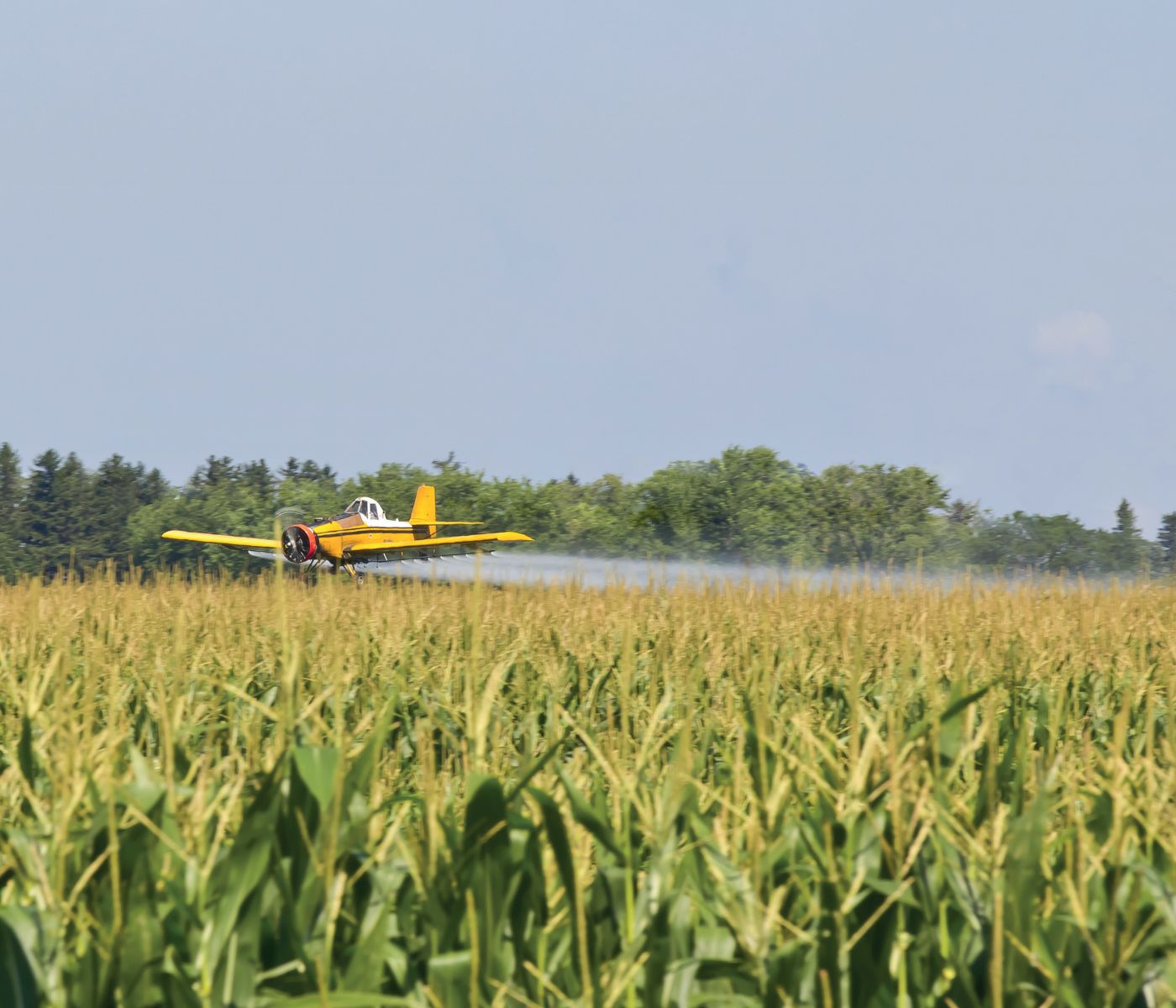
Most corn and soybeans used in poultry feed are glyphosate-tolerant (GT), making glyphosate-based herbicides (GBHs) an increasingly important issue in poultry nutrition and health.
Introduction
Glyphosate, also known as N-phosphonomethyl glycine, is a broad-spectrum, non-selective systemic herbicide widely used in modern agriculture to facilitate weed control throughout the crop growth season.
By 2019, approximately 94% of soybeans and 90% of corn cultivated in the United States were glyphosate-tolerant varieties. More than 80% of soybean meal used in poultry production worldwide comes from GT soybean.
As the use of herbicide-tolerant crops has increased dramatically since 1996, the use of GBHs has also expanded worldwide, becoming the main herbicides used in corn and soybean production systems.
Why This Matters
The growing use of GBHs increases the risk of glyphosate residues in feed ingredients, creating new concerns for poultry health, production efficiency, and reproductive performance.
Glyphosate Toxicity
Glyphosate has traditionally been considered safe from a nutritional standpoint. However, increasing scientific evidence suggests that long-term exposure to higher doses of glyphosate, its metabolites, and adjuvants may negatively affect:
- Gut health and microbiota balance
- Productive performance
- Reproductive physiology
- Embryo development
- Behavior and metabolism of progeny
Commercial GBHs contain between 356 and 540 g acid equivalent/liter of glyphosate, along with adjuvants and surfactants whose compositions are often confidential.
These chemical mixtures may be more toxic than glyphosate alone, making studies focused only on glyphosate insufficient to reflect real environmental exposure.
“The toxicity of commercial glyphosate formulations may be greater than glyphosate alone.”
Presence of Glyphosate Residues in Feedstuffs
Feed ingredients commonly used in poultry diets have been tested for glyphosate residues and its major metabolite AMPA (aminomethylphosphonic acid).
In the European Union, residues were detected in:
- 16% of soybeans
- 19% of barley
- 13% of wheat
In the United States, FDA reports residues in:
- 63% of corn samples
- 67% of soybean samples
Poultry may also be exposed through water, air, and environmental contamination near poultry houses.
Effects on Poultry Health and Production
Chronic exposure to GBHs can affect the intestinal barrier by altering proteins involved in
tight junctions, increasing the risk of:
- Leaky gut syndrome
- Inflammation
- Reduced nutrient absorption
- Impaired immune function
Glyphosate can also reduce intestinal villi function and negatively affect mineral and vitamin absorption.
It may promote pathogenic bacterial strains such as:
- Clostridium perfringens
- Salmonella spp.
- Escherichia spp.
- Shigella spp.
While reducing beneficial bacteria like:
- Lactobacillus spp.
- Bifidobacterium spp.
- Ruminococcaceae spp.
Recent Findings
Even at legally permitted levels, glyphosate exposure may reduce body weight gain and increase mortality rates in broilers.
Impact on Breeding Flocks
Long-term exposure to GBHs has been associated with:
- Endocrine disruption
- Reduced testosterone
- Lower sperm motility and concentration
- Testicular defects
- Lower hatchability
- Higher embryo mortality
Studies in both roosters and hens demonstrate that even legal exposure levels can impair reproductive performance and affect the metabolism of the next generation, confirming
transgenerational effects.
Potential Mitigation Strategies
Several feed additives have shown promising results in reducing the negative effects of GBHs, including:
- Humic acids
- Vitamin E
- Trehalose
- Hawthorn-leaf flavonoids
- Melatonin
Humic acids, for example, may absorb glyphosate and reduce its accumulation in the intestine, lung, spleen, and liver, while improving reproductive performance.
Vitamin E and melatonin help reduce oxidative stress and alleviate endocrine disruption, while trehalose may protect against kidney and testicular damage.
Conclusions
The toxicity of glyphosate-based herbicides is a growing global concern for both animals and humans.
Poultry species may be especially vulnerable because:
- Corn and soybeans are the main feed ingredients
- Most feedstuffs are glyphosate-tolerant
- Residues may be consistently present in feed
Animal nutritionists must pay closer attention to monitoring glyphosate concentrations and developing effective mitigation technologies for safer poultry production systems.
Future Perspective
As glyphosate exposure becomes increasingly unavoidable, the poultry industry must prioritize monitoring, prevention, and mitigation strategies to protect bird health and production efficiency.
🔒 Contenido exclusivo para usuarios registrados.
Regístrate gratis para acceder a este post y a muchos más contenidos especializados. Solo te llevará un minuto y tendrás acceso inmediato.
Iniciar sesiónRegístrate en nutriNews
REGISTRARME