



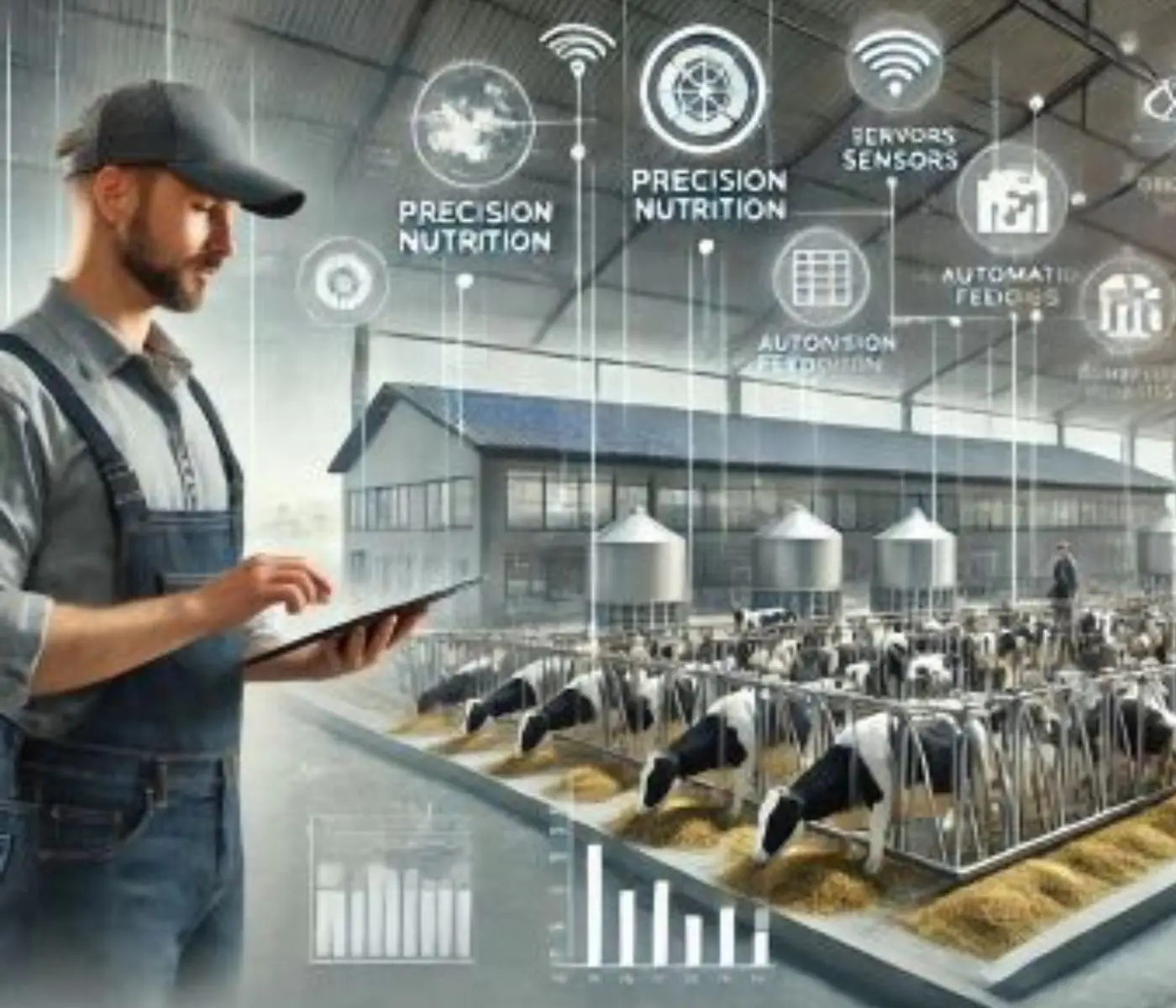
Key concept: Precision feeding aims to deliver the right nutrients, at the right time, in the right amount, based on the animal’s actual requirements.
 28 May 2026
Precision feeding is rapidly becoming one of the most transformative developments in modern animal nutrition. By aligning nutrient supply more closely with the real-time requirements of animals, producers can improve feed efficiency, reduce waste, support animal health and lower the environmental footprint of livestock production.
As feed costs remain volatile and sustainability pressures continue to grow, the livestock industry is increasingly looking toward technologies and nutritional strategies that improve efficiency without compromising performance.
Precision feeding represents a major shift in how nutrition is managed: moving away from static, average-based feeding programs and toward dynamic, data-driven nutrition.
Key concept: Precision feeding aims to deliver the right nutrients, at the right time, in the right amount, based on the animal’s actual requirements.

Traditional feeding systems are generally formulated around population averages. While this approach has supported decades of productivity gains, it does not account for the considerable variation that exists between animals.
Factors such as:
can all influence how much energy, protein, amino acids, vitamins and minerals an animal truly requires at any given time.



Precision feeding attempts to account for these differences by adjusting diets more accurately and more frequently. Instead of assuming all animals have identical needs, the system responds to real biological and production data.
This is particularly important because feed remains the largest cost in most livestock systems. Even relatively small improvements in feed efficiency or nutrient utilization can significantly affect profitability, especially in poultry, swine and dairy production.
Economic reality: A minor improvement in feed conversion ratio or nutrient efficiency can generate substantial savings across large commercial operations.
At its core, precision feeding depends on data collection and real-time decision-making.
Modern systems may integrate information from:
Using this information, feeding programs can adjust nutrient supply dynamically rather than relying on static formulations that remain unchanged for long periods.
In some advanced systems, feed delivery is modified several times per day according to live animal performance data.
In practical terms, precision feeding may involve:
The result is a more efficient use of feed ingredients and a reduction in the nutritional safety margins that often lead to unnecessary nutrient oversupply.
Practical advantage: Precision feeding helps nutritionists formulate diets closer to the animal’s actual requirements rather than relying on broad population averages.
One of the clearest advantages of precision feeding is improved feed efficiency.
When animals receive nutrients that more closely match their physiological needs, they are generally able to convert feed into meat, milk or eggs more effectively. Better nutrient matching can also help reduce variation in performance across a group.
This is particularly valuable in commercial systems where differences in growth rate or productivity can affect processing efficiency, carcass uniformity and overall profitability.
Precision feeding may also support:
Overfeeding protein or energy can increase metabolic stress and nutrient losses, while underfeeding critical nutrients can impair growth, immunity and production.
A more precise feeding approach helps avoid both extremes.
Precision feeding is increasingly associated with sustainability because it directly addresses one of the major environmental challenges in livestock production: nutrient excretion.
When diets contain excess protein or minerals beyond the animal’s actual requirements, the surplus is largely excreted into the environment.
By improving nutrient matching, precision feeding can help reduce:
This is becoming increasingly important as many regions tighten regulations around manure management, emissions and nutrient runoff.
Sustainability impact: More precise nutrient delivery means fewer wasted nutrients and lower environmental pressure from livestock production systems.
At the same time, reducing unnecessary nutrient inclusion can lower feed cost, particularly when protein meals, amino acids, minerals and specialty additives experience market volatility.
Another important advantage of precision feeding is its ability to support the use of alternative raw materials.
As feed manufacturers increasingly explore new protein sources, co-products and regional ingredients, variability in nutrient composition becomes a greater challenge.
Precision feeding systems allow nutritionists to compensate for this variability more accurately, improving flexibility in ingredient sourcing without sacrificing performance.
This may become increasingly important as the industry seeks more sustainable and locally available feed ingredients.
Despite its advantages, precision feeding is not simple to implement.
Successful adoption requires investment in:
Perhaps more importantly, precision feeding depends heavily on the quality of the underlying data.
If data collection is inaccurate or inconsistent, feeding systems may become “precise in the wrong direction,” leading to poor nutritional decisions.
There is also a management and cultural challenge. Many producers are accustomed to fixed feeding programs that are simpler to operate and less dependent on technology.
For this reason, adoption often begins in larger, more intensive production systems where the return on investment is easier to justify.
Important limitation: Precision feeding is only as effective as the quality of the data and management systems supporting it.
The future of livestock nutrition is likely to become increasingly dynamic and responsive.
As farms collect more real-time production data, feeding programs will continue evolving toward individualized or group-specific nutrient delivery. Advances in artificial intelligence, sensor technology and automated feeding systems are expected to accelerate this transition.
In the coming years, precision feeding may help producers respond more rapidly to:
The approach may also become increasingly important as the livestock sector faces pressure to improve both economic efficiency and environmental performance simultaneously.
Precision feeding represents more than a technological trend. It reflects a fundamental change in how animal nutrition is approached.
By moving from static, average-based feeding programs toward responsive, data-driven nutrition, producers can improve feed efficiency, reduce waste, support animal health and strengthen sustainability outcomes.
While challenges related to technology, cost and management remain, precision feeding is expected to play an increasingly important role in the future of poultry, swine and dairy production.
As livestock systems become more connected and data-driven, precision feeding may become one of the key tools shaping the next generation of animal nutrition.

Subscribe now to the technical magazine of animal nutrition
AUTHORS
From 2025 Data to 2026 Decisions: Managing Mycotoxin Risk in a Changing Climate
Alterion® NE Celebrates 10 Years of Poultry Gut Health Innovation
The Science Behind Kolin Plus: Beyond Choline Replacement

Summer Infertility in Sows: Managing Heat Stress and Reproductive Performance
AO-Biotics® Amaferm®: Supporting Livestock Digestion and Performance

Interview with Güner Gövenç
Güner Gövenç,
Net Energy and Precision Feeding Shape the Future of Poultry Nutrition
Edgar Oviedo
Mycotoxins in Swine: Health Risks and Nutritional Solutions
Giuseppe Carcò
Mycotoxins and Piglet Ear Necrosis: Cause, Cofactor or Coincidence?
Alberto Morillo
How Mycotoxins Affect Intestinal Health in Pigs and Poultry
Marcos Rostagno
From Antibiotics to Functional Feeds in Aquaculture
Babatunde Saliu
Peas as an Alternative to Soybean Meal in Beef Cattle Finishing Diets
Daniel Villalba Mata,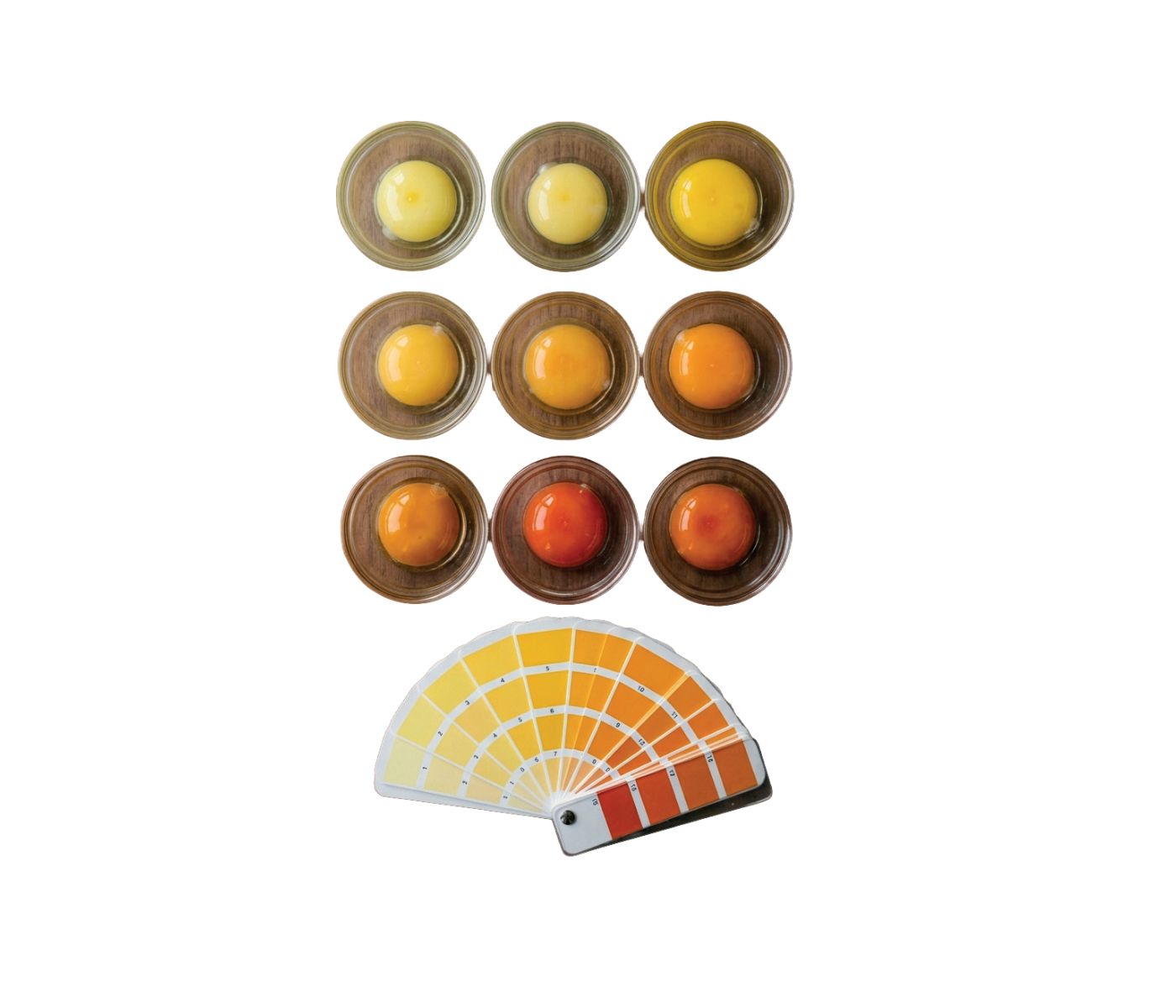
Improving Egg Yolk Pigmentation Through Better Nutrient Transport

Aquaculture and Aquaponics Nutrition: How Fish Shape the Growth of Greens
Trenton Corby
Consistency in Soybean Meal Drives Performance and Sustainability