Insect biorefineries and the future of sustainable animal nutrition
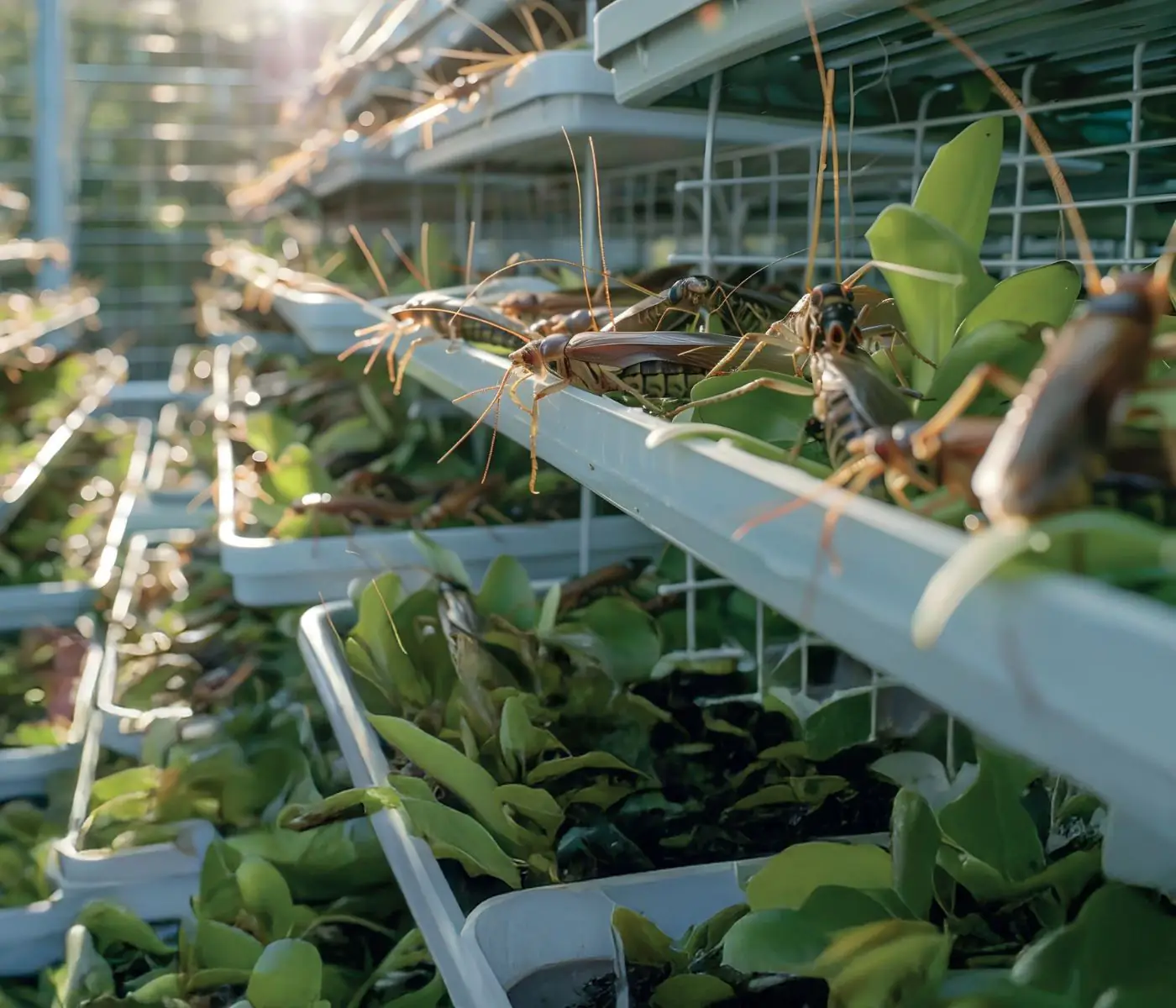
The insect sector is rapidly evolving beyond its original role as a simple alternative protein source. Today, modern insect production facilities are increasingly being designed as integrated biorefineries, capable of generating not only protein and oil for feed applications, but also high-value functional compounds with important implications for animal nutrition, gut health, and sustainable feed production.
This transition is reshaping how the industry views insect ingredients. Instead of focusing solely on protein replacement, insect biorefineries are positioning themselves as multifunctional platforms capable of delivering nutritional, functional, and sustainability benefits simultaneously.
Modern insect facilities can now produce protein, oil, antimicrobial peptides (AMPs), chitosan, and even finished pet food products from the same biomass stream.
A new generation of insect production
Traditional insect production focused primarily on generating insect meal as a fishmeal replacement. However, according to the article, insect facilities are increasingly operating under a biorefinery model, where multiple fractions are extracted and valorized.
A facility processing approximately 10 tons of fresh larvae per day can generate several valuable outputs:
- Protein and oil fractions for livestock feed and pet food
- Chitin and chitosan for functional nutrition applications
- Antimicrobial peptides (AMPs) for health-oriented feed strategies
While protein remains the primary product stream, the extraction of smaller high-value fractions significantly improves the economics and sustainability of insect production systems.
Why this matters
Integrated insect biorefineries improve ingredient consistency, stabilize production economics, and support more reliable feed ingredient supply chains.
Why insect biorefineries matter for animal nutrition
One of the major advantages of the biorefinery approach is improved process control. Facilities operating under integrated production systems tend to achieve:
- More standardized processing
- Better hygienic management of raw materials
- Improved stabilization of nutritional fractions
- Reduced dependence on commodity price fluctuations
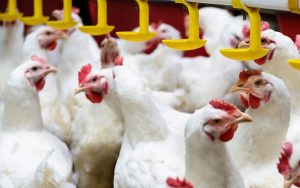
For feed manufacturers and nutritionists, this translates into more stable and predictable ingredients suitable for poultry, swine, aquaculture, and companion animal nutrition.
Better economics upstream often translates into more stable ingredient supply downstream.
Functional compounds with nutritional relevance
One of the most exciting developments in insect biorefineries is the extraction of biologically active compounds that go beyond traditional nutrition.
Antimicrobial peptides (AMPs)
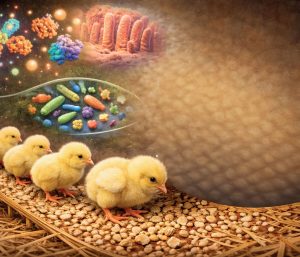
Antimicrobial peptides are naturally occurring defense molecules produced by insects to protect themselves against pathogens. Researchers and feed developers are increasingly interested in these compounds because of their potential to support:
- Gut microbial balance
- Preventive health strategies
- Reduced reliance on antibiotics
- Functional nutrition programs
The article explains that AMP molecules are highly sensitive and require careful stabilization through controlled processing conditions and rapid separation steps.
AMP molecules are considered promising candidates for next-generation functional feed additives.
Chitosan and gut health support
Another important functional compound derived from insect exoskeletons is chitosan, which is refined from chitin. Chitosan has attracted growing interest because of its potential effects on:
- Gut microbial stability
- Immune function
- Nutrient absorption
- Feed efficiency
The article highlights that chitosan may be particularly valuable in young animal nutrition, stress periods, and functional feed applications.
Emerging applications
Higher-purity chitosan fractions may also find applications in veterinary health products and biomaterials.
Protein and oil remain the nutritional core
Despite the interest in functional bioactives, protein and oil remain the main nutritional outputs of insect production systems.
After the extraction of high-value fractions, the remaining protein-rich mass continues to provide substantial nutritional value for:
- Pet food formulations
- Aquaculture feeds
- Poultry nutrition
- Swine diets
Importantly, the extraction of bioactive fractions does not necessarily reduce the nutritional value of the remaining protein. In many cases, processing can actually improve ingredient consistency and stability.
Insect-derived protein fractions are increasingly viewed as premium, digestible, and sustainable nutrition ingredients.
The rise of insect-based pet food
A growing trend highlighted in the article is the movement from ingredient production toward finished pet food products. Instead of selling insect meal only as a raw material, some facilities are beginning to manufacture complete wet pet food formulations using insect proteins combined with cereals, vitamins, and minerals.
This approach creates higher-value end products and helps stabilize the economics of insect production facilities.
Finished pet food products typically generate higher value per kilogram than raw insect ingredients alone.
Operational scale and industry growth
The article also explores the operational realities of large-scale insect biorefineries. Facilities processing around 10 tons of larvae per day require continuous operation, coordinated automation, and advanced process management.
Higher-quality production systems require greater investment and more personnel, but they also allow the production of premium functional ingredients capable of improving long-term profitability.
High-value bioactive compounds such as AMP molecules and premium chitosan may become major drivers of future insect industry profitability.
A new model for sustainable nutrition
The insect biorefinery concept represents a broader transformation in animal nutrition. Instead of relying exclusively on conventional protein systems, the industry is moving toward integrated production models capable of generating:
- High-quality protein and oil
- Functional bioactive compounds
- Finished nutrition products
- Sustainable and circular feed solutions
As pressure grows to improve sustainability, ingredient diversification, and feed efficiency, insect biorefineries may become one of the defining production models of next-generation animal nutrition systems.
Insect biorefineries are no longer simply alternative protein producers — they are emerging as multifunctional nutrition platforms capable of delivering sustainable, functional, and value-added feed solutions for the future of animal production.
🔒 Contenido exclusivo para usuarios registrados.
Regístrate gratis para acceder a este post y a muchos más contenidos especializados. Solo te llevará un minuto y tendrás acceso inmediato.
Iniciar sesiónRegístrate en nutriNews
REGISTRARME