 06 Aug 2024




Intestinal Microbiota and its Modulation through Diet in Dogs
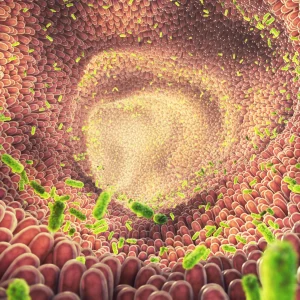
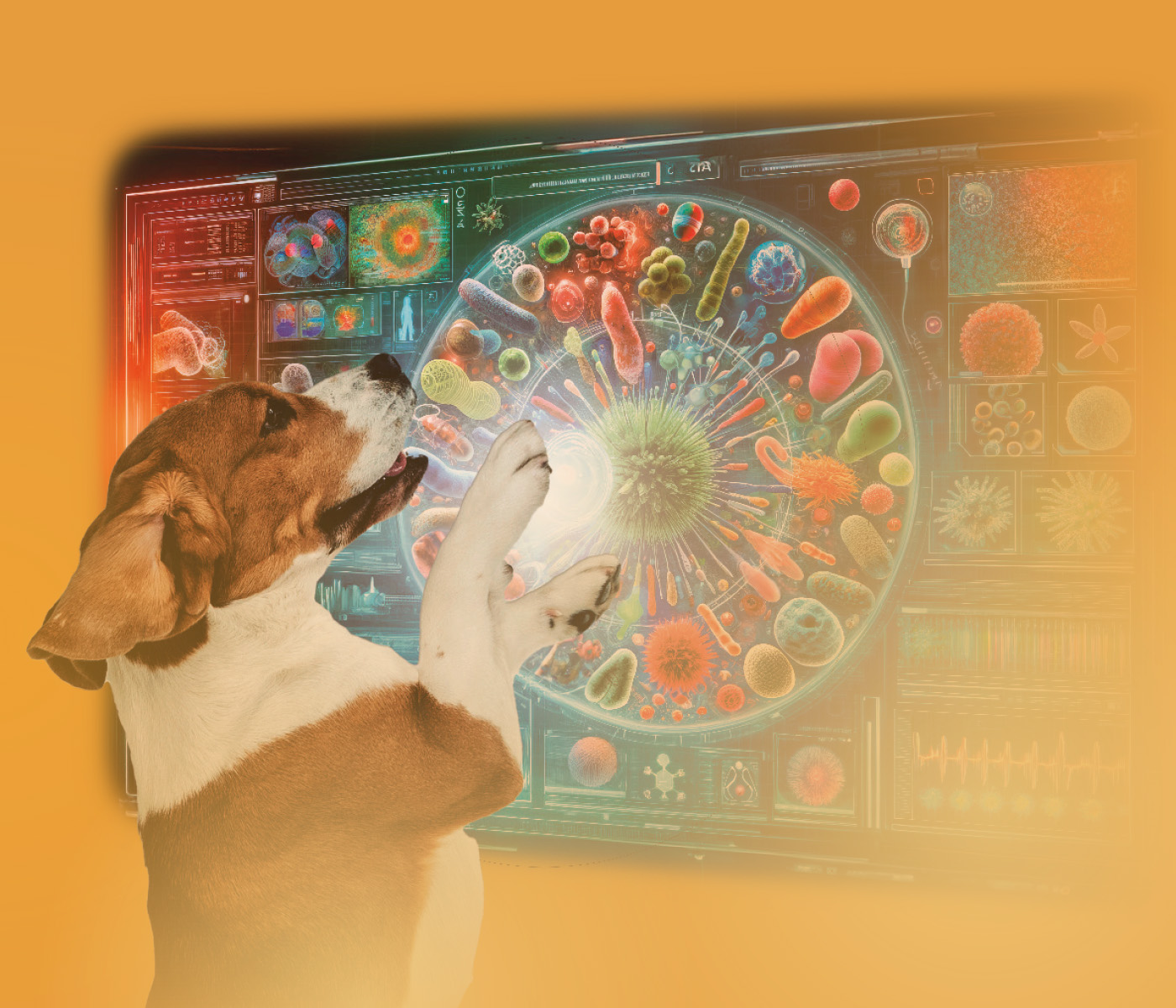
The gastrointestinal tract hosts a diverse microbiota, including bacteria, viruses, fungi, and protozoa (Suchodolski, 2021). This microscopic community plays a crucial role in the host’s bodily functions and maintaining homeostasis.
 The five main bacterial phyla in the microbiome of dogs and cats are: Firmicutes, Fusobacteriota, Bacteroidota, Proteobacteria and Actinobacteria. The five main bacterial phyla in the microbiome of dogs and cats are: Firmicutes, Fusobacteriota, Bacteroidota, Proteobacteria and Actinobacteria. |
Each phylum has specific substrate preferences for fermentation, producing various metabolites that can have either beneficial or adverse effects.


 Beneficial metabolites from bacterial fermentation, like short-chain fatty acids (SCFA) and secondary bile acids, include trophic and anti-inflammatory effects on the intestinal mucosa.
Conversely, some compounds, such as certain biogenic amines, ammonia, and phenols, can be toxic to the mucosa, harming the intestinal environment and interfering with fecal quality (Garrigues et al., 2022).
 The intestinal microbiota also contributes to the immune system by defending against non-resident intestinal pathogens (Suchodolski, 2011).


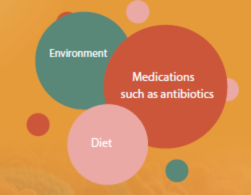
When the microbiota is in balance (eubiosis), it positively impacts bodily functions, supporting the immune system (Arpaia et al., 2013; Suchodolski, 2016). However, this balance can be disrupted by various factors, such as:
(Schmidt et al., 2018; Vilson et al., 2018; Pilla et al., 2020)
The following sections will discuss the main bacteria related to canine intestinal health and how diet can aid in their modulation.
Sentinel Bacteria of the Gastrointestinal Tract



Subscribe now to the technical magazine of animal nutrition
AUTHORS
From 2025 Data to 2026 Decisions: Managing Mycotoxin Risk in a Changing Climate
Alterion® NE Celebrates 10 Years of Poultry Gut Health Innovation
The Science Behind Kolin Plus: Beyond Choline Replacement
Summer Infertility in Sows: Managing Heat Stress and Reproductive Performance
AO-Biotics® Amaferm®: Supporting Livestock Digestion and Performance

Interview with Güner Gövenç
Güner Gövenç,
Net Energy and Precision Feeding Shape the Future of Poultry Nutrition
Edgar Oviedo
Mycotoxins in Swine: Health Risks and Nutritional Solutions
Giuseppe Carcò
Mycotoxins and Piglet Ear Necrosis: Cause, Cofactor or Coincidence?
Alberto Morillo
How Mycotoxins Affect Intestinal Health in Pigs and Poultry
Marcos Rostagno
From Antibiotics to Functional Feeds in Aquaculture
Babatunde Saliu
Peas as an Alternative to Soybean Meal in Beef Cattle Finishing Diets
Daniel Villalba Mata,
Improving Egg Yolk Pigmentation Through Better Nutrient Transport

Aquaculture and Aquaponics Nutrition: How Fish Shape the Growth of Greens
Trenton Corby
Consistency in Soybean Meal Drives Performance and Sustainability