Invisible enemies in feed: how mycotoxins reduce livestock productivity
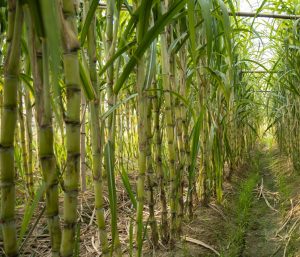
Mycotoxins remain one of the most persistent and economically important challenges affecting modern animal production systems. These toxic compounds, produced by fungi such as Aspergillus, Fusarium, and Penicillium, can contaminate feed ingredients both before harvest and during storage, compromising animal health, productivity, and feed safety.
Despite advances in quality control and feed management, complete elimination of mycotoxins from feed chains remains virtually impossible. As a result, mitigation strategies — especially the use of mycotoxin binders — have become increasingly important in livestock nutrition programs.
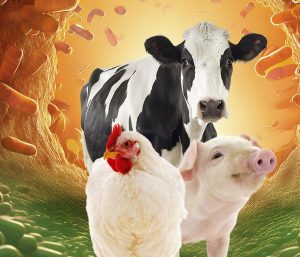
Mycotoxins reduce livestock productivity, impair immunity, compromise reproductive performance, and generate major economic losses across poultry, swine, and cattle systems.
Why mycotoxins are a global concern
It is estimated that up to 25% of global crops may be contaminated with mycotoxins annually, although incidence rates can be even higher in tropical and subtropical regions.
In intensive production systems, chronic exposure to contaminated feed may result in:
- Reduced growth performance
- Poor feed conversion
- Immunosuppression
- Reproductive losses
- Higher mortality
- Greater veterinary costs
The impact is often multifactorial because feeds may contain multiple mycotoxins simultaneously, creating additive or synergistic effects.
Even subclinical mycotoxin exposure can significantly reduce animal performance and profitability over time.
The impact of mycotoxins in poultry
Poultry species are especially sensitive to mycotoxins due to their rapid growth rates, high feed intake, and relatively sensitive gastrointestinal systems. The most important mycotoxins affecting poultry include:
- Aflatoxins
- Ochratoxin A
- Deoxynivalenol (DON)
- T-2 toxin
- Fumonisins
Aflatoxins primarily affect liver function and may cause:
- Reduced weight gain
- Poor feed conversion
- Liver lesions
- Lower egg production
- Greater susceptibility to disease
Ochratoxin A impairs kidney function and suppresses immunity, while DON damages the intestinal mucosa and reduces feed intake. T-2 toxin is highly cytotoxic and may reduce hatchability and immune competence.
In poultry systems, mycotoxins may compromise growth, immunity, egg production, and feed efficiency simultaneously.
The impact of mycotoxins in swine
Swine are considered one of the livestock species most sensitive to mycotoxins, particularly trichothecenes such as DON and T-2 toxin. Since pigs consume large quantities of grain-based feeds, exposure is often continuous and involves multiple toxins.
Among the most relevant toxins in swine production are:
- DON (vomitoxin)
- Zearalenone (ZEN)
- Aflatoxins
- Fumonisins
DON commonly causes reduced feed intake and impaired intestinal integrity, while ZEN has major reproductive effects such as:
- Vulvar swelling
- Irregular estrous cycles
- Abortions
- Reduced litter size
- Lower fertility
Fumonisins can induce pulmonary edema syndrome and alter immune responses, whereas aflatoxins contribute to liver damage and immunosuppression.
Chronic mycotoxin exposure in swine herds can severely undermine growth performance, reproductive efficiency, and overall herd productivity.
The impact of mycotoxins in cattle
Ruminants are generally more tolerant to mycotoxins because ruminal microbiota can partially detoxify some compounds. However, this protection is not absolute, especially under conditions of:
- High mycotoxin loads
- Ruminal acidosis
- High-producing dairy systems
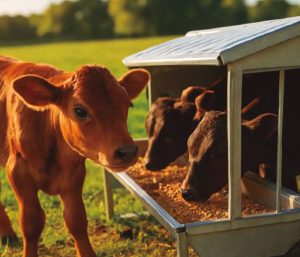
- Young calves with immature rumens
Aflatoxins are especially concerning in dairy cattle because aflatoxin B1 consumed in feed may be converted into aflatoxin M1 and excreted in milk, creating food safety concerns.
Other important impacts include:
- Reduced milk yield
- Lower dry matter intake
- Reproductive losses
- Digestive disorders
- Reduced carcass quality
Mycotoxins in dairy systems can impact both animal productivity and food safety through milk contamination risks.
The role of mycotoxin binders
Since complete elimination of mycotoxins from feed is not feasible, mycotoxin binders have become a cornerstone strategy in feed formulation and feed safety programs.
These additives function by reducing the bioavailability of toxins in the gastrointestinal tract through adsorption or biotransformation mechanisms.
- Reduced toxin absorption
- Improved animal performance
- Enhanced immune function
- Lower mortality and veterinary costs
- Improved food safety
Mycotoxin binders help reduce systemic toxin exposure and support healthier, more productive livestock systems.
Conclusion
Mycotoxins remain among the most costly and persistent threats facing animal agriculture. Their effects extend across health, immunity, productivity, reproduction, and food safety.
Modern mycotoxin binders — whether mineral, organic, enzymatic, or combination-based — provide valuable tools for reducing toxin bioavailability and supporting livestock performance.
When combined with preventive feed management and robust quality control systems, these technologies help create healthier animals, safer food products, and more sustainable livestock production systems.
🔒 Contenido exclusivo para usuarios registrados.
Regístrate gratis para acceder a este post y a muchos más contenidos especializados. Solo te llevará un minuto y tendrás acceso inmediato.
Iniciar sesiónRegístrate en nutriNews
REGISTRARME