



Modern mycotoxin management is no longer based on a single solution. Effective programs combine prevention, monitoring, adsorption, biotransformation, and nutritional support strategies.
 02 Jun 2026
Mycotoxins remain one of the most persistent and economically important feed-quality challenges facing modern livestock production. Despite advances in crop management, storage systems, and feed manufacturing, contamination by fungal metabolites continues to affect poultry, swine, dairy cattle, beef cattle, and aquaculture systems worldwide.
Modern mycotoxin management is no longer based on a single solution. Effective programs combine prevention, monitoring, adsorption, biotransformation, and nutritional support strategies.
The challenge is particularly complex because mycotoxins are rarely present individually. Instead, multiple toxins often occur simultaneously in feed ingredients, creating additive or synergistic effects that may impair animal performance even when contamination levels remain below regulatory guidance values.
The major feed-borne mycotoxins of concern include:


These compounds can affect multiple physiological systems, including intestinal integrity, liver function, immune competence, reproductive performance, nutrient utilization, and growth efficiency.
Mycotoxins do not always cause visible clinical disease. Subclinical contamination can reduce feed efficiency, immune function, reproductive performance, and profitability long before obvious symptoms appear.
The most widely used antimycotoxin approach remains adsorption. Clay-based products, aluminosilicates, bentonites, hydrated sodium calcium aluminosilicates, activated carbons, and yeast-cell-wall derivatives are designed to bind toxins within the gastrointestinal tract and prevent their absorption.
These products are particularly effective against aflatoxins, which possess chemical structures that readily interact with adsorption surfaces. However, efficacy varies depending on toxin structure, animal species, diet composition, binder inclusion level, and gut environment.
Adsorption remains the foundation of many antimycotoxin programs, particularly for aflatoxin management, but no binder is universally effective against all mycotoxins.
A major advancement in recent years has been the development of enzymatic and microbial detoxification technologies. Unlike binders, these products actively transform toxins into metabolites with lower biological activity.
One important example is fumonisin esterase, which converts fumonisins into less toxic compounds and became the first mycotoxin-degrading technology approved through the FDA food additive petition process in the United States.
Biotransformation technologies represent one of the most promising areas of antimycotoxin innovation because they target toxins directly rather than simply preventing absorption.
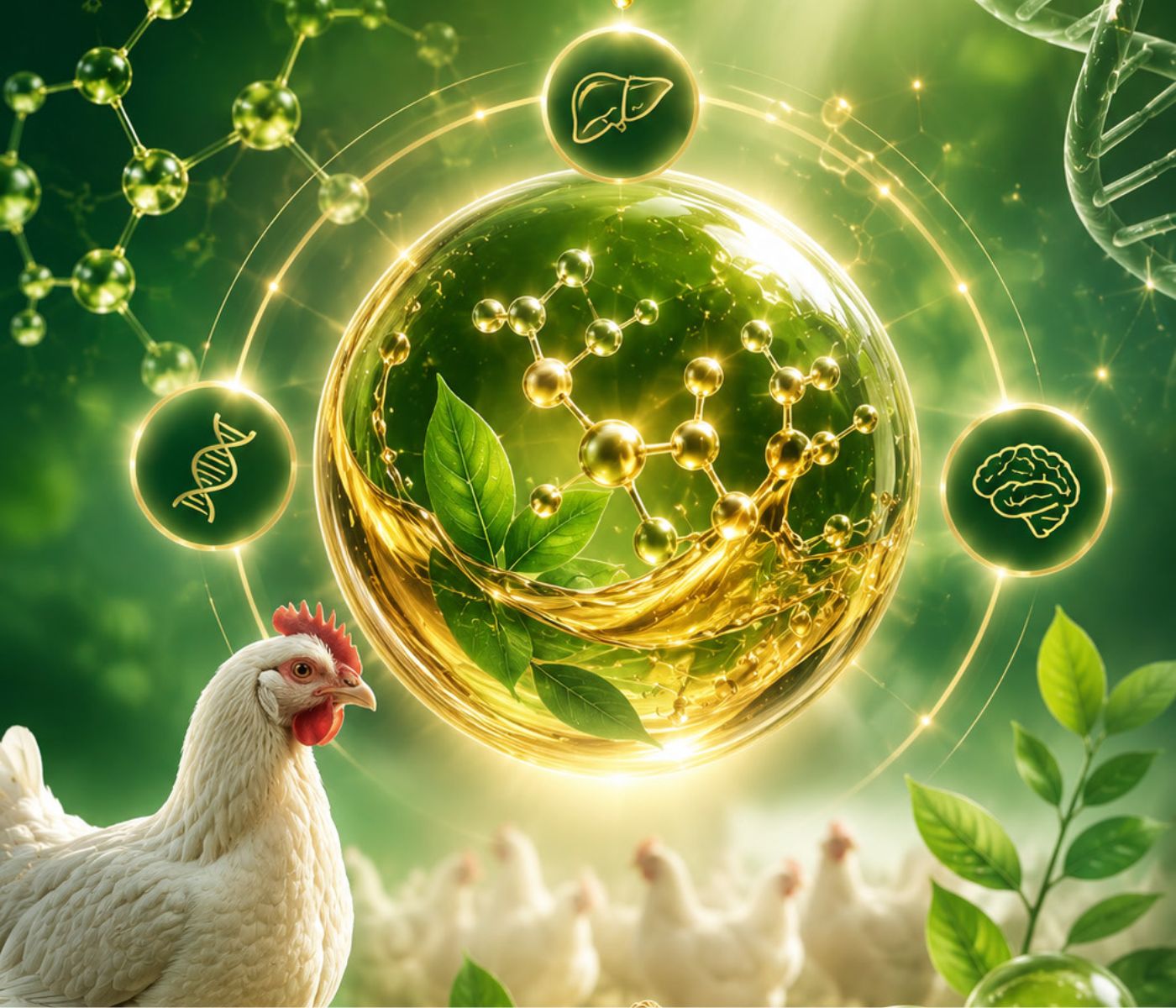
Phytogenic technologies are gaining attention for their antioxidant, hepatoprotective, anti-inflammatory, and gut-supportive properties. These products usually do not neutralize toxins directly, but they may help reduce the physiological damage associated with mycotoxin exposure.
Promising compounds include curcumin, silymarin, grape pomace, olive pomace, orange peel extracts, and other polyphenol-rich botanical ingredients.
Phytogenic solutions are best understood as resilience-support tools that help animals cope with oxidative stress, inflammation, and liver challenges under mycotoxin exposure.
The science suggests that no single additive is universally effective against all mycotoxins. Adsorbing agents can reduce bioavailability for some toxins, but efficacy depends on toxin chemistry and whether the agent is truly selective.
More recent systematic work shows that binder efficacy remains a major topic because grain contamination is often multi-toxin rather than single-toxin. In other words, the industry’s challenge is not only whether a product works, but which toxins it works against, in which species, and under which dietary conditions.
The key question is not only whether an antimycotoxin product works, but which toxins it works against, in which species, and under which production conditions.
Recent research also shows that seasonal and management effects can influence mycotoxin contamination in animal feed. A 2025 case study found that seasonality explained less than 15% of variability, suggesting that storage, crop handling, and regional management can be as important as weather in shaping risk.
Poultry diets are especially vulnerable because they rely heavily on cereal-based ingredients and because feed conversion efficiency is highly sensitive to intestinal health and nutrient quality.
Effective antimycotoxin strategies can help preserve growth performance, feed conversion ratio, gut integrity, immune competence, and carcass quality.
Swine are highly sensitive to DON and zearalenone. Subclinical exposure can reduce feed intake, growth rate, reproductive performance, and immune response.
Ruminants benefit from partial detoxification by rumen microorganisms. However, this protection is not absolute. Certain toxins may escape ruminal degradation or alter microbial populations, potentially affecting milk production, feed efficiency, immune function, and metabolic health.
Species-specific formulation is essential because poultry, swine, and ruminants differ in sensitivity, metabolism, digestive physiology, and production response to mycotoxin exposure.
Feed additives should be seen as part of a broader program, not a substitute for raw-material control. Testing incoming ingredients, managing moisture, preventing storage mold, and reducing carry-over in the feed mill remain essential.
The best programs combine:
Feed additives are most effective when integrated into broader prevention programs rather than used as stand-alone solutions.
The next phase of antimycotoxin innovation is likely to focus on three areas:
The market is moving toward solutions that do more than capture toxins; future products will be expected to help maintain productivity under real-world challenge conditions.
Mycotoxins will remain a significant challenge for global livestock production. However, advances in adsorption technologies, enzymatic detoxification, phytogenic support products, and integrated management programs are providing producers with increasingly sophisticated tools to reduce risk.
As contamination patterns become more complex and multi-mycotoxin exposure becomes the norm rather than the exception, future success will depend on combining feed safety, nutritional precision, and animal resilience within comprehensive mycotoxin management strategies.
The future of antimycotoxin nutrition lies not in a single technology, but in integrated strategies that protect animal health, preserve productivity, and improve resilience under commercial production conditions.
Subscribe now to the technical magazine of animal nutrition
AUTHORS
From 2025 Data to 2026 Decisions: Managing Mycotoxin Risk in a Changing Climate
Alterion® NE Celebrates 10 Years of Poultry Gut Health Innovation
The Science Behind Kolin Plus: Beyond Choline Replacement
Summer Infertility in Sows: Managing Heat Stress and Reproductive Performance
AO-Biotics® Amaferm®: Supporting Livestock Digestion and Performance

Interview with Güner Gövenç
Güner Gövenç,
Net Energy and Precision Feeding Shape the Future of Poultry Nutrition
Edgar Oviedo
Mycotoxins in Swine: Health Risks and Nutritional Solutions
Giuseppe Carcò
Mycotoxins and Piglet Ear Necrosis: Cause, Cofactor or Coincidence?
Alberto Morillo
How Mycotoxins Affect Intestinal Health in Pigs and Poultry
Marcos Rostagno
From Antibiotics to Functional Feeds in Aquaculture
Babatunde Saliu
Peas as an Alternative to Soybean Meal in Beef Cattle Finishing Diets
Daniel Villalba Mata,
Improving Egg Yolk Pigmentation Through Better Nutrient Transport

Aquaculture and Aquaponics Nutrition: How Fish Shape the Growth of Greens
Trenton Corby
Consistency in Soybean Meal Drives Performance and Sustainability