 10 Jun 2022
Isoquinoline alkaloids found in pink poppy plants present themselves as a promising natural ingredient to improve growth performance and health in Pacific white shrimp according to a study carried out in Thailand.
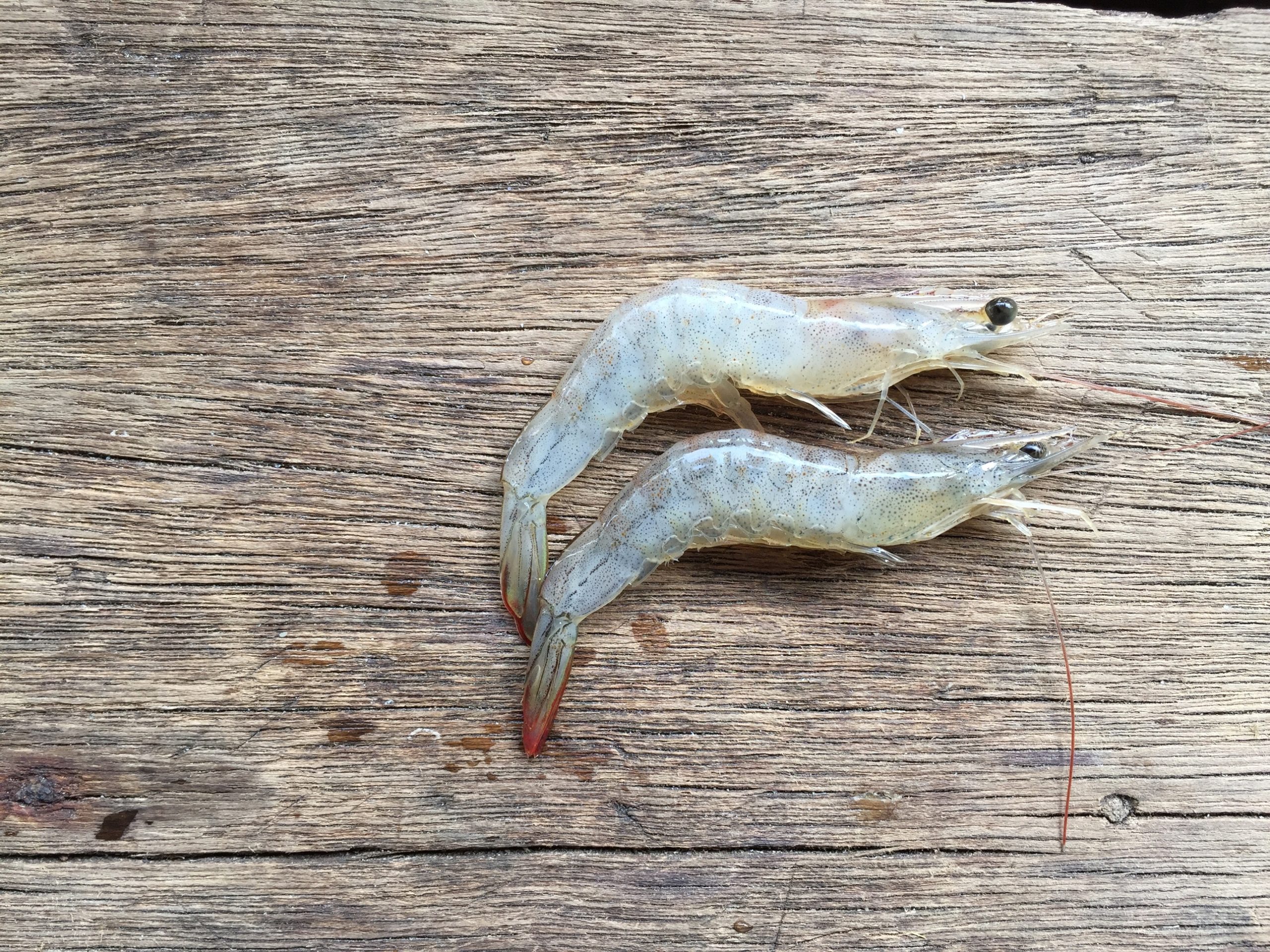
Natural products derived from plants are increasingly being used as food additives in animal production; both for terrestrial and aquatic species. Medicinal plants usually have multiple biological activities such as: antimicrobial, anti-inflammatory, antioxidant, immunostimulant and appetite stimulant effects. These have the capacity to potentially improve growth performance and health status in animals.
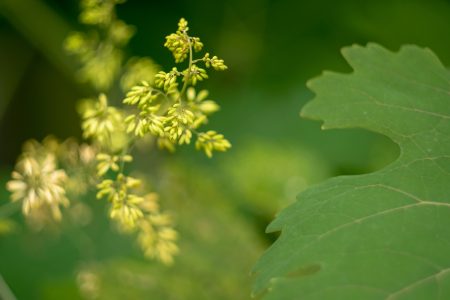

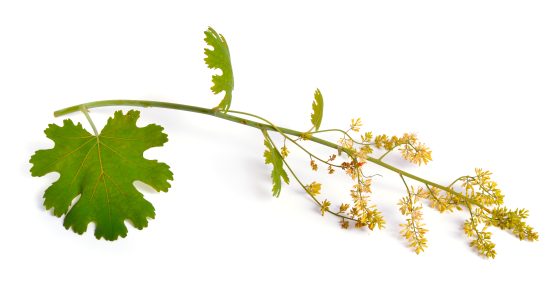
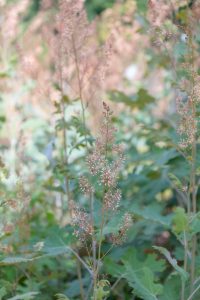
Plant-derived isoquinoline alkaloids (IQs) are natural active components of several plants, including Macleaya cordata or pink plume poppy. The latter is a perennial herbaceous plant of the Papaveraceae family which is widely distributed throughout China.
⇒ It has long been used in traditional Chinese medicine as a topical agent for the treatment of inflammation and certain skin diseases.


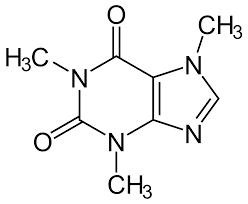
The main bioactive isoquinoline alkaloids are:
|
They are well known for their anti-inflammatory and antimicrobial properties |
As for the distribution of sanguinarine and chelerythrine within the plant, the highest concentration of both alkaloids is found in the capsules (32.08 and 7.36 mg/g dry weight, respectively), followed by the aerial part (4.51 and 2.88 mg/g dry weight, respectively), and in very low concentrations within the seeds (0.07 and 0.02 mg/g dry weight, respectively)
Currently, isoquinoline alkaloids are considered promising feed additives that can help improve overall animal health and in turn replace antibiotic use for growth promoting purposes in livestock.
Objective
A study was carried out with purpose of investigating the effects of two different dietary formulas with IQ extracts.
Materials and methods
About the 2 experiments
– Experiment 1:
– Experiment 2:
Conclusions
 All shrimp fed the powdered formula in experiment 1 had significantly higher survival rates and immunological parameters than the control group. However, growth results were similar for all the groups.
In experiment 2, all groups fed the granulated and water-soluble formula showed better growth results and survival rates compared to the positive control.
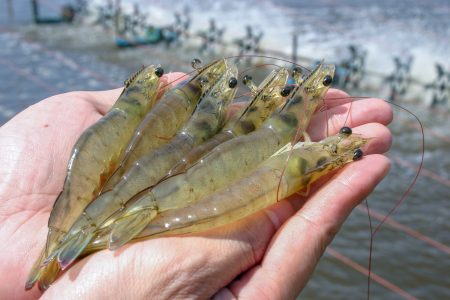
Only white prawns infected with Vibrio parahaemolyticus and fed IQs exhibited significant body weight improvements compared to the control group. Healthy shrimp did not present significant improvements.
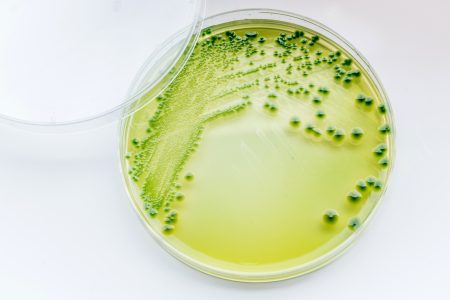
These results support hypotheses regarding the growth promoting effects of IQ compounds due to to their antimicrobial and anti-inflammatory properties.
Finally, researchers stated that isoquinoline alkaloids derived from poppies, benefit Pacific white prawns and can be used as a feed additive that improves the overall health status of shrimp and contributes to sustainable production.
Subscribe now to the technical magazine of animal nutrition
AUTHORS
From 2025 Data to 2026 Decisions: Managing Mycotoxin Risk in a Changing Climate
Alterion® NE Celebrates 10 Years of Poultry Gut Health Innovation
The Science Behind Kolin Plus: Beyond Choline Replacement

Summer Infertility in Sows: Managing Heat Stress and Reproductive Performance
AO-Biotics® Amaferm®: Supporting Livestock Digestion and Performance

Interview with Güner Gövenç
Güner Gövenç,
Net Energy and Precision Feeding Shape the Future of Poultry Nutrition
Edgar Oviedo
Mycotoxins in Swine: Health Risks and Nutritional Solutions
Giuseppe Carcò
Mycotoxins and Piglet Ear Necrosis: Cause, Cofactor or Coincidence?
Alberto Morillo
How Mycotoxins Affect Intestinal Health in Pigs and Poultry
Marcos Rostagno
From Antibiotics to Functional Feeds in Aquaculture
Babatunde Saliu
Peas as an Alternative to Soybean Meal in Beef Cattle Finishing Diets
Daniel Villalba Mata,
Improving Egg Yolk Pigmentation Through Better Nutrient Transport
Aquaculture and Aquaponics Nutrition: How Fish Shape the Growth of Greens
Trenton Corby
Consistency in Soybean Meal Drives Performance and Sustainability