 07 Sep 2024
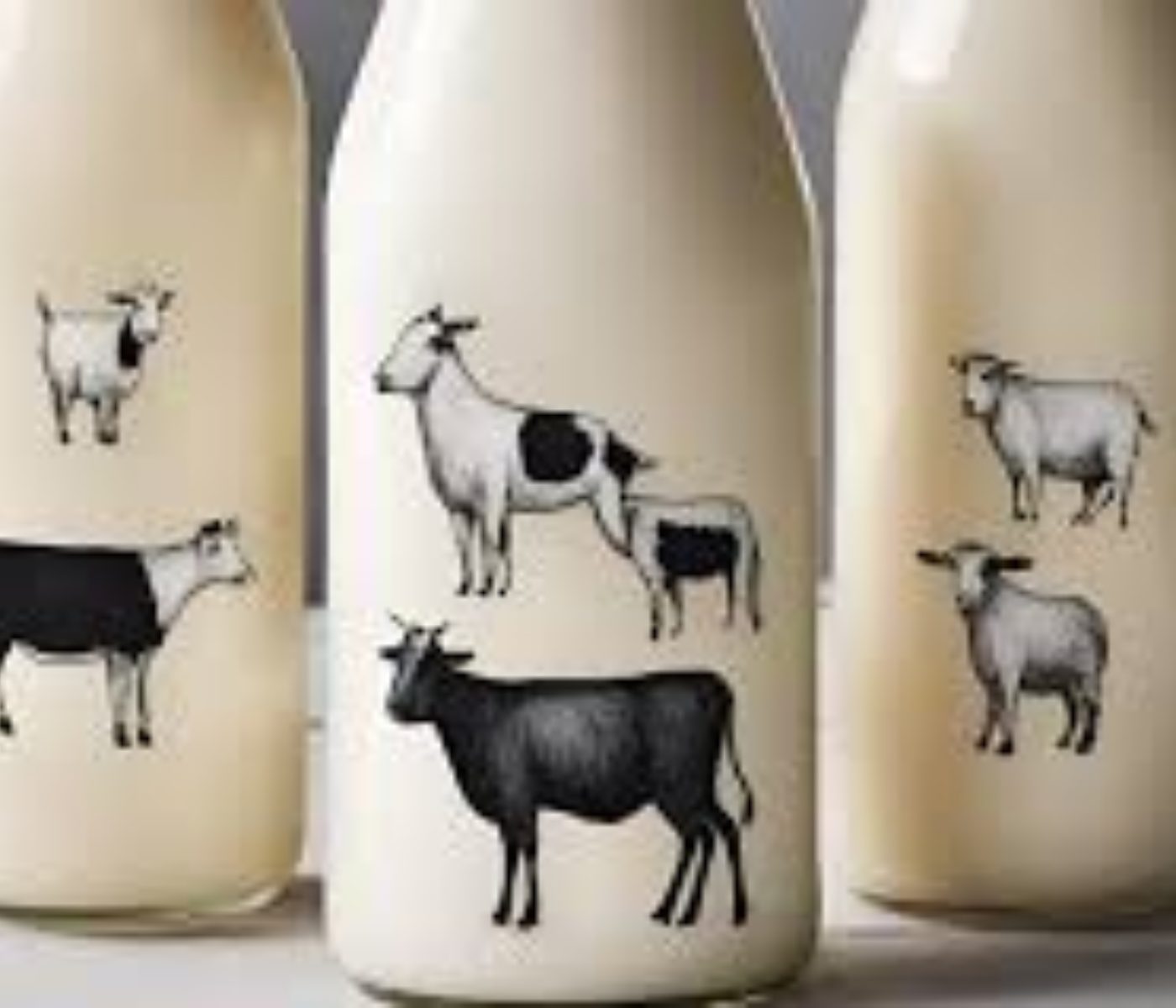
Composition of Milk: A Comparison Between the Milk of Bovine, Caprine, and Ovine Species
Milk is an essential biological liquid produced by the mammary glands of female mammals, serving as the primary source of nutrition for their offspring during the early stages of life.
The composition of milk varies between species, which affects its nutritional value and functional properties. Below is a detailed comparative analysis of the milk from three species: bovine, caprine, and ovine, covering its water content, carbohydrates, proteins, fats, vitamins, and minerals.
1.Water Water is the main component of milk, and its content varies slightly between species, playing a crucial role as a transport vehicle for other nutrients.

2. Carbohydrates Lactose is the main carbohydrate present in the milk of all species, with its concentration remaining fairly constant regardless of breed within a species.
3. Proteins The proteins in milk are primarily divided into caseins and whey proteins, playing a fundamental role in the growth and development of neonates.


4. Fat Fat globules in milk are an important energy source and provide essential fatty acids, with significant variation in their concentration between species.
5. Vitamins and Minerals The milk of all species is an important source of essential micronutrients, though in different concentrations.
| Component | Bovine Milk (%) | Caprine Milk (%) | Ovine Milk (%) |
|---|---|---|---|
| Water | 87.00 | 88.00 | 80.00 |
| Total Solids | 13.00 | 12.00 | 20.00 |
| Lactose | 4.80 | 4.40 | 4.70 |
| Protein | 3.20 | 3.40 | 6.00 |
| Fat | 3.70 | 3.80 | 7.00 |
| Vitamins and Minerals | 1.30 | 0.80 | 2.30 |
Subscribe now to the technical magazine of animal nutrition
AUTHORS
Consistency in Soybean Meal Drives Performance and Sustainability
Anna Cotcho
Kolin Plus FC: greener choline nutrition for poultry

Middle East conflicts disrupt global feed markets
Edgar Oviedo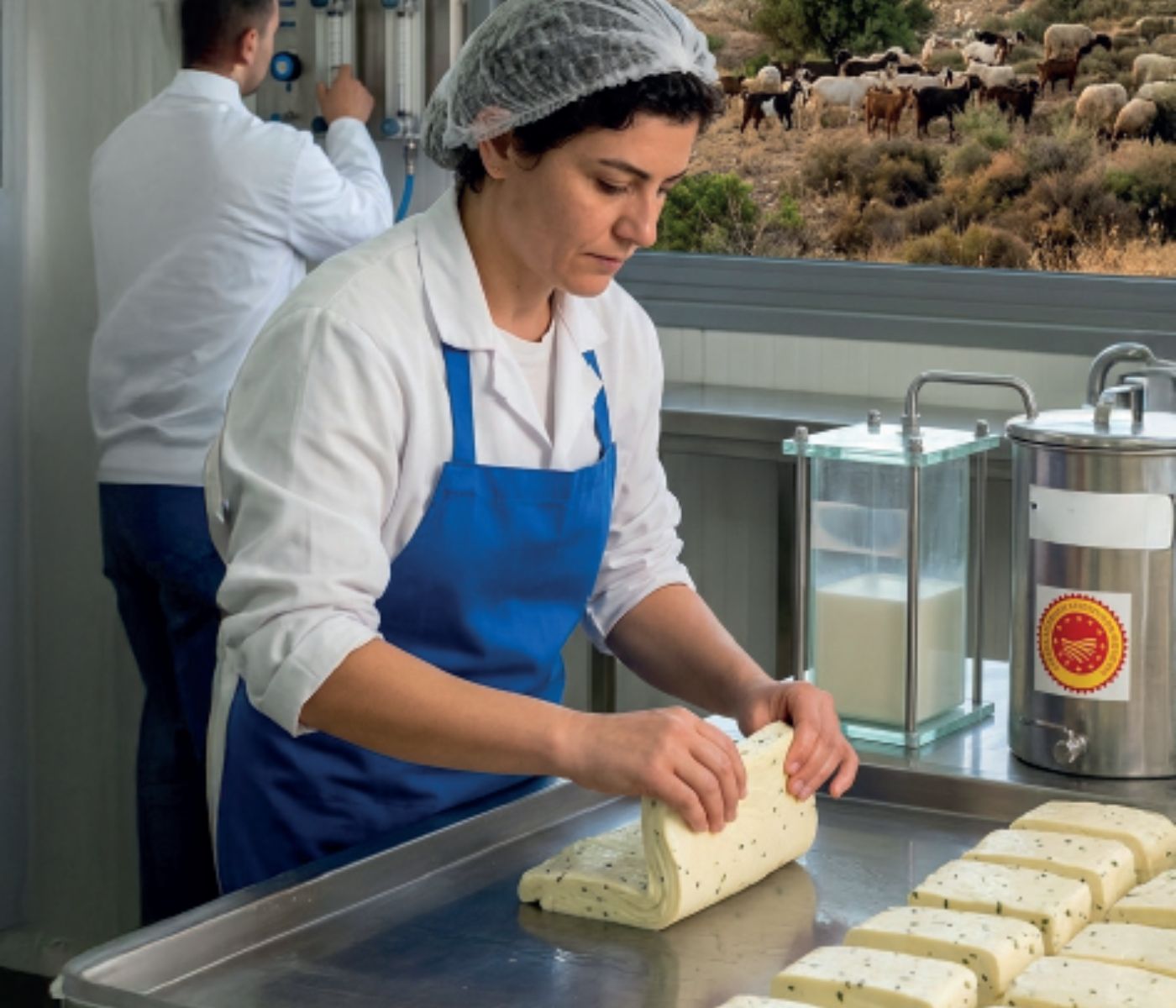
Optimizing nutrition for dairy goat and sheep productivity in Cyprus
Carolina Kyriacou
pHix-up improves rumen stability in dairy cows
Subacute ruminal acidosis

Net energy and growth: keys to better prediction in swine production
Gabriela Martínez
How starch structure & protein reduction shape gut health in weaned pigs
Diana Luise
Astaxanthin supplementation in aquaculture
Babatunde Saliu
What is intestinal health?
Marcos Rostagno
Calcium, phosphorus, and phytase optimization in broiler diets
Anna Cotcho