Minerals and hoof health in pregnant sows
Hoof health is one of the most important factors affecting welfare, longevity, and reproductive performance in breeding sows. During gestation, increased body weight and metabolic demands place additional pressure on the limbs, making hoof integrity essential for maintaining productivity and animal comfort.
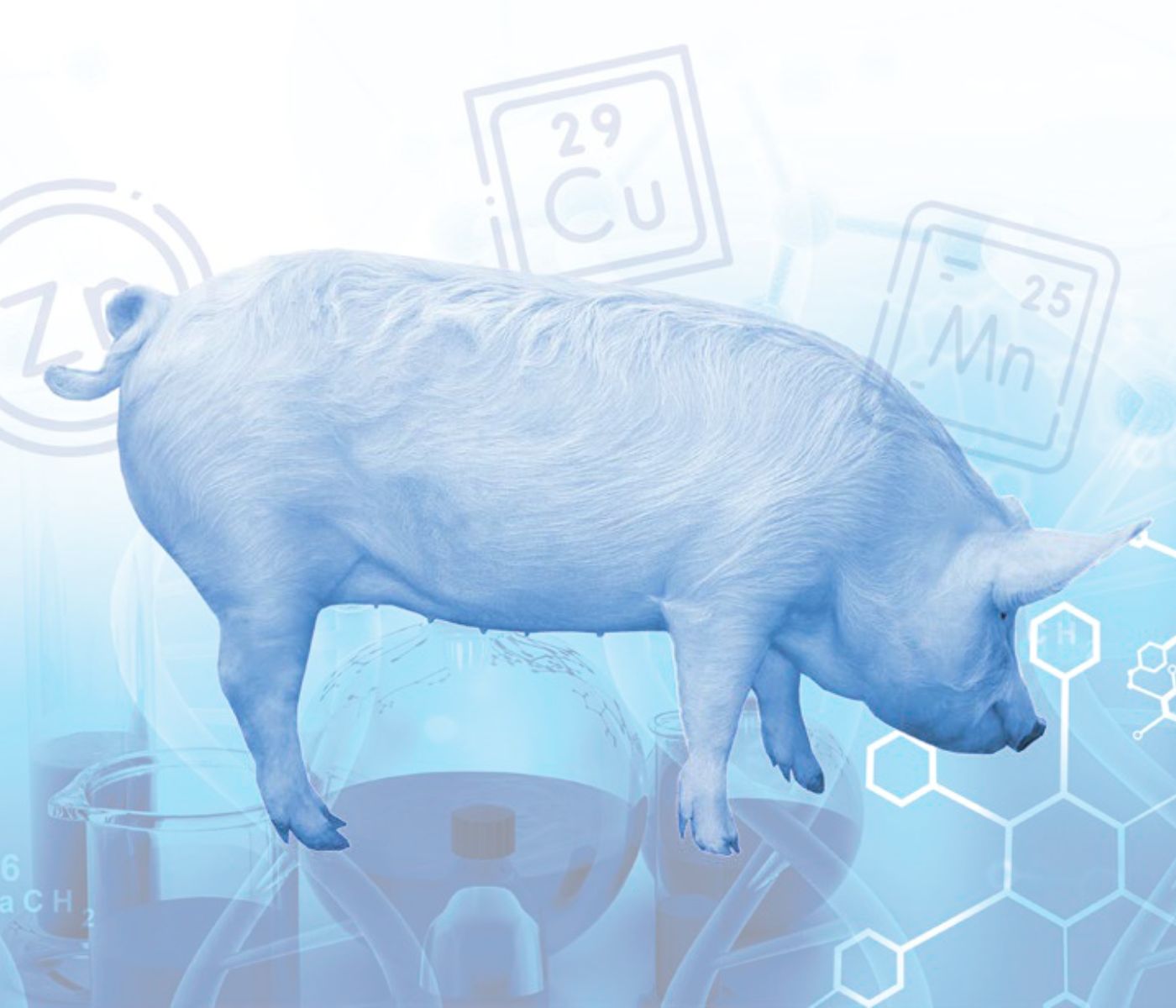
Nutrition plays a fundamental role in this process, especially the adequate supply of trace minerals such as zinc, copper, and manganese, which are directly involved in tissue formation and hoof strength.
Take-home message:
Proper minerals sow hoof health management improves hoof quality, reduces lameness, supports reproductive efficiency, and enhances sow welfare throughout gestation and productive life.
Why Hoof Health Matters
Lameness is one of the leading causes of premature culling in breeding sows. Pain caused by hoof lesions reduces mobility, feed intake, reproductive performance, and overall productivity.
When hoof damage becomes severe, sows may need to be removed from the herd earlier than expected, generating economic losses and compromising herd longevity.
Main consequence:
All degrees of hoof injury cause discomfort and negatively affect sow performance, and severe lesions may require early culling.
Common Hoof Lesions
The most frequent hoof problems include:
- Accessory toe injuries
- Heel overgrowth
- Heel erosion
- White line separation
- Cracks and fissures
- Heel/sole junction damage
These lesions range from mild superficial damage to severe structural separation and multiple deep cracks that significantly impair locomotion and welfare.
Even mild hoof lesions can reduce comfort and performance, while severe lesions often result in permanent productivity losses.
The Role of Minerals in Hoof Quality
Some nutrients included in the diet, especially zinc, copper, and manganese, are essential for maintaining hoof quality because they participate in the synthesis of:
- Keratin
- Collagen
- Connective tissue
These structural components are responsible for hoof strength, elasticity, and resistance to mechanical damage during gestation and lactation.
Strong hoof tissue depends directly on adequate mineral supply and proper nutrient absorption.
Consequences of Mineral Deficiency
Insufficient intake of these trace minerals can result in:
- Brittle hooves
- Cracks and fissures
- Increased lameness
- Lower reproductive performance
- Reduced animal welfare
These deficiencies compromise structural integrity and increase the risk of chronic pain, inflammation, and earlier removal from the breeding herd.
Important note:
Mineral deficiency affects not only hoof structure, but also long-term reproductive efficiency and sow longevity.
Nutrition and Reproductive Performance
Pregnant sows require consistent mobility for proper feed intake, body condition maintenance, and access to water and resting areas. Lameness directly reduces these basic physiological functions.
When mobility decreases, reproductive performance often declines due to stress, inflammation, and poor nutrient utilization.
Preventing hoof problems through nutrition is more effective and less costly than treating advanced lameness cases.
Management Strategies for Prevention
To improve hoof health and reduce lameness risk, producers should focus on:
- Balanced mineral supplementation
- High-quality trace mineral sources
- Proper flooring conditions
- Routine hoof inspection
- Early lesion detection
- Good body condition management
Combining nutritional precision with proper housing management provides the best long-term results for breeding sow welfare and productivity.
Conclusion
Hoof health is a critical but often underestimated factor in sow productivity. Minerals such as zinc, copper, and manganese play a central role in maintaining hoof integrity and preventing lameness.
By improving mineral nutrition and early prevention strategies, producers can protect sow welfare, extend productive life, and improve reproductive efficiency.
Final conclusion:
Healthy hooves begin with proper nutrition. Strong mineral programs help prevent lameness, improve welfare, and support better reproductive performance in pregnant sows.
🔒 Contenido exclusivo para usuarios registrados.
Regístrate gratis para acceder a este post y a muchos más contenidos especializados. Solo te llevará un minuto y tendrás acceso inmediato.
Iniciar sesiónRegístrate en nutriNews
REGISTRARME