 13 Jun 2022
Natural antioxidants and their application in animal nutrition presents itself as promising and necessary under current productive conditions. Oxidative stress is an imbalance between production and neutralization of free radicals by antioxidant defense mechanisms. Low quantities of reactive oxygen species (ROS) are necessary for the organism’s physiological functions. However, when these substances are found in excess, they cause oxidative damage in several molecules which impacts DNA and cellular proteins negatively, as well as causing lipid peroxidation of cell membranes (Rahal et al. , 2014).
In production animals there is a well established correlation between the onset of certain diseases and the reduction of antioxidant status. Oxidative stress is also implicated in many pathological disorders that affect:
In fact, in certain productive stages, animals face physiological changes like birth and lactation, or environmental changes, such as weaning or environmental temperature which generate stress. This in turn results in a diminished antioxidant status (Rossi et al. , 2009).
 A good antioxidant status in animals can also positively affect meat quality parameters, improving vitamin E content while reducing lipid peroxidation. |
Now more than ever, consumers tend to look for products of animal origin which are considered as safe and natural products. Therefore, it is imperative for producers to replace synthetic substances used for production purposes, with natural ones. As a result, several recent studies have been focused on finding natural alternatives to synthetic antioxidants for their use as animal feed additives.
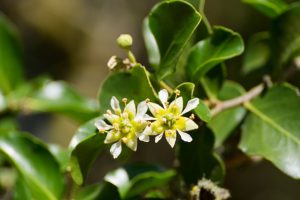
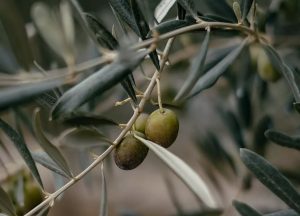
 In fact, natural extracts, essential oils, and plant byproducts contain bioactive compounds that are potent natural antioxidants.
Subscribe now to the technical magazine of animal nutrition
AUTHORS
From 2025 Data to 2026 Decisions: Managing Mycotoxin Risk in a Changing Climate
Alterion® NE Celebrates 10 Years of Poultry Gut Health Innovation
The Science Behind Kolin Plus: Beyond Choline Replacement
Summer Infertility in Sows: Managing Heat Stress and Reproductive Performance
AO-Biotics® Amaferm®: Supporting Livestock Digestion and Performance

Interview with Güner Gövenç
Güner Gövenç,
Net Energy and Precision Feeding Shape the Future of Poultry Nutrition
Edgar Oviedo
Mycotoxins in Swine: Health Risks and Nutritional Solutions
Giuseppe Carcò
Mycotoxins and Piglet Ear Necrosis: Cause, Cofactor or Coincidence?
Alberto Morillo
How Mycotoxins Affect Intestinal Health in Pigs and Poultry
Marcos Rostagno
From Antibiotics to Functional Feeds in Aquaculture
Babatunde Saliu
Peas as an Alternative to Soybean Meal in Beef Cattle Finishing Diets
Daniel Villalba Mata,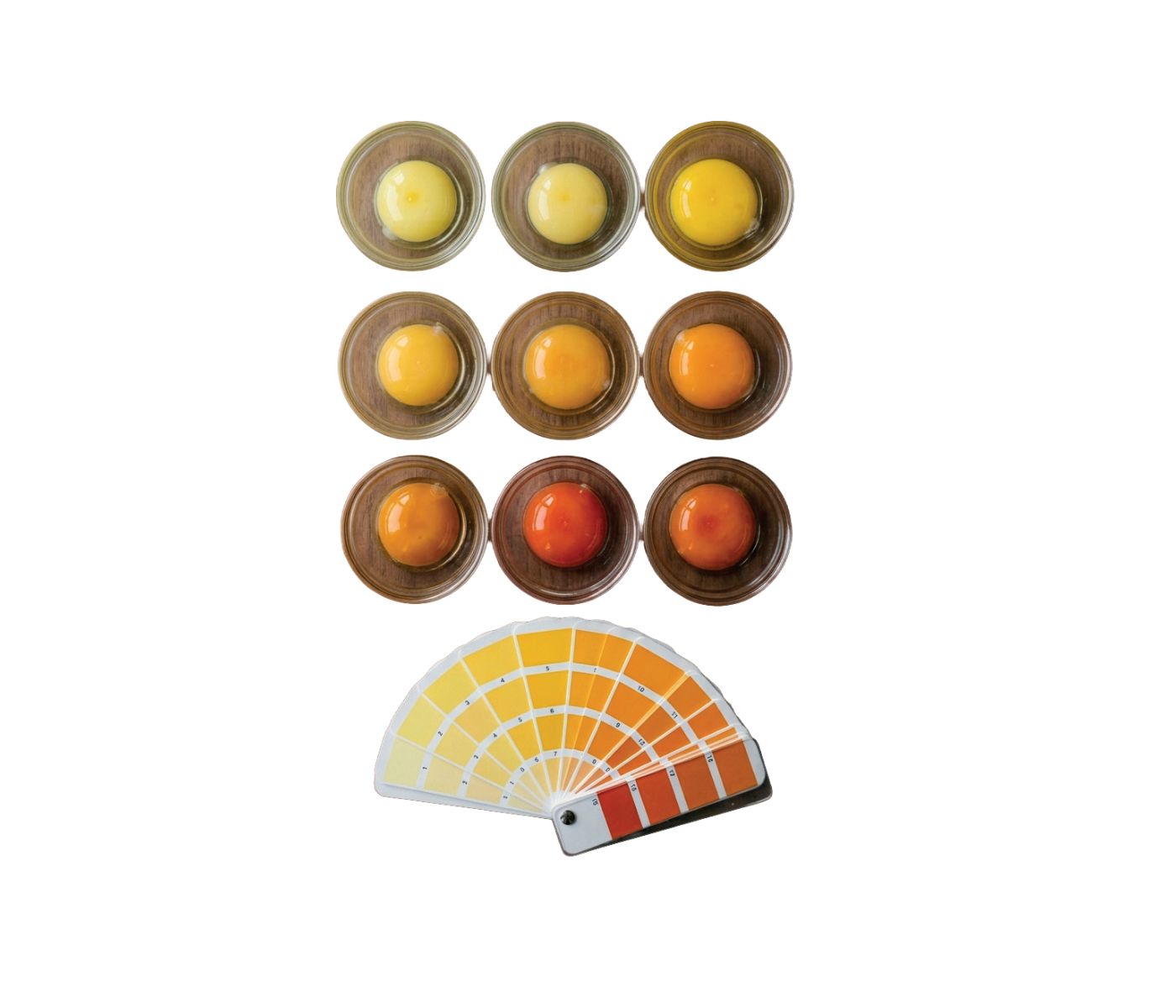
Improving Egg Yolk Pigmentation Through Better Nutrient Transport
Aquaculture and Aquaponics Nutrition: How Fish Shape the Growth of Greens
Trenton Corby
Consistency in Soybean Meal Drives Performance and Sustainability