 18 Jul 2022
Protein hydrolysates present cost-effective approach for their inclusion in animal feed with the aim of improving health status and productive parameters.
Improving feed use efficiency for milk, meat and egg production, is one of the main goals of animal production(Wu et al. , 2014). This approach requires optimal nutrition to support the small intestine’s function as the target site for nutrient digestion and absorption.
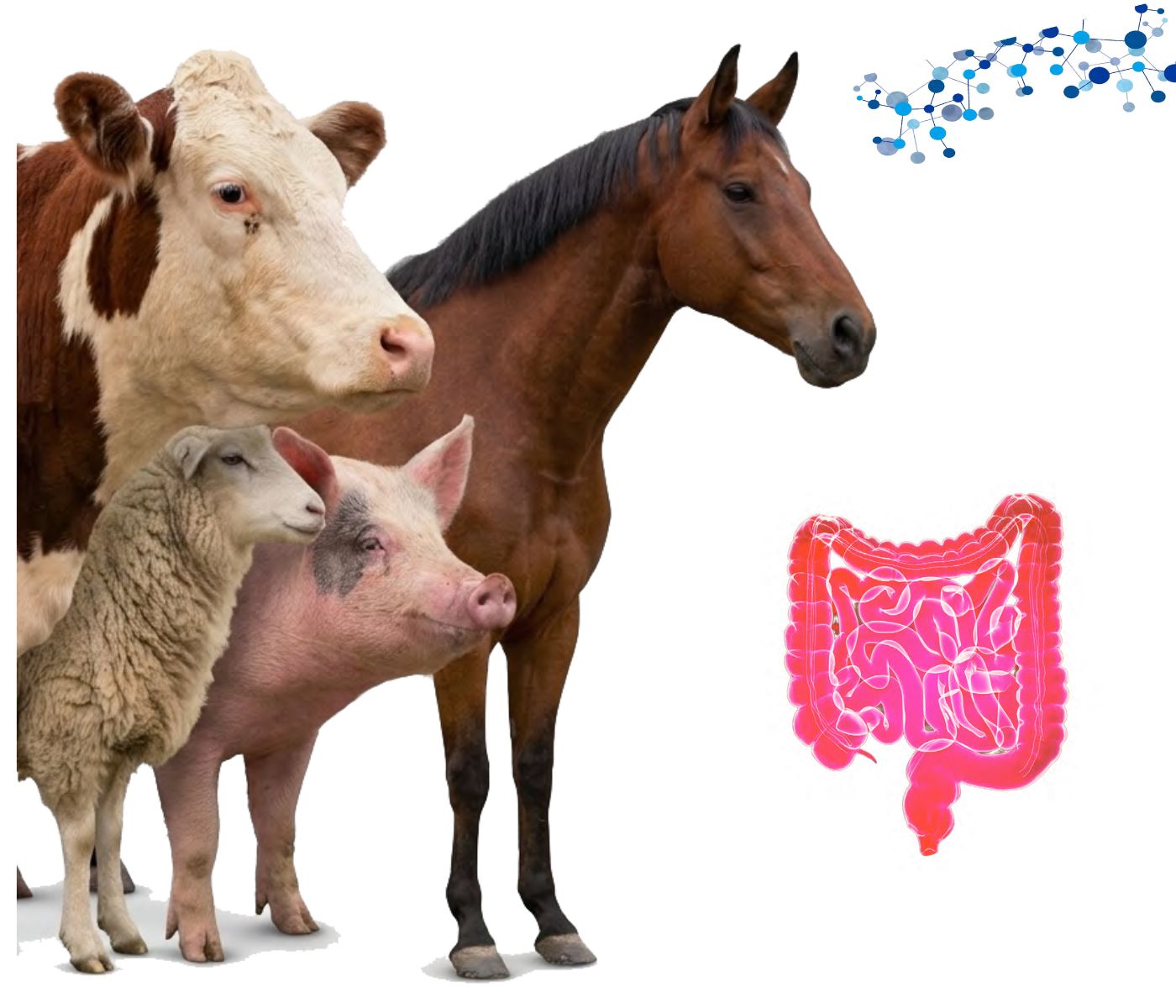
Peptides obtained from the hydrolysis of plant and animal proteins are included in pig, poultry, fish and pet diets. This type of dietary inclusion presents positive and cost-effective results, that contribute to gut health improvement, and increased growth and productive performance(McCalla et al., 2010).
Proteins, peptides y aminoacids
Proteins are macromolecules which are usually made up of of twenty different amino acids (AA) linked by peptide bonds. They are a major component of animal tissues (skeletal muscle, mammary glands, liver, etc.) and products such as meat, milk, egg, and wool.

The protein content found in the skeletal muscle of growing cattle or pigs is about 70% based on dry matter (Wu et al., 2016).
Therefore, adequate dietary protein intake is essential to obtain maximum growth, productive yield and feed efficiency in livestock, poultry and fish.
After being consumed by animals, proteins found in feed ingredients (e.g., blood meal, meat and bone meal, fish meal, soybean meal, peanut meal, and cottonseed meal) become hydrolyzed into small peptides and free AA by proteases and oligopeptidases within the small intestine.
Amino Acids are organic substances that contain amino and acid groups. All AAs have a α-amino group and occur as L-isomers in animals and food. Being glycine the only exception to the latter.
A peptide is defined as an organic molecule consisting of two or more AA residues linked by peptide bonds.
Generally speaking, polypeptides with a molecular weight of ≥ 8000 Daltons (i.e. ≥ 72 AA residues) are called proteins. However, the distinction between proteins and peptides on the basis of their molecular weights is not absolute.
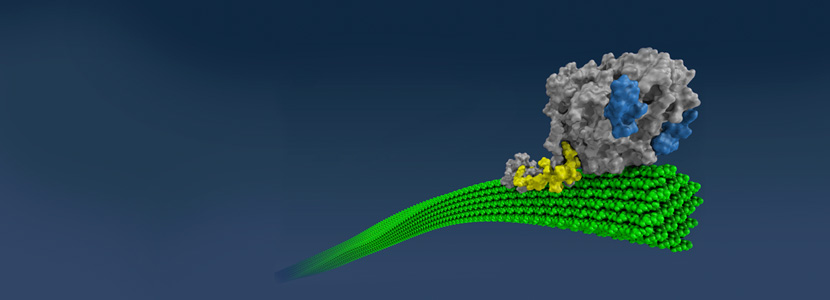
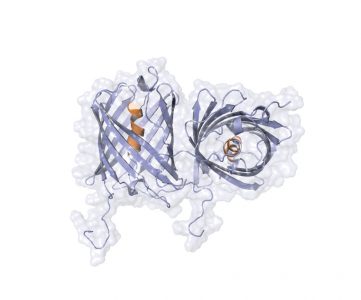
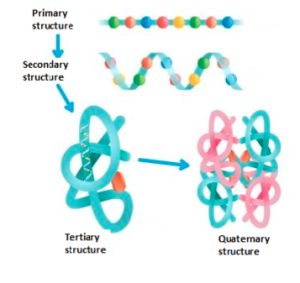
Proteins are arranged in four structures (Figure 1):
The primary sequence of AA in a protein determines its secondary, tertiary and quaternary structures, as well as its biological functions.
Figure 1. Protein structures
Production of protein hydrolysates
To consistently manufacture peptides from animal and plant protein sources, chemical, enzymatic or microbial methods have been employed in order to improve their nutritional quality and reduce any associated anti-nutritional factors prior to their inclusion within animal feed.

The latter two methods can also improve peptide solubility, viscosity, gelling capacity and emulsification.
Subscribe now to the technical magazine of animal nutrition
AUTHORS
From 2025 Data to 2026 Decisions: Managing Mycotoxin Risk in a Changing Climate
Alterion® NE Celebrates 10 Years of Poultry Gut Health Innovation
The Science Behind Kolin Plus: Beyond Choline Replacement
Summer Infertility in Sows: Managing Heat Stress and Reproductive Performance
AO-Biotics® Amaferm®: Supporting Livestock Digestion and Performance

Interview with Güner Gövenç
Güner Gövenç,
Net Energy and Precision Feeding Shape the Future of Poultry Nutrition
Edgar Oviedo
Mycotoxins in Swine: Health Risks and Nutritional Solutions
Giuseppe Carcò
Mycotoxins and Piglet Ear Necrosis: Cause, Cofactor or Coincidence?
Alberto Morillo
How Mycotoxins Affect Intestinal Health in Pigs and Poultry
Marcos Rostagno
From Antibiotics to Functional Feeds in Aquaculture
Babatunde Saliu
Peas as an Alternative to Soybean Meal in Beef Cattle Finishing Diets
Daniel Villalba Mata,
Improving Egg Yolk Pigmentation Through Better Nutrient Transport
Aquaculture and Aquaponics Nutrition: How Fish Shape the Growth of Greens
Trenton Corby
Consistency in Soybean Meal Drives Performance and Sustainability