Smart Nutrition: Targeted strategies to combat Necrotic Enteritis in Broilers
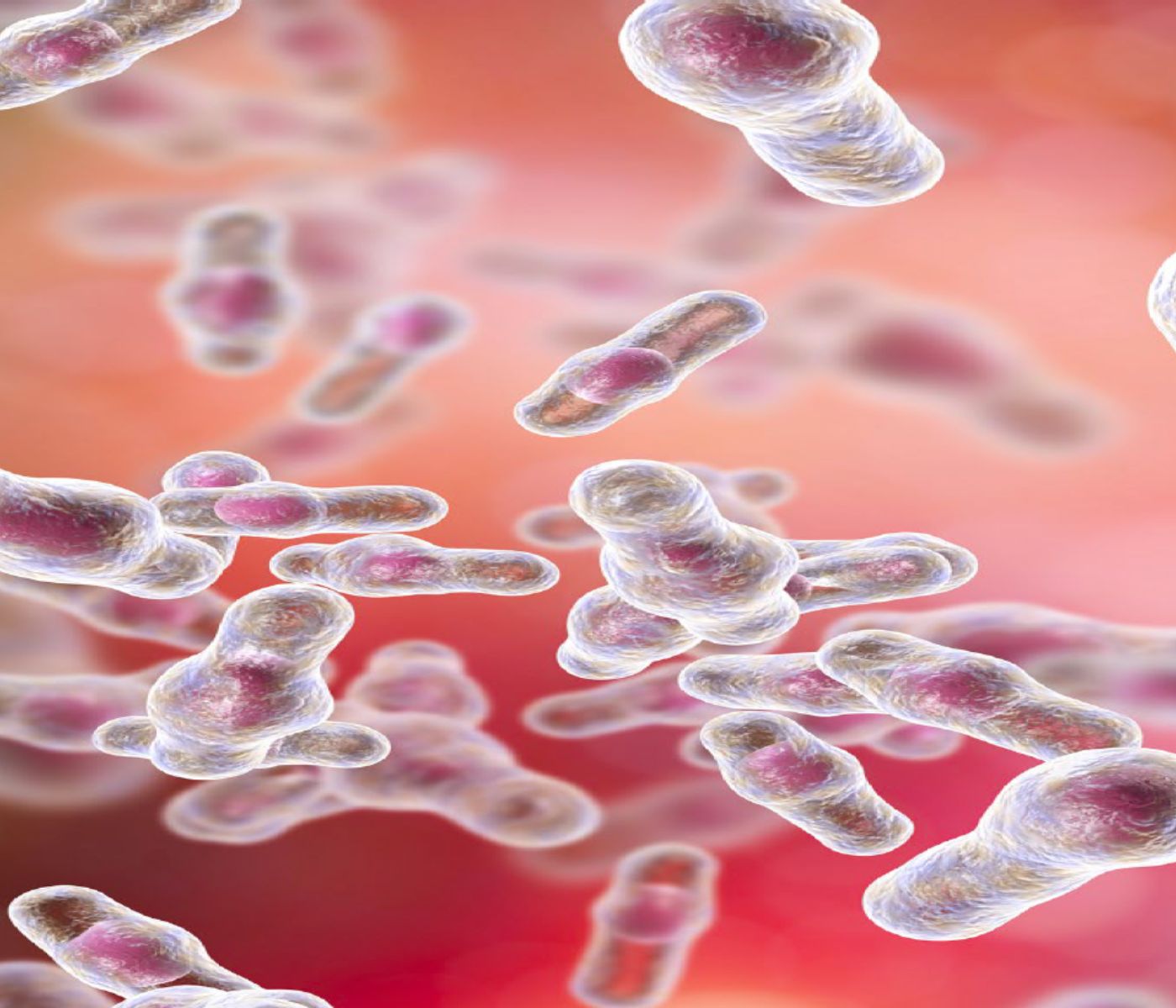
Necrotic enteritis is one of the most important intestinal diseases affecting modern poultry production. Primarily caused by Clostridium perfringens, this disease damages the small intestine—especially the jejunum and ileum—leading to poor feed efficiency, reduced growth performance, intestinal lesions, and increased mortality.
Because antibiotic use continues to decline globally, nutritional strategies have become essential tools for maintaining gut health and reducing pathogen proliferation in broiler production systems.
Take-home message:
Effective necrotic enteritis broiler nutrition focuses on improving gut integrity, optimizing nutrient digestibility, suppressing pathogens, and strengthening immune resilience through targeted feed strategies.
Understanding Necrotic Enteritis
Necrotic enteritis occurs in both acute and subclinical forms:
- Acute form: sudden mortality with minimal previous clinical signs
- Subclinical form: chronic intestinal damage causing poor growth and reduced feed conversion efficiency
Subclinical infections are especially costly because they often go unnoticed while significantly affecting flock productivity and feed efficiency.
Main challenge:
Subclinical necrotic enteritis silently reduces performance and profitability through chronic intestinal damage.
1. Optimize Feed Formulation
Proper feed formulation is the foundation of enteritis control. Diets containing excessive crude protein or poorly digestible ingredients increase the amount of undigested nutrients reaching the intestine, creating an ideal environment for C. perfringens proliferation.
Reducing crude protein levels while supplementing with synthetic amino acids improves digestibility and minimizes intestinal fermentation. Likewise, highly digestible carbohydrates help maintain microbial balance and reduce dysbiosis risk.
Better nutrient digestibility means fewer substrates available for harmful bacterial growth.
2. Incorporate Probiotics and Prebiotics
Probiotics such as Lactobacillus spp., Bifidobacterium spp., and Bacillus spp. support gut health by competing with pathogens for nutrients and adhesion sites. They also improve gut barrier integrity and stimulate immune responses.
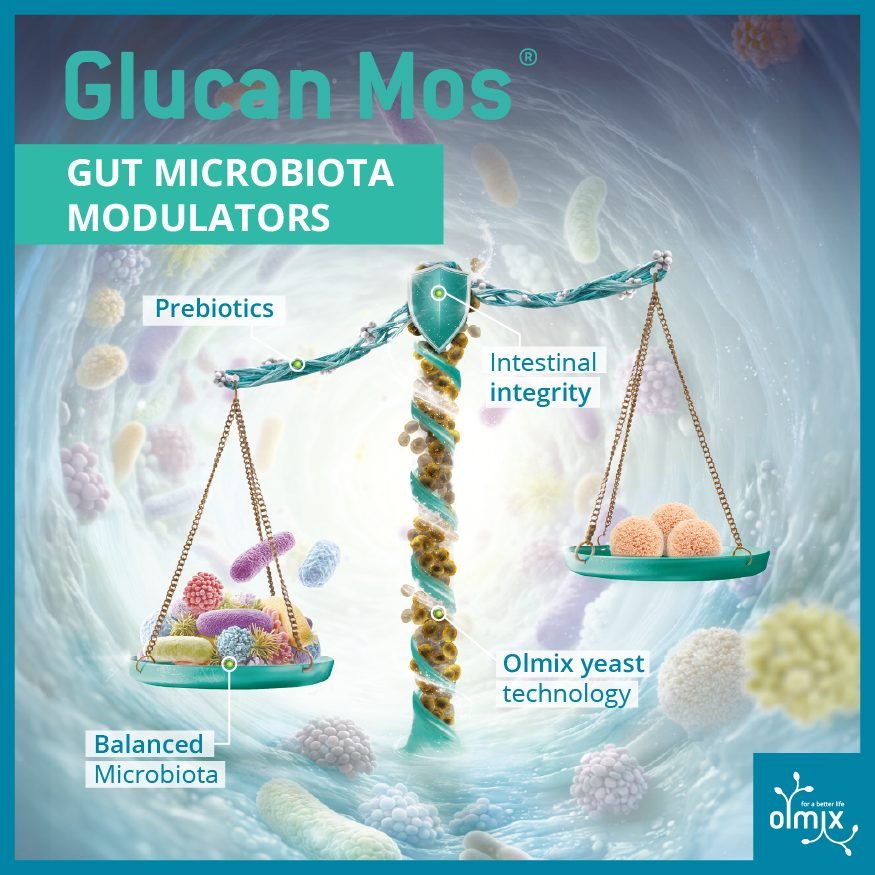
Prebiotics—including MOS, GOS, XOS, FOS, and beta-glucans—selectively stimulate beneficial gut bacteria while supporting mucus production and short-chain fatty acid synthesis.
Combining probiotics and prebiotics creates a stronger microbial barrier against intestinal pathogens.
3. Supplement with Enzymes
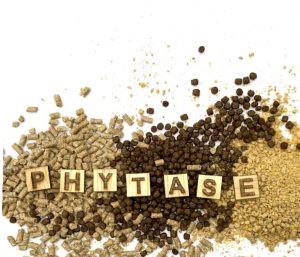
Feed enzymes such as xylanase, protease, and phytase improve nutrient digestibility by breaking down non-starch polysaccharides, undigested proteins, and phytates.
By reducing nutrient residues in the intestine, enzymes limit bacterial overgrowth while improving feed conversion and growth performance.
Key benefit:
Enzymes reduce intestinal irritation and improve nutrient utilization while limiting substrates for pathogenic bacteria.
4. Use Organic Acids
Organic acids such as formic acid, propionic acid, and butyric acid help lower gastrointestinal pH, creating an unfavorable environment for pathogenic bacteria.
Butyric acid is especially important because it directly supports gut epithelial repair and intestinal integrity.
Organic acids improve gut functionality while naturally suppressing harmful bacteria.
5. Include Essential Oils and Phytogenics
Essential oils and phytogenic compounds—including oregano oil, thyme oil, and garlic extract—possess antimicrobial, anti-inflammatory, and antioxidant properties.
These natural compounds help reduce pathogen load while supporting a healthier intestinal microbial balance.
Phytogenics provide a natural and sustainable alternative to support intestinal health without relying solely on antibiotics.
6. Optimize Dietary Fiber
Both soluble and insoluble fibers contribute to intestinal health. Insoluble fibers improve gut motility, while soluble fibers ferment into short-chain fatty acids that nourish the intestinal lining and suppress pathogens.
Balanced fiber inclusion helps maintain intestinal integrity and microbial stability.
Fiber balance matters:
Appropriate dietary fiber improves gut function, microbial balance, and intestinal resilience.
7. Focus on Feed Hygiene and Water Quality
Contaminated feed and water may introduce pathogens and mycotoxins that compromise intestinal health. Proper storage practices, pelleting, heat treatment, and water acidification help reduce microbial contamination risks.
Water additives such as acidifiers, probiotics, and electrolytes provide additional gut support during stressful periods.
Feed hygiene and water quality are critical pillars of successful enteritis prevention programs.
8. Strengthen Immunity with Antioxidants and Immunomodulators
Antioxidants such as vitamins E and C, along with selenium, help reduce oxidative stress and protect intestinal tissues. Immunomodulators like beta-glucans and nucleotides stimulate immune function and support intestinal repair.
These nutritional tools strengthen the bird’s ability to resist intestinal infections and recover from gut damage.
A stronger immune system improves resistance to enteric pathogens and supports faster intestinal recovery.
Synergistic Nutritional Strategies
While each intervention offers benefits individually, the best results are achieved through combined nutritional strategies. For example, probiotics, organic acids, and dietary fiber work synergistically to create multiple layers of intestinal protection.
Successful programs also require routine gut health monitoring and adaptation according to flock age, environmental conditions, and health status.
Holistic approach:
The most effective necrotic enteritis programs combine multiple nutritional tools with strong management and continuous monitoring.
Conclusion
Necrotic enteritis remains a major challenge in broiler production, but modern nutritional strategies provide powerful tools for prevention and control.
By focusing on gut health, nutrient digestibility, immune support, and pathogen suppression, poultry producers can significantly improve flock performance, sustainability, and profitability.
Final conclusion:
Targeted nutritional strategies are transforming necrotic enteritis control by improving gut integrity, reducing pathogen pressure, and supporting healthier, more productive broiler flocks.
🔒 Contenido exclusivo para usuarios registrados.
Regístrate gratis para acceder a este post y a muchos más contenidos especializados. Solo te llevará un minuto y tendrás acceso inmediato.
Iniciar sesiónRegístrate en nutriNews
REGISTRARME