



Tomato powder dietary inclusion. Effects on the performance and hematology of broilers subjected to heat stress.
 14 Apr 2022
Tomato powder dietary inclusion. Effects on the performance and hematology of broilers subjected to heat stress.
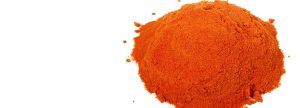
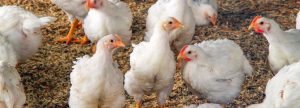
The following study investigated the effect of tomato powder addition (TP) on the performance and haematological values of Marshall broilers subjected to heat stress. The total number of evaluated birds was 240, with an approximate age of 21 days.

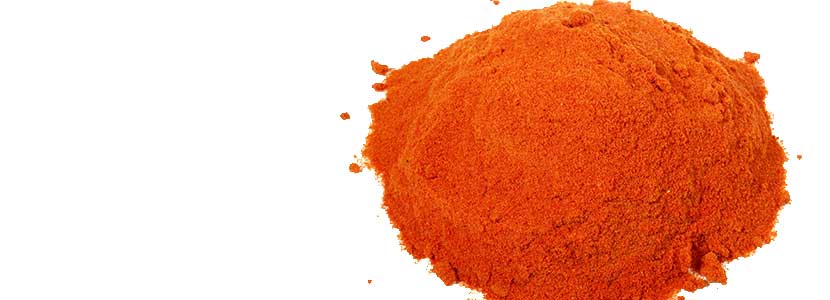
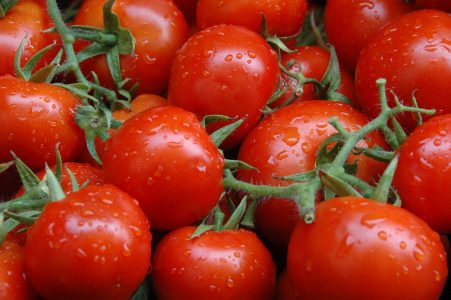
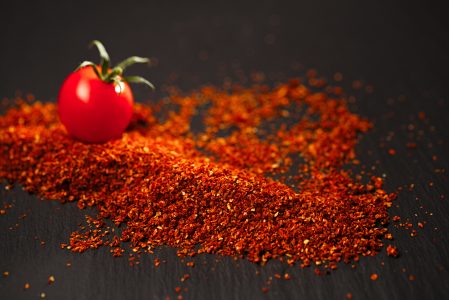
Tomatoes are an example of a tropical plant rich in lycopene (a natural carotenoid) which is very abundant globally at a relatively low cost.

Study diets
4 diets were allocated, all at the expense of normal wheat offal from their ration:
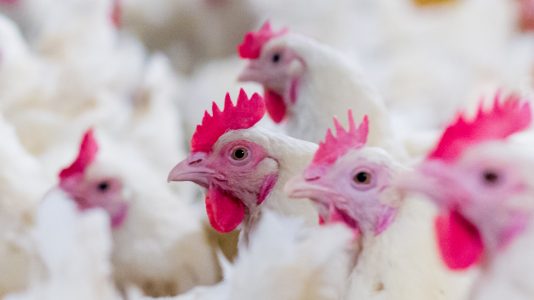
Heat stress induction was performed from day 21 to day 42. The temperature of the chicken coop was set at 33 ± 2 °C between 8:00 am and 5:00 pm. They had a relative humidity of 81.5% for 2 hours a day.
The completion diet and water were provided ad libitum throughout the experimental period which lasted 21 days.
RESULTS
Chickens fed the control diet without TP showed reduced growth performance, decreased feed efficiency and increased mortality compared to those fed diets containing TP (up to 7.5%).
Superior growth yield was observed in those birds that were fed high levels of tomato powder (TP). This is due to the fact that TP has a high antioxidant effect potential which helps mitigate negative consequences of heat stress in poultry.
Previous studies by Tawfeek (2014) and Khajali (2010) showed that supplementation with antioxidants (such as zinc, selenium, chromium, and vitamins C and E) is beneficial for improving body weight gain, feed conversion rate, lifespan, and feed consumption in birds handled under heat stress conditions.
CONCLUSION
The antioxidant properties of tomatoes have been linked to their lycopene and carotenoid contents. Antioxidant enzymes play an essential role in protecting cells against the harmful effects of increased free radical production as a result of heat stress.
The inclusion of 2.5%, 5.0% and 7.5% tomato powder in broiler diets can help reduce heat stress’ adverse effects on performance parameters, hematological and serum biochemical values without negative consequences.
Therefore, with the aim of improving production parameters and the health of chickens at a relatively low production cost,a 5.0% inclusion of TP in the diet of broilers with heat stress is recommended.
Source: Tropical animal health and production. Effect of dietary tomato powder on growth performance and blood characteristics of heat stress broiler chickens.2022

Subscribe now to the technical magazine of animal nutrition
AUTHORS
From 2025 Data to 2026 Decisions: Managing Mycotoxin Risk in a Changing Climate
Alterion® NE Celebrates 10 Years of Poultry Gut Health Innovation
The Science Behind Kolin Plus: Beyond Choline Replacement
Summer Infertility in Sows: Managing Heat Stress and Reproductive Performance
AO-Biotics® Amaferm®: Supporting Livestock Digestion and Performance

Interview with Güner Gövenç
Güner Gövenç,
Net Energy and Precision Feeding Shape the Future of Poultry Nutrition
Edgar Oviedo
Mycotoxins in Swine: Health Risks and Nutritional Solutions
Giuseppe Carcò
Mycotoxins and Piglet Ear Necrosis: Cause, Cofactor or Coincidence?
Alberto Morillo
How Mycotoxins Affect Intestinal Health in Pigs and Poultry
Marcos Rostagno
From Antibiotics to Functional Feeds in Aquaculture
Babatunde Saliu
Peas as an Alternative to Soybean Meal in Beef Cattle Finishing Diets
Daniel Villalba Mata,
Improving Egg Yolk Pigmentation Through Better Nutrient Transport

Aquaculture and Aquaponics Nutrition: How Fish Shape the Growth of Greens
Trenton Corby
Consistency in Soybean Meal Drives Performance and Sustainability