

Unlocking the potential of sorghum in poultry and swine nutrition
As feed costs continue to rise, especially due to fluctuations in corn prices, producers are increasingly looking for alternative feed ingredients that maintain performance while improving economic sustainability.
Among these alternatives, sorghum grain stands out for its strong nutritional value, wide availability, drought resistance, and potential to partially or fully replace corn in poultry and swine diets.
Take-home message:
Improving sorghum poultry swine nutrition helps reduce feed costs, lower dependence on corn, and support more sustainable monogastric production systems.
Why Sorghum Matters
Sorghum is widely recognized as a valuable cereal for animal feed because its nutritional value is comparable to corn, making it a practical substitute in diets for broilers, laying hens, and pigs.
In addition to its nutritional profile, sorghum offers important agronomic advantages:
- Greater tolerance to drought and heat
- Better adaptability to difficult growing conditions
- Lower production costs in some regions
- Reduced dependence on corn-based systems
Main advantage:
Sorghum offers both nutritional and economic benefits, making it a strong strategic ingredient in modern feed formulation.
Antinutritional Factors and Challenges
Despite its benefits, sorghum contains important antinutritional factors that can reduce nutrient digestibility and animal performance.
The main compounds include:
- Tannins
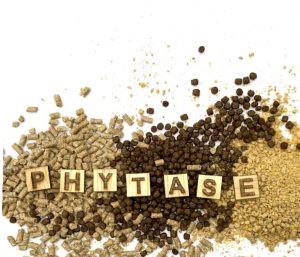
- Phytates (phytic acid)
- Cyanogenic glycosides
- Flavonoids
Phytic acid binds phosphorus, calcium, iron, zinc, and copper, reducing mineral availability, while tannins bind proteins and lower both palatability and digestibility.
Traditional sorghum digestibility challenges are mainly related to tannins, phytates, and protein structures surrounding starch granules.
Mycotoxins and Grain Safety
Sorghum grains can also be contaminated by fungi, affecting physical quality, nutritional value, and animal health. During deterioration, fungi degrade proteins, sugars, and carbohydrates.
The most important mycotoxins found in sorghum include:
- Aflatoxins
- Zearalenone
- Fumonisins
- T-2 toxin
Proper storage, grain processing, and variety selection are essential to reduce contamination risks and improve feed safety.
Safe sorghum use depends not only on formulation, but also on storage quality and contamination prevention.
Hybrid and Tannin-Free Sorghum
Modern hybrid waxy sorghum contains 100% amylopectin in its starch composition, improving starch digestibility and feed efficiency.
Additionally, tannin-free and phenolic compound-free varieties are already available, allowing safer and more effective complete corn replacement in poultry and swine diets.
Hybrid sorghum varieties significantly improve digestibility and reduce the limitations traditionally associated with sorghum feeding.
Replacement of Corn in Poultry and Swine
Research shows that sorghum can successfully replace corn without negative effects on performance:
- Broilers maintain carcass yield and feed efficiency
- Laying hens maintain egg quality and productivity
- Piglets and finishing pigs tolerate up to 100% replacement
- Primiparous sows show similar performance with partial substitution
These results demonstrate that sorghum is a viable alternative when quality standards and proper formulation are respected.
Tannin-free sorghum allows full corn replacement, while conventional sorghum often requires more careful formulation strategies.
Improving Digestibility
Sorghum digestibility can be optimized using:
- Grinding to reduce particle size
- Thermal treatments such as cooking
- Enzyme supplementation
- Selection of hybrid varieties
Enzymes such as xylanases, cellulases, and glucanases improve grain digestion, feed conversion, and starter-phase broiler performance. Cooking improves starch gelatinization and protein digestibility by reducing antinutritional effects.
Digestibility is the key factor that transforms sorghum from an alternative grain into a high-value feed ingredient.
Conclusion
Sorghum represents a strong nutritional, economic, and environmental alternative to corn in poultry and swine production. Its use becomes even more valuable in regions where corn cultivation is difficult or expensive.
Although antinutritional factors and toxins require careful management, hybrid varieties, proper processing, and enzyme supplementation make sorghum a highly effective feed ingredient for monogastric systems.
Final conclusion:
Sorghum is no longer just an alternative to corn—it is a strategic ingredient for improving feed efficiency, production sustainability, and long-term profitability in poultry and swine nutrition.
🔒 Contenido exclusivo para usuarios registrados.
Regístrate gratis para acceder a este post y a muchos más contenidos especializados. Solo te llevará un minuto y tendrás acceso inmediato.
Iniciar sesiónRegístrate en nutriNews
REGISTRARME