



Aquaculture is moving from a complementary seafood source to a central pillar of Australia’s future food-production strategy.
 17 Jul 2026
Australia is strengthening support for aquaculture as governments and industry work to expand seafood production, attract private investment, improve sustainability, and build greater resilience across regional supply chains.
Australia is reinforcing its commitment to aquaculture growth through national policy support, state-level investment, research, infrastructure development, and stronger sustainability initiatives. The sector is becoming an increasingly important contributor to the country’s seafood supply, regional employment, export potential, and long-term food security.
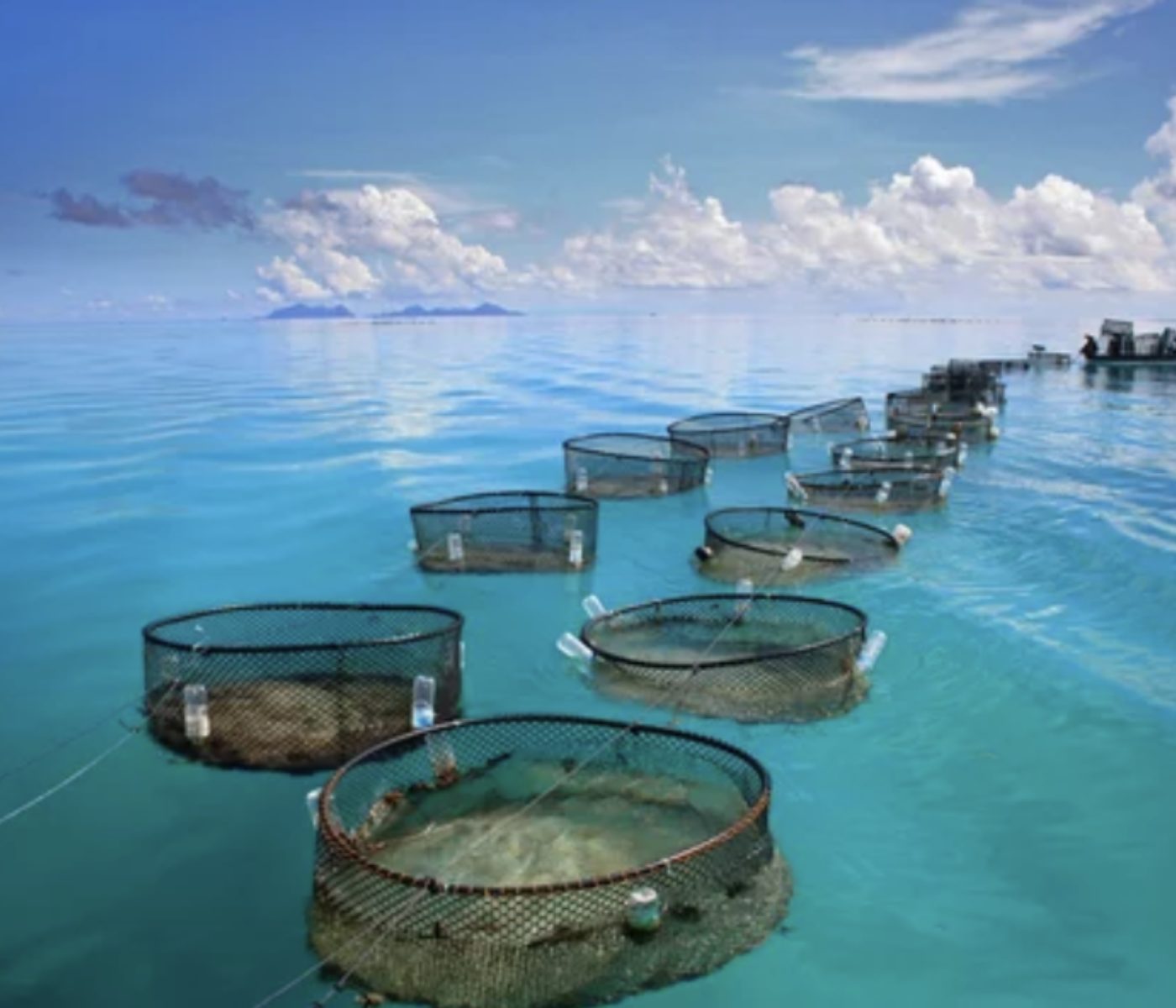
The expansion comes as consumer demand for seafood continues to grow while the capacity of many wild-capture fisheries remains naturally limited. In this environment, aquaculture offers an opportunity to increase production through carefully managed farming systems covering finfish, shellfish, seaweed, algae, hatcheries, and value-added marine products.
Aquaculture is moving from a complementary seafood source to a central pillar of Australia’s future food-production strategy.


Australia’s aquaculture industry has already exceeded the original national ambition of reaching a value of A$2 billion annually. Government estimates indicate that the real gross value of aquaculture production reached approximately A$2.31 billion in 2024–25, accounting for around 58% of the total value of Australia’s fisheries and aquaculture sector.
Earlier federal projections suggested aquaculture could represent as much as 64% of Australia’s total seafood production value by 2028–29. Although production values can fluctuate with prices, biological conditions, and harvest volumes, the longer-term direction remains clear: farmed seafood is taking an increasingly prominent role in the national seafood economy.
The sector’s expansion reflects more than higher output. It also demonstrates growing investment in technology, breeding, disease management, automation, and value-added production.

Australia’s National Aquaculture Strategy established a coordinated framework for governments and industry to support long-term development. Its priorities include:
These priorities recognize that aquaculture growth depends on more than establishing new farms. Businesses also require reliable approvals, suitable sites, skilled workers, disease surveillance, processing capacity, transport links, and access to research capable of solving commercial production problems.
Effective aquaculture policy must balance growth with biosecurity, environmental responsibility, regulatory certainty, and community acceptance.
State-level programs are translating national ambitions into practical investment. In New South Wales, the government is supporting dozens of aquaculture projects intended to increase productivity, create regional employment, strengthen climate resilience, and expand sustainable seafood production.
A 2026 funding round committed approximately A$27 million in government investment across 31 projects. Participating businesses are contributing close to another A$14 million, bringing the combined investment to approximately A$41 million.
Supported activities span a diverse range of operations, including:
Public funding can help aquaculture businesses overcome the high initial cost of infrastructure, automation, environmental upgrades, and commercial-scale innovation.
Aquaculture growth is no longer limited to producing more fish in conventional farming systems. The sector is expanding into new technologies and biological resources, including seaweed cultivation, algae, selective breeding, advanced hatcheries, digital monitoring, automated feeding, water-quality sensors, and waste-recovery systems.
Automation can help farms improve feeding precision, monitor animal behavior, reduce labor demands, and respond more quickly to changes in oxygen, temperature, salinity, or water quality. Better monitoring may also reduce feed waste and improve survival, supporting both economic and environmental performance.
Seaweed and algae offer another area of opportunity. In addition to direct food applications, these crops may be used in animal feed, fertilizers, bioproducts, packaging materials, and environmental projects. Their development could create new revenue streams while diversifying coastal aquaculture beyond traditional shellfish and finfish.
The next phase of Australian aquaculture will be shaped as much by technology, biological innovation, and circular resource use as by increases in farmed seafood volume.
Long-term growth depends on the sector’s ability to demonstrate that increased output can be achieved while protecting ecosystems, animal health, water quality, and surrounding communities.
Important sustainability priorities include:
Sustainability is therefore not separate from commercial growth. Efficient use of feed, energy, water, labor, and infrastructure can lower production costs while reducing environmental pressure.
The strongest aquaculture projects will be those that connect productivity gains with measurable improvements in resource efficiency, climate resilience, and environmental performance.
As aquaculture production intensifies, aquatic animal health and biosecurity become increasingly important. Disease outbreaks can cause major animal losses, restrict movement, interrupt trade, and weaken confidence in new investment.
Australia’s aquatic animal health framework focuses on border protection, farm-level biosecurity, surveillance, diagnostic capacity, emergency preparedness, veterinary medicines, research, and international trade.
For producers, this means that future expansion must be supported by strong hatchery health, reliable diagnostic services, effective farm protocols, and rapid reporting systems. Preventing disease is generally more economical than managing a large outbreak after it has become established.
Aquaculture expansion without corresponding investment in aquatic animal health would expose farms, regional economies, and seafood supply chains to unacceptable risk.
Many aquaculture businesses operate in coastal or regional communities where new investment can support skilled employment, processing, transport, engineering, vessel services, laboratories, equipment suppliers, and tourism-linked seafood markets.
Expansion may also create opportunities for Aboriginal enterprises connected to sea country, particularly where development aligns with cultural, environmental, and economic priorities determined by local communities.
The wider economic value of aquaculture therefore extends beyond farm-gate production. A successful project can stimulate local processing, supply businesses, research partnerships, education, and regional infrastructure.
For Australian consumers, a larger and more diverse aquaculture industry could improve the availability of locally produced seafood and reduce dependence on imported products in selected categories.
More stable domestic production may also provide retailers and foodservice businesses with greater supply consistency, improved traceability, and access to products developed for local market preferences.
Consumer confidence will nevertheless depend on transparent communication about production methods, origin, animal welfare, environmental monitoring, and food safety. Growth must therefore be accompanied by credible assurance systems and clear labeling.
Australia’s aquaculture sector is entering a period of increased commercial opportunity. Government support, private co-investment, stronger research capacity, and rising demand are creating favorable conditions for expansion.
However, long-term success will depend on whether the industry can scale without weakening its environmental performance, biosecurity, social licence, or product quality. Regulatory clarity, access to suitable farming areas, skilled labor, processing capacity, and continued innovation will remain essential.
Australia’s aquaculture opportunity lies not only in producing more seafood, but in building a technologically advanced, biosecure, sustainable, and internationally competitive industry capable of supporting consumers and regional communities for decades to come.
Subscribe now to the technical magazine of animal nutrition
AUTHORS
Consistency in Soybean Meal Drives Performance and Sustainability
Anna Cotcho
Kolin Plus FC: greener choline nutrition for poultry

Middle East conflicts disrupt global feed markets
Edgar Oviedo
Optimizing nutrition for dairy goat and sheep productivity in Cyprus
Carolina Kyriacou
pHix-up improves rumen stability in dairy cows
Subacute ruminal acidosis
Net energy and growth: keys to better prediction in swine production
Gabriela Martínez
How starch structure & protein reduction shape gut health in weaned pigs
Diana Luise
Astaxanthin supplementation in aquaculture
Babatunde Saliu
What is intestinal health?
Marcos Rostagno
Calcium, phosphorus, and phytase optimization in broiler diets
Anna Cotcho