Broiler nutrition in free-range systems
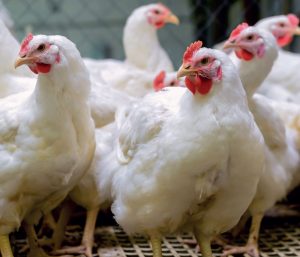
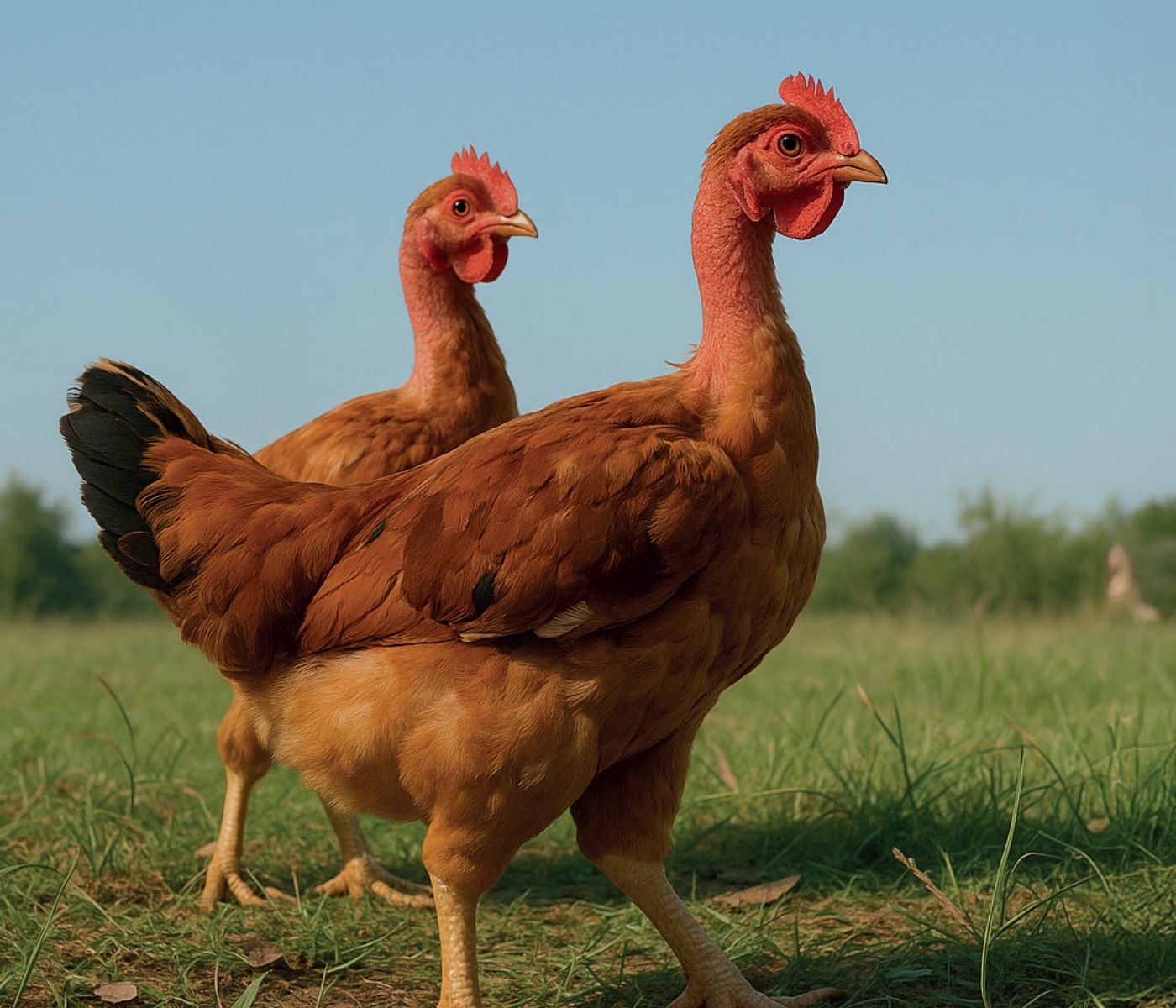
There is a growing consumer demand for products with differentiated characteristics that preserve animal welfare. In this context, alternative production systems for broiler chickens, such as free-range broiler systems, are gaining increasing importance.
These systems influence the final product by improving organoleptic and physicochemical characteristics such as texture, coloration, and flavor, while also supporting bird welfare and health.
Take-home message:
Proper free-range broiler nutrition is essential to maintain animal welfare, support productive performance, reduce feeding costs, and ensure sustainable poultry production.
Why Free-Range Systems Matter
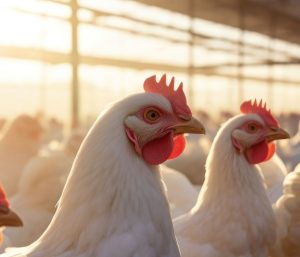
Birds raised in free-range systems have access to outdoor environments, forage, and natural light, allowing them to express their natural behaviors and live in conditions closer to their natural habitat.
This promotes muscle development, reduces fat deposition, keeps birds more active, lowers leg problems, and improves their ability to cope with stress.
Animal welfare benefit:
Birds exposed to comfort and natural conditions show better health, while animals exposed to stress and deprivation become more susceptible to disease and higher production costs.
The Importance of Balanced Nutrition
A common myth in free-range poultry production is that these birds are naturally rustic and therefore do not require proper nutritional management. This is incorrect.
Nutrition is critical, as the birds’ requirements vary according to sex, genetic line, feed intake, and nutrient availability in the diet.
Free-range broilers must have access to a balanced diet capable of meeting their structural and productive requirements while supporting efficient nutrient absorption.
A well-balanced diet allows birds to meet welfare needs and fully express their productive potential.
Production Costs and Feed Efficiency
Feed represents approximately 70% of production costs in free-range broiler systems. These birds may consume up to 30% more feed because of their access to outdoor environments and increased activity.
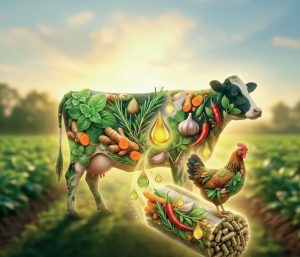
To minimize feeding costs while maintaining high-quality nutrition, the prudent use of alternative feed ingredients becomes a highly viable strategy.
Alternative Feed Ingredients
The main ingredients traditionally used in poultry feed are corn and soybean meal. However, several products can partially replace these ingredients, such as:
- Sorghum
- Millet
- Cassava meal
- Sweet potato meal
- Agricultural residues
- Cassava leaves and aerial plant parts
These alternatives can reduce feed costs and improve sustainability, but they must be used carefully to avoid nutritional imbalances.
Important caution:
A diet based solely on alternative ingredients, without proper energy and protein formulation, can reduce bird health and production performance.
Essential Nutrients for Free-Range Broilers
It is essential that free-range birds receive a balanced diet that includes:
- Proteins
- Carbohydrates
- Lipids
- Vitamins
- Minerals
- The correct energy level for each production phase
Nutrition must also consider bird genetics, growth rate, and the ingredients available in each production region.
Free-range broilers grow more slowly than conventional strains, which means their nutritional requirements are different and must be adjusted accordingly.
Paddocks and Natural Supplementation
Access to paddocks allows birds to consume tender plant portions rich in nutrients, as well as fruits such as mango, acerola, and cashew, alongside crop residues and harvested plant materials.
This natural supplementation helps support welfare, stimulates natural behavior, and can reduce the use of balanced feed, lowering overall production costs.
The nutritional value of these plants varies depending on soil fertility, plant maturity, and the specific part consumed, such as leaves, stems, or fruits.
Conclusion
The production of free-range broiler chickens continues to grow rapidly due to consumer demand for systems that prioritize animal welfare and product quality.
By combining proper nutrition, balanced feed, strategic use of alternative ingredients, and access to natural environments, producers can improve bird comfort, productivity, and profitability.
Final conclusion:
Free-range broiler production succeeds when nutrition supports both productivity and welfare. A balanced feeding strategy is the foundation for healthier birds, lower costs, and more sustainable poultry farming.
🔒 Contenido exclusivo para usuarios registrados.
Regístrate gratis para acceder a este post y a muchos más contenidos especializados. Solo te llevará un minuto y tendrás acceso inmediato.
Iniciar sesiónRegístrate en nutriNews
REGISTRARME