



While lysine, threonine, tryptophan, and valine remain relatively quiet, methionine is showing stronger supply pressure and greater price sensitivity.




 14 May 2026
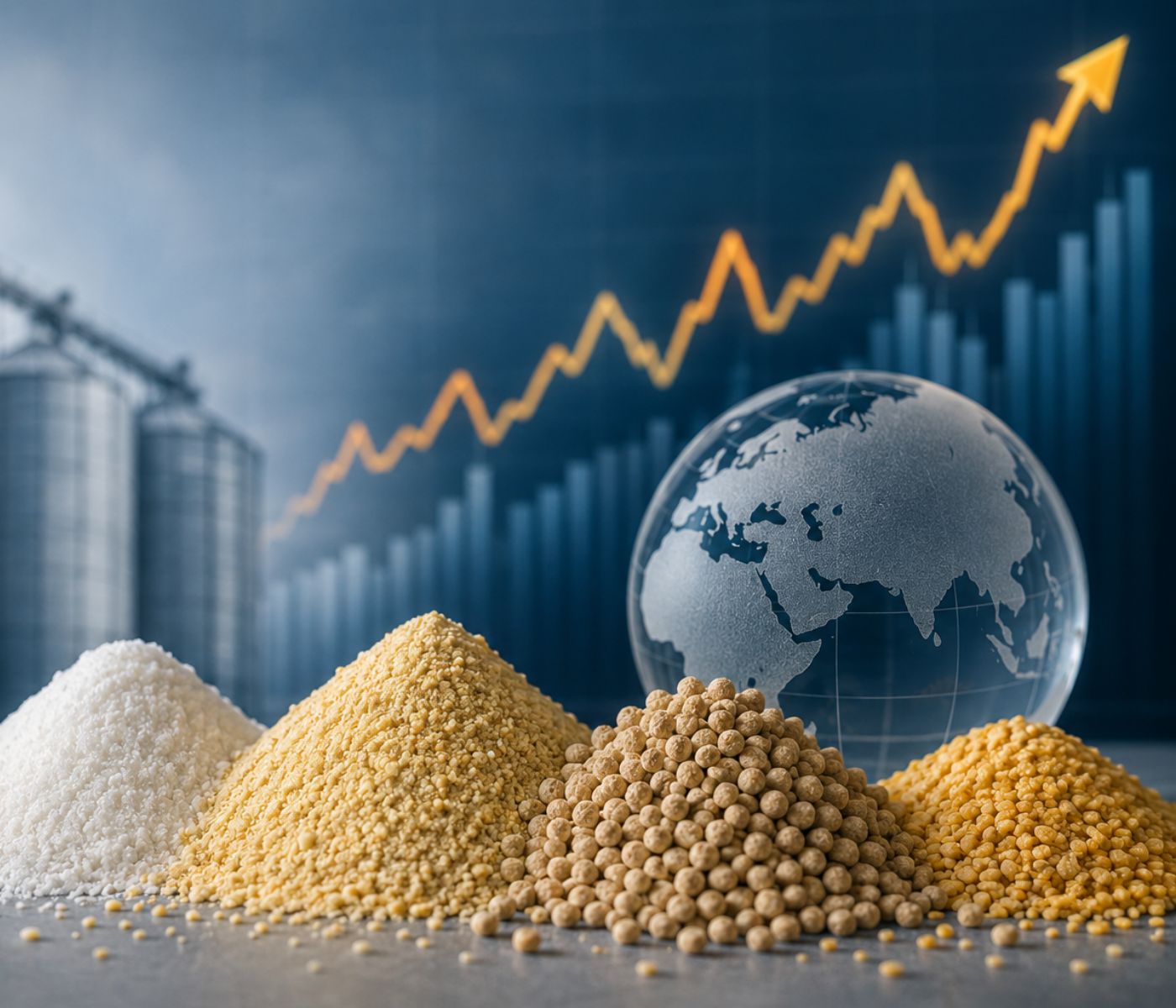
The global amino acid market is entering a more cautious and contract-driven phase. While several key amino acids remain relatively stable, DL-methionine has become the standout concern, with tighter supply conditions and stronger price pressure affecting feed manufacturers and nutritionists.
For the animal nutrition sector, this situation reinforces the importance of strategic purchasing, flexible formulation, supplier diversification, and careful monitoring of market signals. In a context shaped by energy costs, logistics disruption, and global trade uncertainty, amino acid management is becoming a key component of feed cost control.
While lysine, threonine, tryptophan, and valine remain relatively quiet, methionine is showing stronger supply pressure and greater price sensitivity.
Among feed-grade amino acids, methionine is currently attracting the most attention. Unlike several fermentation-derived amino acids, DL-methionine production is more closely linked to petrochemical feedstocks, energy markets, and complex chemical manufacturing chains.

This makes methionine especially sensitive to:
Methionine’s connection to petrochemical inputs makes it more exposed to energy, logistics, and manufacturing disruptions than several fermentation-based amino acids.
In contrast, lysine markets appear more stable, with signs of softer demand in some regions. Many buyers have already covered part of their short-term needs through forward contracts, reducing spot-market activity and limiting abrupt price movement.




Threonine is showing a slightly firmer tone, but the pace of change remains moderate. Forward contracting and expectations of additional capacity later in the year are helping contain stronger upside pressure.
Forward coverage is reducing spot-market activity for several amino acids, creating a quieter but still watchful market environment.
Tryptophan remains historically firm, but trading activity is limited as many buyers secured supplies in advance. This has created a stable-to-firm market tone rather than a broad surge.
Valine has also stabilized after previous firmness. Nearby supply may still be tight in some regions, but availability is expected to improve if production and logistics remain stable.
The broader amino acid market is not uniformly bullish; instead, it is increasingly split between methionine pressure and relative stability in other products.
Amino acid markets remain exposed to global logistics and geopolitical uncertainty. Longer maritime routes, port congestion, insurance costs, and energy volatility can quickly affect landed prices, particularly in regions dependent on imported feed additives.
For feed manufacturers in Europe, the Middle East, Africa, and other import-dependent regions, supply chain visibility is becoming just as important as price negotiation.
Freight costs, energy prices, and shipping disruption remain leading indicators for sudden changes in amino acid availability and pricing.
In the current environment, feed manufacturers should avoid treating amino acids as a uniform category. Each product has a different supply chain, production base, and price behavior.
Practical actions include:
In a volatile market, formulation flexibility and procurement planning are just as important as ingredient price tracking.
When methionine prices rise sharply, nutritionists may need to evaluate alternative strategies. These may include:
However, every alternative should be evaluated on the basis of bioavailability, cost per unit of active methionine, animal species, production phase, and expected performance response.
Alternative methionine strategies should be evaluated nutritionally, economically, and practically before being incorporated into commercial diets.
The most likely short-term scenario is a divided market. Methionine may remain under pressure if supply constraints and logistics risks continue, while lysine, threonine, tryptophan, and valine are expected to remain more stable unless new disruptions emerge.
This means that procurement and formulation teams should remain alert, especially where methionine is a major cost driver or a limiting nutrient in high-performance diets.
The amino acid market is becoming increasingly product-specific: methionine requires close attention, while other amino acids remain comparatively stable but still exposed to global supply chain risk.
Current amino acid market dynamics underline the importance of proactive feed formulation and purchasing strategies. Methionine’s tighter supply conditions create immediate concern, while other amino acids remain calmer but not immune to external shocks.
For feed manufacturers, the best response is to combine market monitoring, supplier diversification, nutritional flexibility, and formulation preparedness. In a market shaped by uncertainty, resilience will depend on anticipating constraints before they affect production.



Subscribe now to the technical magazine of animal nutrition
AUTHORS

From 2025 Data to 2026 Decisions: Managing Mycotoxin Risk in a Changing Climate
Alterion® NE Celebrates 10 Years of Poultry Gut Health Innovation

The Science Behind Kolin Plus: Beyond Choline Replacement

Summer Infertility in Sows: Managing Heat Stress and Reproductive Performance
AO-Biotics® Amaferm®: Supporting Livestock Digestion and Performance

Interview with Güner Gövenç
Güner Gövenç,
Net Energy and Precision Feeding Shape the Future of Poultry Nutrition
Edgar Oviedo
Mycotoxins in Swine: Health Risks and Nutritional Solutions
Giuseppe Carcò
Mycotoxins and Piglet Ear Necrosis: Cause, Cofactor or Coincidence?
Alberto Morillo
How Mycotoxins Affect Intestinal Health in Pigs and Poultry
Marcos Rostagno
From Antibiotics to Functional Feeds in Aquaculture
Babatunde Saliu
Peas as an Alternative to Soybean Meal in Beef Cattle Finishing Diets
Daniel Villalba Mata,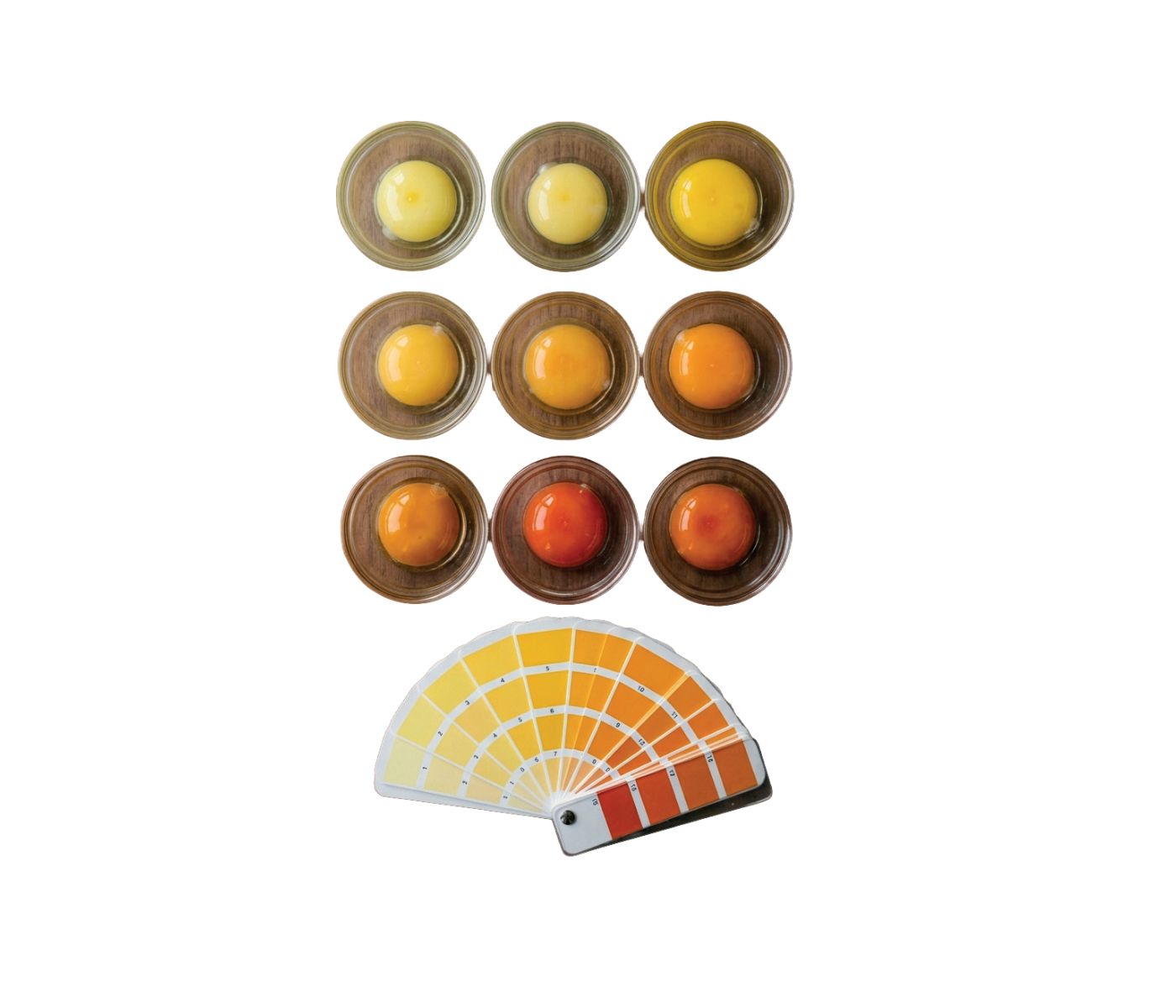
Improving Egg Yolk Pigmentation Through Better Nutrient Transport

Aquaculture and Aquaponics Nutrition: How Fish Shape the Growth of Greens
Trenton Corby
Consistency in Soybean Meal Drives Performance and Sustainability