



Industry groups believe the proposed amendments could save the Canadian beef sector millions of dollars annually by reducing unnecessary SRM handling and compliance costs while preserving Canada’s strong food safety protections.
 15 Jul 2026
Canadian cattle and meat industry groups say proposed federal amendments to Canada’s Specified Risk Material (SRM) regulations could lower processing costs, strengthen competitiveness, and modernize one of the country’s longest-standing food safety frameworks.
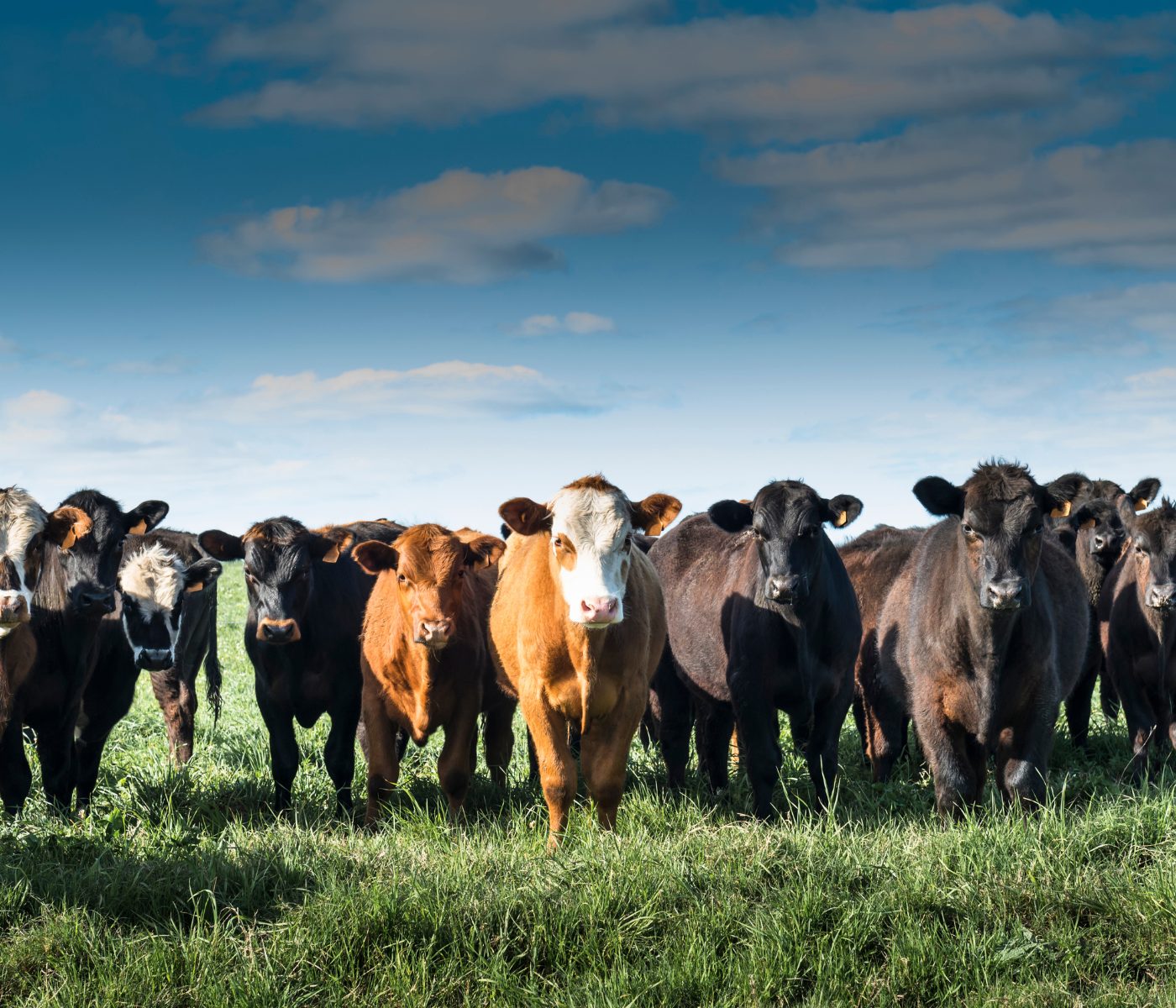
Canada’s beef industry is welcoming proposed federal regulatory amendments that would modernize the country’s Specified Risk Material (SRM) requirements, reducing costs for processors while maintaining Canada’s internationally recognized food safety standards. Industry organizations say the proposal represents one of the most significant updates to Canada’s BSE-related regulatory framework since the country achieved negligible risk status for bovine spongiform encephalopathy (BSE) in 2021.
The proposed amendments have been welcomed by both the Canadian Cattle Association (CCA) and the Canadian Meat Council (CMC), which describe the initiative as a long-awaited modernization that reflects current scientific knowledge while improving the competitiveness of Canada’s beef processing sector.
Industry groups believe the proposed amendments could save the Canadian beef sector millions of dollars annually by reducing unnecessary SRM handling and compliance costs while preserving Canada’s strong food safety protections.


Specified Risk Material refers to tissues from cattle that have the highest potential to contain the infectious agent responsible for bovine spongiform encephalopathy (BSE), commonly known as “mad cow disease.” Following the global BSE outbreaks of the early 2000s, Canada implemented strict SRM removal, segregation, transportation, and disposal requirements to protect both public health and international market access.
Those measures played a critical role in rebuilding confidence in Canadian beef and were instrumental in helping Canada regain export opportunities after the BSE crisis. However, the regulations also introduced significant operational costs throughout the beef supply chain.
Today, federally inspected slaughter facilities must dedicate labor, equipment, storage, transportation, documentation, and disposal procedures specifically for SRM handling. While these measures have contributed to Canada’s excellent animal health record, industry organizations argue that some requirements can now be updated based on the country’s current disease status and scientific evidence.


SRM regulations have been fundamental to protecting public health and international trade, but advances in surveillance and disease control now allow regulators to modernize portions of the framework without compromising safety.
The proposal follows several years of discussions between industry organizations, the Canadian Food Inspection Agency (CFIA) and Agriculture and Agri-Food Canada (AAFC) after Canada received World Organisation for Animal Health (WOAH) negligible BSE risk status in 2021.
This designation recognizes the effectiveness of Canada’s surveillance programs, feed controls, and disease prevention systems. It also provides regulators with an opportunity to review measures originally implemented under a much higher disease risk scenario.
According to the Canada Gazette, the proposed amendments would primarily affect secondary exposure pathways, including materials destined for non-ruminant feed, fertilizers, and pet food, while maintaining the core safeguards that protect both human and animal health.
The proposed amendments do not eliminate Canada’s SRM controls. Instead, they focus on reducing regulatory requirements where current science indicates that the risk is negligible while preserving critical food safety protections.
One of the strongest arguments supporting the proposal is its potential economic impact.
Handling SRM requires dedicated infrastructure throughout federally licensed processing facilities. Separate collection systems, specialized storage, transportation, disposal, record-keeping, and regulatory oversight all contribute to higher processing costs for every eligible animal.
Reducing unnecessary handling requirements could improve operational efficiency and lower expenses for processors, ultimately benefiting producers throughout the supply chain. The Canadian Meat Council notes that the draft regulations represent an important milestone that would support federally licensed meat processors by reducing administrative burden while maintaining Canada’s strong reputation for food safety.
Industry leaders also argue that lowering processing costs could improve Canada’s competitive position relative to other beef-exporting countries, particularly the United States.
Lower compliance costs can improve processor margins, strengthen investment in Canadian packing facilities, and increase the overall competitiveness of Canada’s beef value chain.
Canada is one of the world’s leading beef-exporting nations, and maintaining international confidence remains essential for industry growth.
Although the proposed amendments are largely domestic regulatory changes, they also demonstrate Canada’s willingness to adapt regulations in line with evolving scientific evidence without compromising biosecurity.
Industry groups believe this balanced approach can strengthen Canada’s reputation as a supplier of safe, high-quality beef while improving efficiency within the domestic processing sector.
Maintaining internationally recognized food safety systems is particularly important as global markets increasingly evaluate both scientific evidence and regulatory transparency when establishing import requirements.
Modernizing regulations based on current science helps maintain international confidence while ensuring Canadian processors remain globally competitive.
The proposed amendments have now entered a 60-day public consultation period, allowing processors, producers, veterinarians, researchers, and other stakeholders to review the draft regulations and submit feedback before any final decisions are made.
This consultation process provides an opportunity to ensure that the updated framework continues to protect public health while addressing practical challenges faced by Canada’s beef industry.
Both the Canadian Cattle Association and the Canadian Meat Council have encouraged stakeholders to participate, emphasizing that modernizing SRM regulations has been an industry priority for several years.
The consultation period will help determine how the final regulations balance food safety, science-based policy, and economic competitiveness across Canada’s beef sector.
If adopted substantially as proposed, the amendments could represent one of the most meaningful regulatory updates for Canada’s beef sector since the country regained negligible BSE risk status.
Rather than weakening food safety protections, the proposal reflects an effort to align regulations with current scientific knowledge and practical industry realities. Lower compliance costs, improved processing efficiency, and greater international competitiveness could help strengthen Canada’s red meat industry while preserving the robust safeguards that underpin consumer confidence and global market access.
Canada’s proposed SRM reforms demonstrate how science-based regulation can simultaneously maintain food safety, reduce unnecessary costs, and improve the long-term competitiveness of the country’s beef sector.


Subscribe now to the technical magazine of animal nutrition
AUTHORS
Consistency in Soybean Meal Drives Performance and Sustainability
Anna Cotcho
Kolin Plus FC: greener choline nutrition for poultry

Middle East conflicts disrupt global feed markets
Edgar Oviedo
Optimizing nutrition for dairy goat and sheep productivity in Cyprus
Carolina Kyriacou
pHix-up improves rumen stability in dairy cows
Subacute ruminal acidosis

Net energy and growth: keys to better prediction in swine production
Gabriela Martínez
How starch structure & protein reduction shape gut health in weaned pigs
Diana Luise
Astaxanthin supplementation in aquaculture
Babatunde Saliu
What is intestinal health?
Marcos Rostagno
Calcium, phosphorus, and phytase optimization in broiler diets
Anna Cotcho