From Antibiotics to Functional Feeds: Probiotics, Prebiotics and Synbiotics Reshaping Aquaculture Production
Babatunde Saliu MS Student, School of Fisheries, Aquaculture, and Aquatic Sciences, Auburn University
INTRODUCTION
The aquaculture industry, like other livestock industries, largely depends on a variety of inputs that significantly influence its growth, sustainability, and production. Factors including nutrition, health, labour, biosecurity, and a host of others have considerable impacts on the growth of the aquaculture sub-sector.
Aquaculture industries continue to expand globally and have led to an increased demand for quality feed to boost growth performances and drugs (particularly antibiotics) in situations of disease outbreak. Disease outbreaks in aquaculture have increased dependence on antibiotic usage to combat bacterial infection, potentially increasing animal, human, and environmental health risks.
Overreliance on antibiotics in aquaculture production has led to cases of antimicrobial resistance, influences climate change, and exposes other aquaculture systems, including wild fisheries populations, to residues from the use of antibiotics. Consequently, there have been efforts to develop non-antibacterial supplements that can be used as an effective means of treatment for bacterial infections and diseases.
Probiotics, prebiotics, and synbiotics have been introduced to replace antibiotic use in aquaculture health, reducing cases of antimicrobial resistance.
ANTIMICROBIAL RESISTANCE- THE PROBLEM
Persistent use of antibiotics in aquaculture has increased the presence of antibiotics in numerous production systems, leading to the development of resistant strains. Bacterial communities become resistant to antibiotics by developing resistant genes that protect them from antibiotic action. This phenomenon makes it relatively difficult to treat diseases associated with certain bacteria. Antimicrobial resistance (AMR) has also led to the growth of resistant zoonotic strains of pathogens, predominantly in many aquaculture systems globally.
These effects have also been observed to actively affect humans, as most of the antibiotics used in animal husbandry are like those used in human medicine.
Common classes of antibiotics used in animal husbandry include aminoglycosides, macrolides, penicillin, quinolones, sulphonamides, and tetracyclines, which have all been found to cause several incidents of antimicrobial resistance (AMR) when used extensively in aquaculture. Antibiotics are usually administered in water or incorporated into feeds and fed directly to the fish.
Consequently, these compounds remain persistent in the water body and sediments. Aquatic bacterial communities have specific genetic components, including plasmids, integrons, and transposons that are highly mobile with the ability to recombine, forming new antibiotic-resistant genes (ARGs), boosting their resilience and growth.
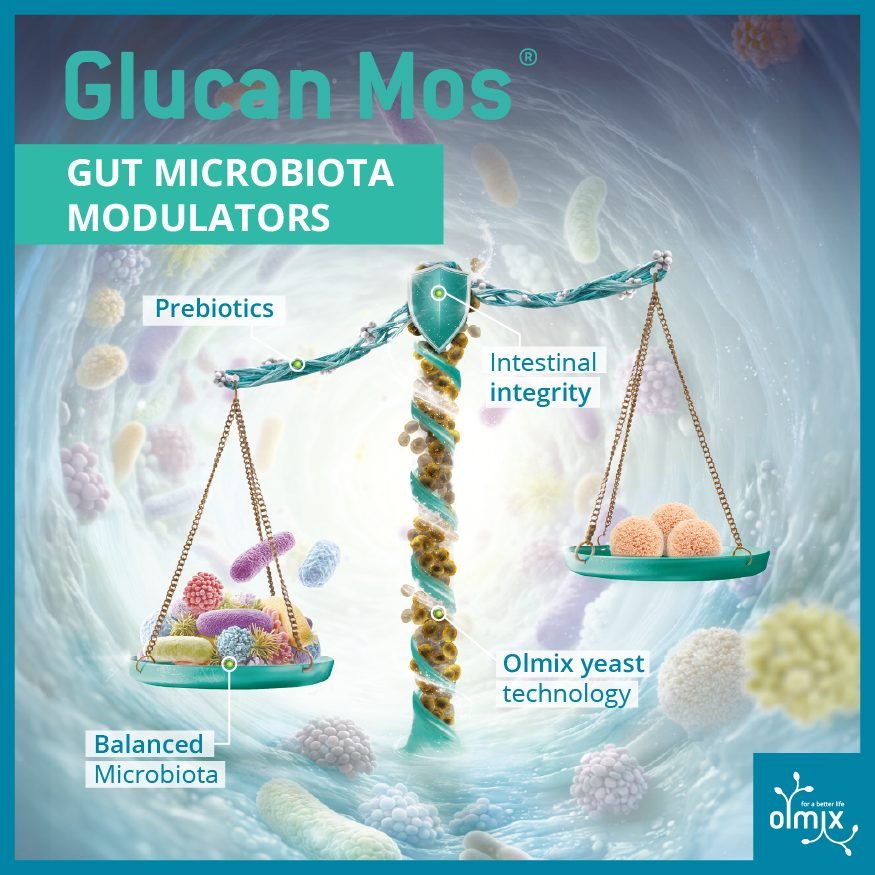
PROBIOTICS, PREBIOTICS, AND SYNBIOTICS – A SUSTAINABLE ALTERNATIVE?
Several efforts have been made to significantly move away from the usage of antibiotics in aquaculture. Probiotics, prebiotics, and synbiotics have been introduced as feed supplements to provide non-specific protection against diseases and improve growth performance. These supplements have been used as feed supplements or applied in water to boost immune responses and enhance growth without having any adverse effects on the aquaculture species.
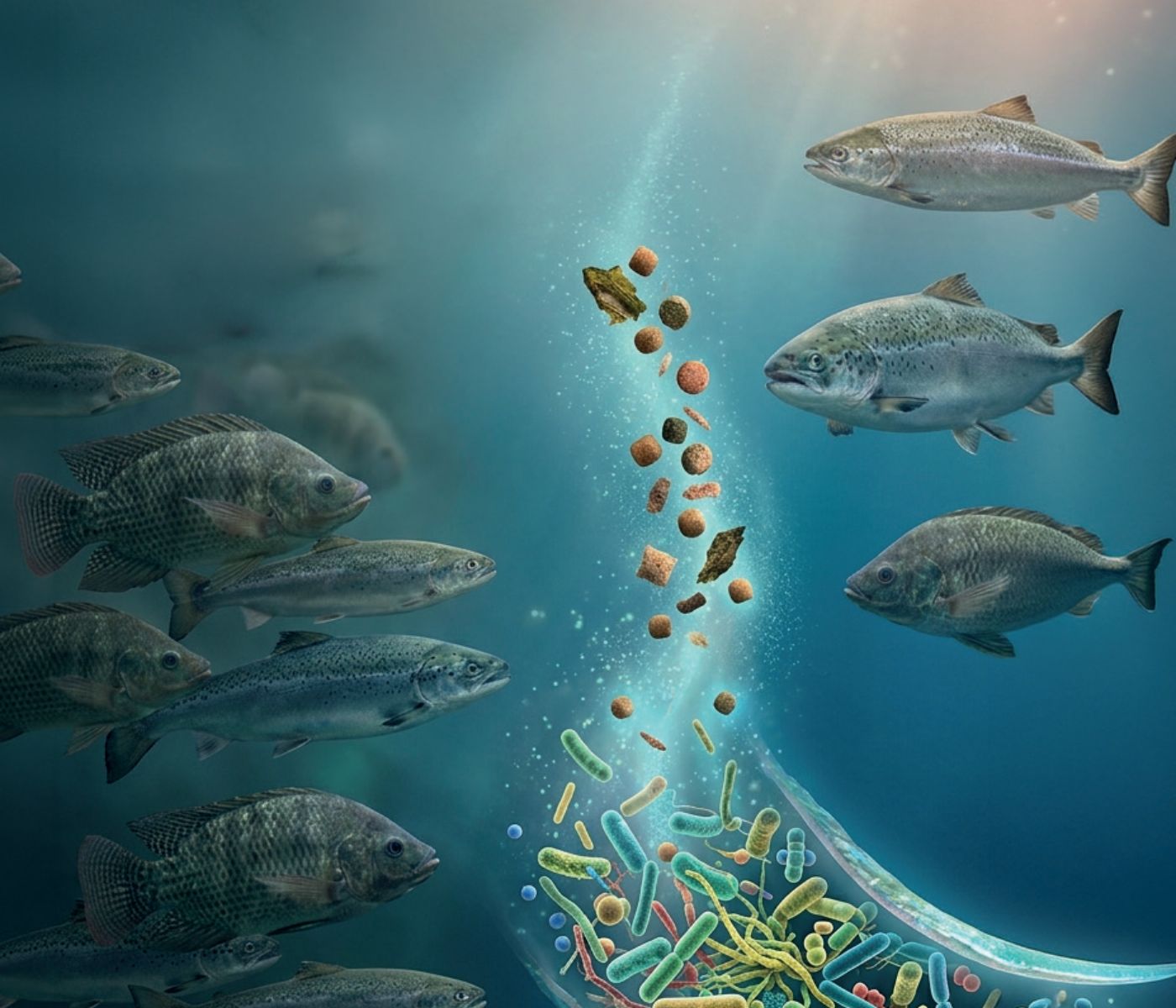
Probiotics are a group of Gram-positive bacteria, Gram-negative bacteria, yeast, bacteriophages, and unicellular algae used as feed supplements or to improve water quality for disease control using prophylactic and therapeutic applications. These microorganisms can either be mixed with feed ingredients to form pellets or be encapsulated and administered orally to promote a beneficial gut microbiome.
Probiotics are also added to culture systems to reduce organic loads in water and enhance the growth of essential microbial flora. Beneficial microbial communities have been observed to enhance the growth of inhibitory substances that reduce host-pathogen interactions.
Prebiotics are non-digestible compounds such as carbohydrates, certain proteins, peptides, and lipids that stimulate beneficial microbial activities in the gut of aquatic organisms to boost growth, stress resistance, and improve immune responses. Similarly, these feed supplements improve non-specific immune responses by modifying the activities of microbes in the gastrointestinal tract.
Fermentation of prebiotics, such as inulin (a prebiotic oligosaccharide), usually takes place in the GI tract of aquatic organisms, promoting the growth of beneficial bacterial communities for the proper functioning of the colon.
Synbiotics are a combination of prebiotic and probiotic compounds, essentially for improved growth, better feed utilization, increase disease resistance by promoting efficient immune responses in aquaculture organisms. These compounds can either be administered orally as feed supplements or by external bath in culture systems. Research has shown that the administration of synbiotics significantly improved the survival of rainbow trout and was attributed to the immune response and anti-stress benefits.
These supplements have also been observed to improve digestive enzyme activities, increasing nutrient absorption, resulting in improved growth.
LIMITATIONS
Despite the benefits of incorporating prebiotics, probiotics, and synbiotics, there are notable challenges to the full utilization of these compounds as alternatives to antibiotics.
There is a notable information gap in their mode of operations, and this can be a limiting factor for their application in aquaculture. In human medicine, there have been several side effects associated with the application of these supplements.
Reports have shown that a phenomenon called “bacteremia” occurs in susceptible individuals where bacteria in probiotics cause some other opportunistic infections, such as skin lesions, although there is no scientific evidence of such incidents in aquaculture. Some probiotics are best administered through inoculation, and this can be a very difficult technique, especially in very small aquatic organisms.
In the absence of pathogens, probiotics might not provide the desired outcome. Furthermore, the application of these supplements can be hindered by chemicals or drugs present in the culture system, which may interfere with the establishment of beneficial microbial communities.
CONCLUSION
There is an increasing application of probiotics, prebiotics, and synbiotics in aquaculture nutrition to enhance growth and improve disease resistance in farmed animals.
These compounds play significant roles in improving feed conversion, nutrient utilization, immune response, and disease resistance of aquaculture species. They have been observed to improve survival, act as an anti-stress agent, as well as immunostimulants in several fish species. Probiotics, prebiotics, and synbiotics provide a relatively cheap and effective alternative to the use of antibiotics in fish disease treatment.
However, there are a significant number of limitations that hinder the full utilization of these compounds. Therefore, it is important to conduct more research on its application to aquaculture nutrition as a possible biological replacement for the use of antibiotics.
🔒 Contenido exclusivo para usuarios registrados.
Regístrate gratis para acceder a este post y a muchos más contenidos especializados. Solo te llevará un minuto y tendrás acceso inmediato.
Iniciar sesiónRegístrate en nutriNews
REGISTRARME